operational challenges
3 stories filed under operational challenges on Beyond Market Intelligence. The newest of them: “When AI Agents Act Autonomously, Five Governance Gaps Emerge”, “Agentic AI Demands Smarter Governance to Tame Silent Failures”, and “From Prompts to Platforms: Building the Infrastructure for Production AI”. When AI agents start acting on their own, five governance gaps appear. Agentic AI systems don't fail loudly, they drift silently. Acme AI is the next-generation, AI-powered spreadsheet platform built to replace Excel and redefine how analysts, data scientists, and enterprise teams work… The list below is every operational challenges story on Beyond Market Intelligence, newest first.
When AI Agents Act Autonomously, Five Governance Gaps Emerge
When AI agents start acting on their own, five governance gaps appear. Unmanaged access, identity sprawl, and approval bottlenecks are just the beginning. Manual oversight can't keep pace. We've covered related challenges recently, like how Uber's framework keeps autonomous AI agents secure and context-aware. Those lessons point to the same truth: governance must evolve alongside agency. The tools we trusted for static data won't hold when data starts acting.
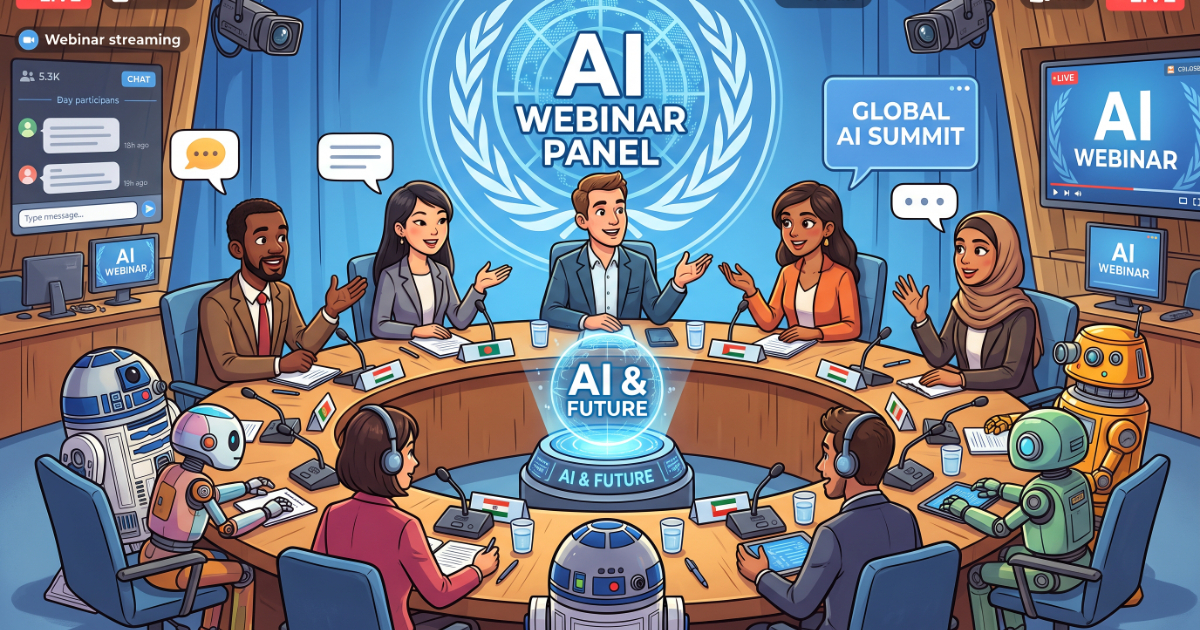
Agentic AI Demands Smarter Governance to Tame Silent Failures
Agentic AI systems don't fail loudly, they drift silently. A recent InfoQ webinar highlighted how semantic and embedding drift can quietly produce costly errors. The solution demands smarter governance, not just better models. Automated code reviews, continuous model evaluation, and stronger privacy measures were called essential. This is a strategic challenge, not a technical patch. For a deeper look at keeping AI systems adaptable over time, see our related piece, "Design for Change: Keep Software Evolvable as Teams and Technology Shift."
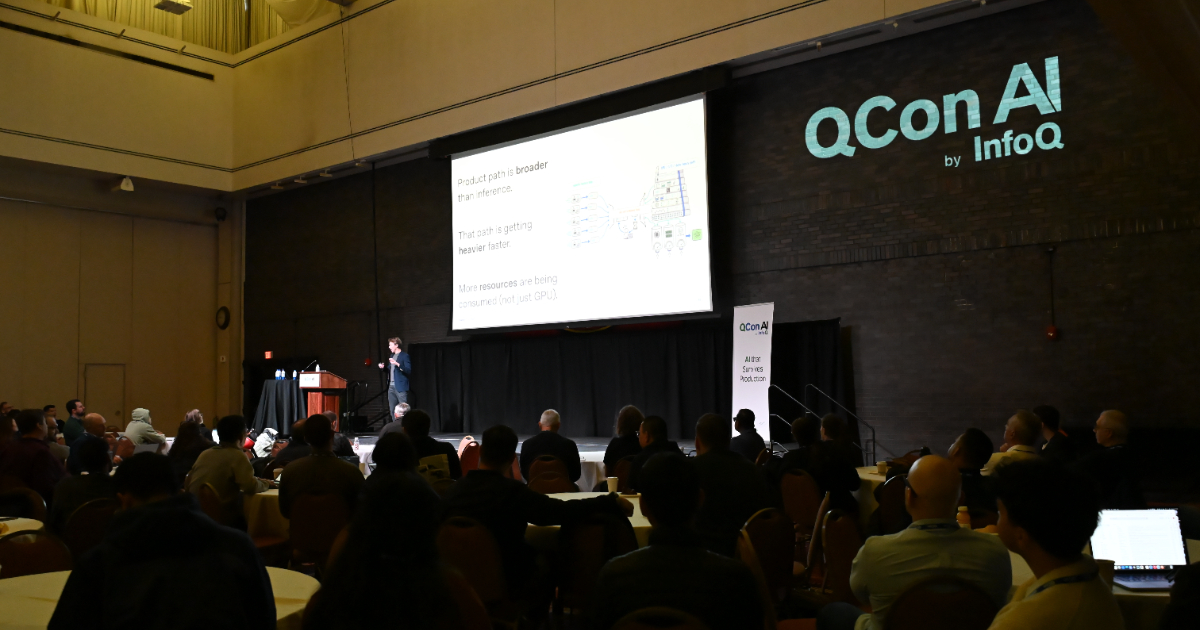
From Prompts to Platforms: Building the Infrastructure for Production AI
The operational reality of AI agents is finally taking center stage, and QCon AI Boston 2026 is where that conversation sharpens. The focus has shifted from what prompts can do to how we build dependable systems around them. We're talking about serious infrastructure: managing context effectively and wrapping agents in a security harness that keeps them safe in production. This is the unglamorous, essential work of making AI actually usable.