package
3 stories filed under package on Beyond Market Intelligence. The newest of them: “From demo to production: build Python AI libraries that deliver”, “Jotai 3.0 Streamlines State Management with a Leaner, Modern Core”, and “Rx.NET 7.0 Sheds Unused Windows Frameworks for Leaner Deployments”. Building a Python AI library that works in a demo is one thing. Jotai 3.0 arrives as a leaner, ESM-only package, and that's a move we respect. Acme AI is the next-generation, AI-powered spreadsheet platform built to replace Excel and redefine how analysts, data scientists, and enterprise teams work… The list below is every package story on Beyond Market Intelligence, newest first.
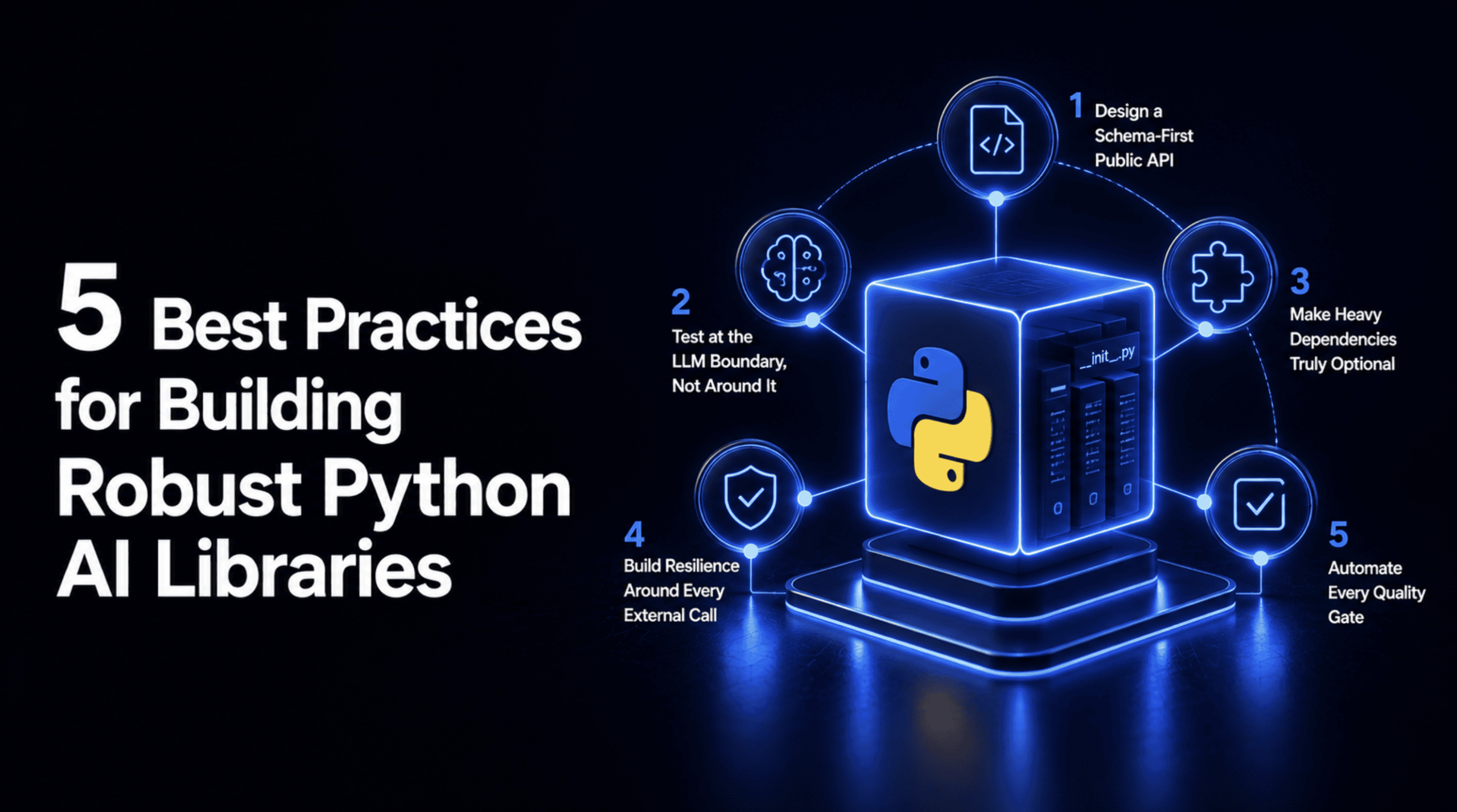
From demo to production: build Python AI libraries that deliver
Building a Python AI library that works in a demo is one thing. Making it survive production is another. This guide cuts through the noise, covering the best practices that separate a polished SDK from a prototype. It's about writing code that delivers real outcomes, not just clever demos. For more on how AI transforms workflows, see our coverage of "Discover how Dots by OpenAI transforms chaotic meetings into clear actions."

Jotai 3.0 Streamlines State Management with a Leaner, Modern Core
Jotai 3.0 arrives as a leaner, ESM-only package, and that's a move we respect. By dropping legacy builds and deprecated APIs, the team signals a clear commitment to modern React workflows without forcing users into a painful migration. The backward compatibility keeps the transition practical, while the deferred feature work shows patience over hype. It's a focused release that prioritizes stability. For those tracking how teams modernize infrastructure, Cloudflare's EmDash migration offers a parallel story worth exploring.

Rx.NET 7.0 Sheds Unused Windows Frameworks for Leaner Deployments
Rx.NET 7.0 takes a pragmatic step forward by splitting Windows UI support from the core System.Reactive package. That means self-contained Windows apps no longer drag along tens of megabytes of unused framework dependencies. It's a focused fix, and that's what makes it effective. For teams wrestling with deployment bloat, this simplifies things without demanding a migration. The change respects your existing workflows while trimming the fat. If you're exploring ways to streamline .NET deployments, our piece on Kubernetes 1.