patterns
patterns at Beyond Market Intelligence is a file of 10 stories. The newest of them: “Six Architectural Patterns for Scaling Reliable AI Agents”, “Designing AI Agent Guardrails: Essential Patterns for Data Engineers”, and “Unlock Advanced RAG: 6 Architectures for Semantic Search & LLMs”. Reactive loops are fine for demos, but production demands more. AI agents don't fail because the model isn't smart enough. Acme AI is the next-generation, AI-powered spreadsheet platform built to replace Excel and redefine how analysts, data scientists, and enterprise teams work… The list below is every patterns story on Beyond Market Intelligence, newest first.
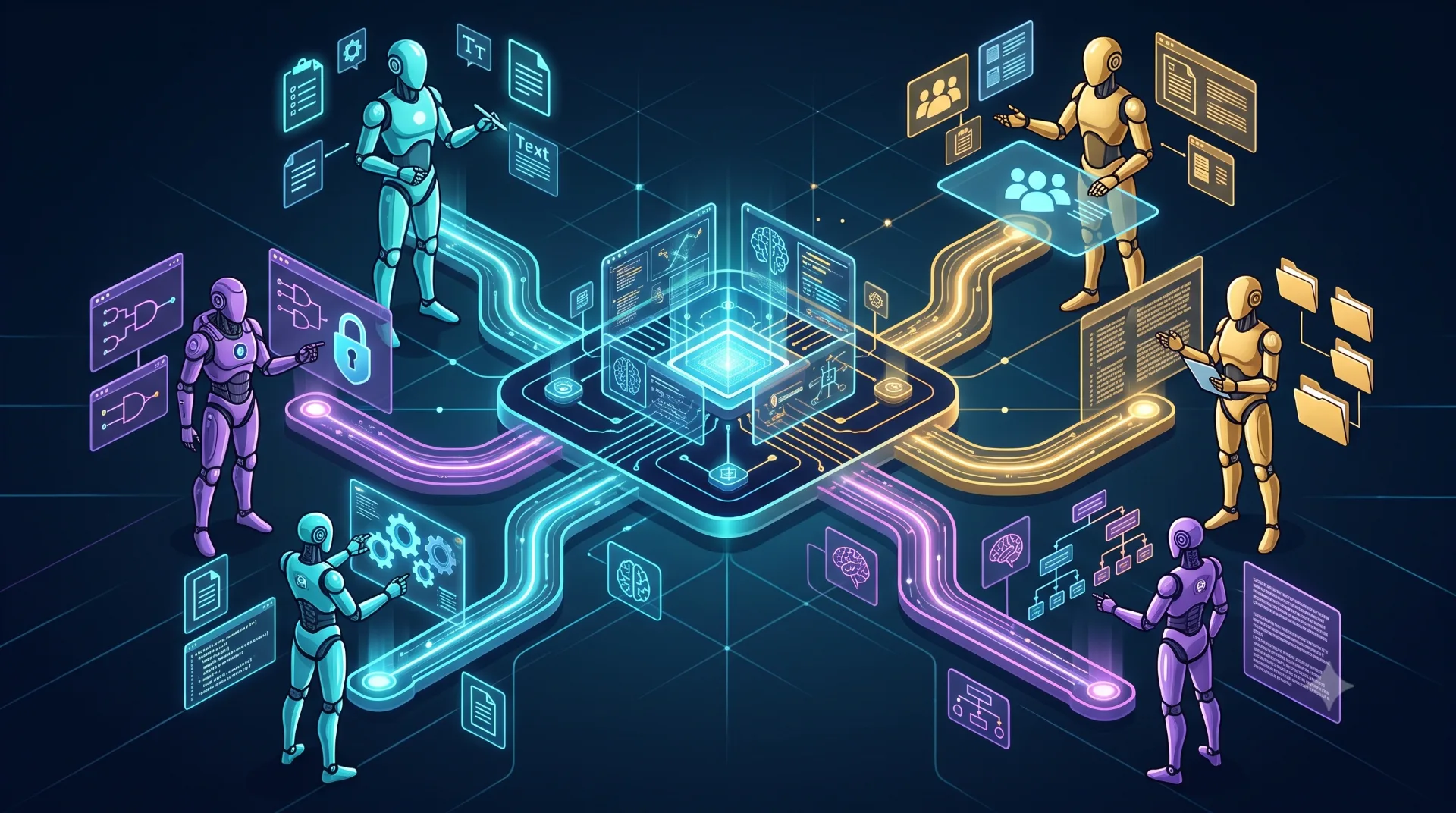
Six Architectural Patterns for Scaling Reliable AI Agents
Reactive loops are fine for demos, but production demands more. This guide walks through six architectural patterns that actually scale, moving beyond basic ReAct into autonomous, reliable systems built for real-world use. It's the kind of practical thinking that turns prototypes into products. For deeper context, our related piece on the hidden instability beneath LLM temperature zero explains why even deterministic settings can fracture after a hundred completions, a problem these architectures are designed to solve.

Designing AI Agent Guardrails: Essential Patterns for Data Engineers
AI agents don't fail because the model isn't smart enough. They fail because the architecture around them lacks boundaries. Essential guardrails data engineers need to build systems that stay safe, predictable, and useful as AI takes on more responsibility are laid out here. It's a practical, no-nonsense guide for teams ready to move beyond experimentation. If you're designing these systems, this is the pattern to study.
Unlock Advanced RAG: 6 Architectures for Semantic Search & LLMs
Basic graph retrieval only gets you so far. This guide walks through six production-oriented architectures that pair semantic search with knowledge graphs and LLM reasoning, giving practitioners a practical route beyond simple vector lookups. It's a grounded, no-nonsense read for teams ready to move past toy demos. For a deeper look at how LLMs handle structure internally, pair it with our piece on paragraph structure and token space. The ideas complement each other well.

Move beyond basic RAG with four knowledge graph patterns for agentic AI.
Knowledge graphs are moving from the background to the backbone of agentic AI, and Cassie Shum is here to show you why. In her talk, she moves past basic retrieval to outline four practical architecture patterns that bring reasoning into production. It's a grounded, actionable look at building systems that don't just retrieve, but reason. For a broader perspective on how these ideas connect, our piece on bridging retrieval and action offers a useful parallel.

When AI writes code, verifying intent becomes the real challenge.
AI-generated code promises speed, but it also introduces security weaknesses and familiar bugs. The real bottleneck has shifted from writing code to verifying what AI actually produces, as Nitin Garg argues. He focuses on detecting when generated behavior diverges from intent, a practical concern for any team adopting these tools. It's a grounded look at a growing challenge. For those exploring similar territory, our guide on verifying AI understanding offers a useful complement.

What Hidden Gaps in Your Data Reveal About Your Assumptions
We often treat missing values as a glitch, a blank cell to be filled or dropped. But that silence carries its own message, hiding assumptions we rarely question. This piece on Towards Data Science digs into what we overlook when data goes unrecorded, challenging us to see absence as part of the story. It is a thoughtful, grounded read for anyone who has ever trusted a dataset too quickly.
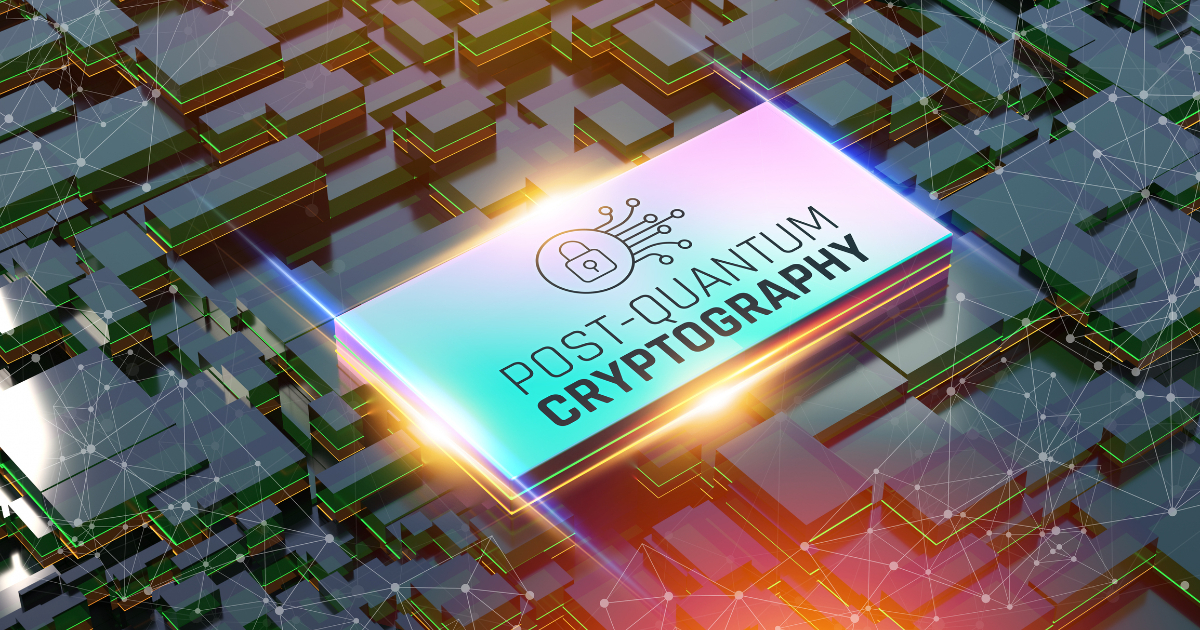
Future-Proof Your Spring Boot Services with Post-Quantum Crypto Patterns
The threat of Harvest Now, Decrypt Later is already here, and Pankaj Sharma's piece on post-quantum cryptography in Spring Boot cuts through the noise with four concrete patterns you can ship this sprint. Encrypting service payloads, locking database fields, securing long-lived documents, and moving tokens off RS256 are practical starting points. His warning is sharp: none of this is production-safe without KMS or Vault in place. It's a grounded, action-oriented guide for teams ready to future-proof their data. For broader infrastructure context, our Kubernetes 1.

Designing the dispatcher that makes agentic RAG workflows smarter
The dispatcher in an agentic RAG system isn't just a router; it's the judgment call that decides when to loop back for another retrieval and when to trust what's already in context. This piece from our series on enterprise document intelligence finally puts the patterns together, and it's a refreshingly clear look at why that decision is the real engine of reliability. If you're still wrestling with when your workflow should stop, this is the guide you've been waiting for.

Seven patterns to turn RAG extraction errors into honest answers
Calling a RAG mistake a "hallucination" misses what actually happened. If the model read the context and still got it wrong, that's an extraction error, not a creative invention. The piece breaks down seven typed-contract patterns that keep generation honest, plus a decomposition rule for smaller models. It's a sharper way to diagnose failures, and we're glad to see the framing. For a deeper look at how structure shapes model reasoning, "Exploring Paragraph Structure: How LLMs Navigate Token Space" pairs well with this analysis.
Peering into a single neuron to demystify how AI models truly see
Mechanistic interpretability rarely gets this granular. One researcher dove into a single 1x1 convolution neuron inside InceptionV1 and found something worth pausing on. By taking the Hadamard product of the receptive field and the neuron's weights, he could cluster exactly what that neuron detects. The clean clusters matched expectations: cars, cats, dogs. But the low-valued ones revealed the real story. Letters and faces triggered the neuron too, with dependent neurons firing in balanced positive and negative weights to keep the sum low. That's not noise.