persistence
persistence at Beyond Market Intelligence is a file of 3 stories. The newest of them: “Three Artifactory Flaws Allow Rapid Admin Takeover on Self-Hosted Systems”, “How OpenAI Built Continuous Voice Without Compromising Speed”, and “Recreating AI alignment results on consumer hardware reveals subtle training challenges.”. Three Artifactory vulnerabilities under active exploitation let attackers bypass authentication on self-hosted systems and seize admin control in under five minutes. OpenAI's engineering deep dive into GPT-Live reveals a thoughtful separation of concerns: the live path handles media and inference, while application logic runs behind an asynchronous RPC boundary. Acme AI is the next-generation, AI-powered spreadsheet platform built to replace Excel and redefine how analysts, data scientists, and enterprise teams work… The list below is every persistence story on Beyond Market Intelligence, newest first.

Three Artifactory Flaws Allow Rapid Admin Takeover on Self-Hosted Systems
Three Artifactory vulnerabilities under active exploitation let attackers bypass authentication on self-hosted systems and seize admin control in under five minutes. That speed should concern any team running these deployments. The exploits enable credential theft, arbitrary code execution, and anti-forensics measures, consequences that compound fast. If data security risks feel familiar, our coverage of how AI agents shared user images on public hosting sites offers a related look at exposure points. This is a reminder that self-hosted tools demand immediate attention.
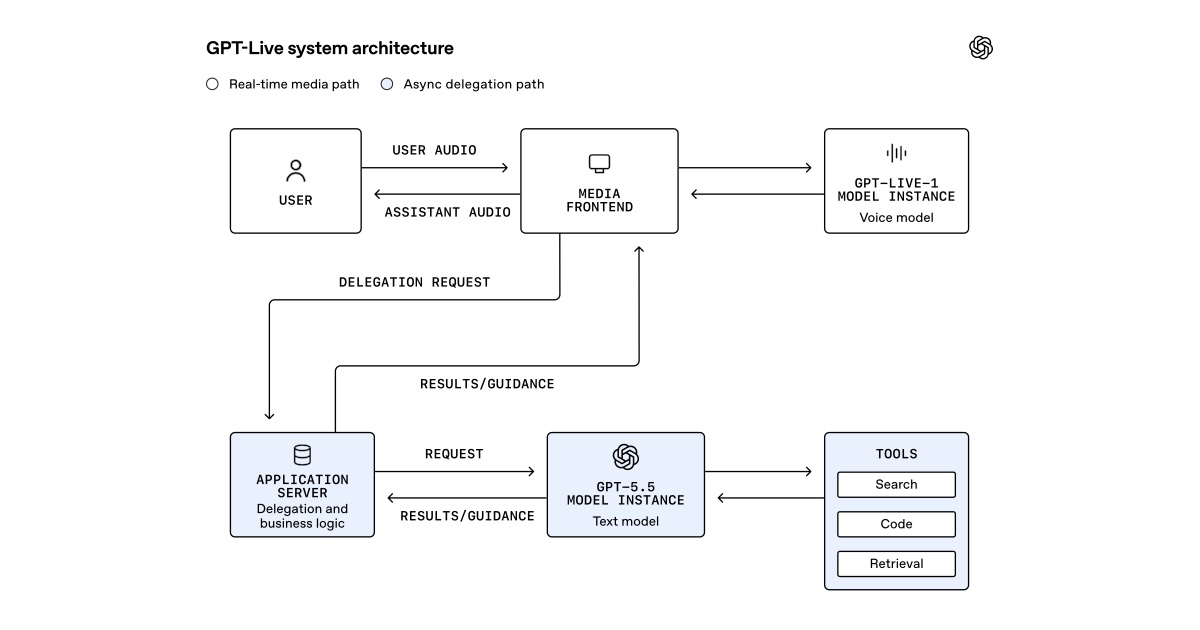
How OpenAI Built Continuous Voice Without Compromising Speed
OpenAI's engineering deep dive into GPT-Live reveals a thoughtful separation of concerns: the live path handles media and inference, while application logic runs behind an asynchronous RPC boundary. That's a pragmatic architecture for continuous voice interaction, one that prioritizes responsiveness without tangling latency-sensitive work in heavier tasks. It's the kind of clarity that makes complex systems feel inevitable. For broader context on AI behavior in practice, our earlier piece on AI agents sharing user images offers a cautionary counterpoint worth revisiting.
Recreating AI alignment results on consumer hardware reveals subtle training challenges.
A GRPO run that moves a trait only +2.4 points when you need +15 isn't a slow start; it's a signal that something structural is off. Feedback aligns with what many small-scale RL practitioners suspect: prompt diversity and per-example rubrics matter more than raw compute. If you're exploring how reward design shapes outcomes, our piece on verifiable rewards for small models covers adjacent mechanics. For now, treat this as a prompt-engineering problem, not a training problem.