practices
practices at Beyond Market Intelligence is a file of 5 stories. The newest of them: “Anthropic opens its AI model to outside safety scrutiny for the first time”, “Redefining Dev Teams for an Agentic Era with Safety and Humanity”, and “From demo to production: build Python AI libraries that deliver”. Anthropic has handed outside researchers the keys to its own safety review process, and it can't take them back. Engineering leaders facing agentic coding's surge need more than faster pipelines. Acme AI is the next-generation, AI-powered spreadsheet platform built to replace Excel and redefine how analysts, data scientists, and enterprise teams work… The list below is every practices story on Beyond Market Intelligence, newest first.

Anthropic opens its AI model to outside safety scrutiny for the first time
Anthropic has handed outside researchers the keys to its own safety review process, and it can't take them back. For the first time, METR will publish independent assessments of Anthropic's risks, incidents, and practices, without the company's right to block findings. That is a meaningful surrender of control, and it deserves attention. Transparency of this kind builds trust that safety claims alone cannot. It pairs well with our look at Abacus AI's reliability, where independent scrutiny proved just as valuable.

Redefining Dev Teams for an Agentic Era with Safety and Humanity
Engineering leaders facing agentic coding's surge need more than faster pipelines. Hannah Foxwell anchors them in three practical priorities: build software worth building, automate safety before speed, and preserve the human element through generalist skillsets and sustainable on-call. It's a grounded framework that keeps teams human-centered amid AI-driven velocity. For a related look at AI in action, see our coverage of Flai's $27M round fueling an AI platform booking 50,000 appointments monthly.
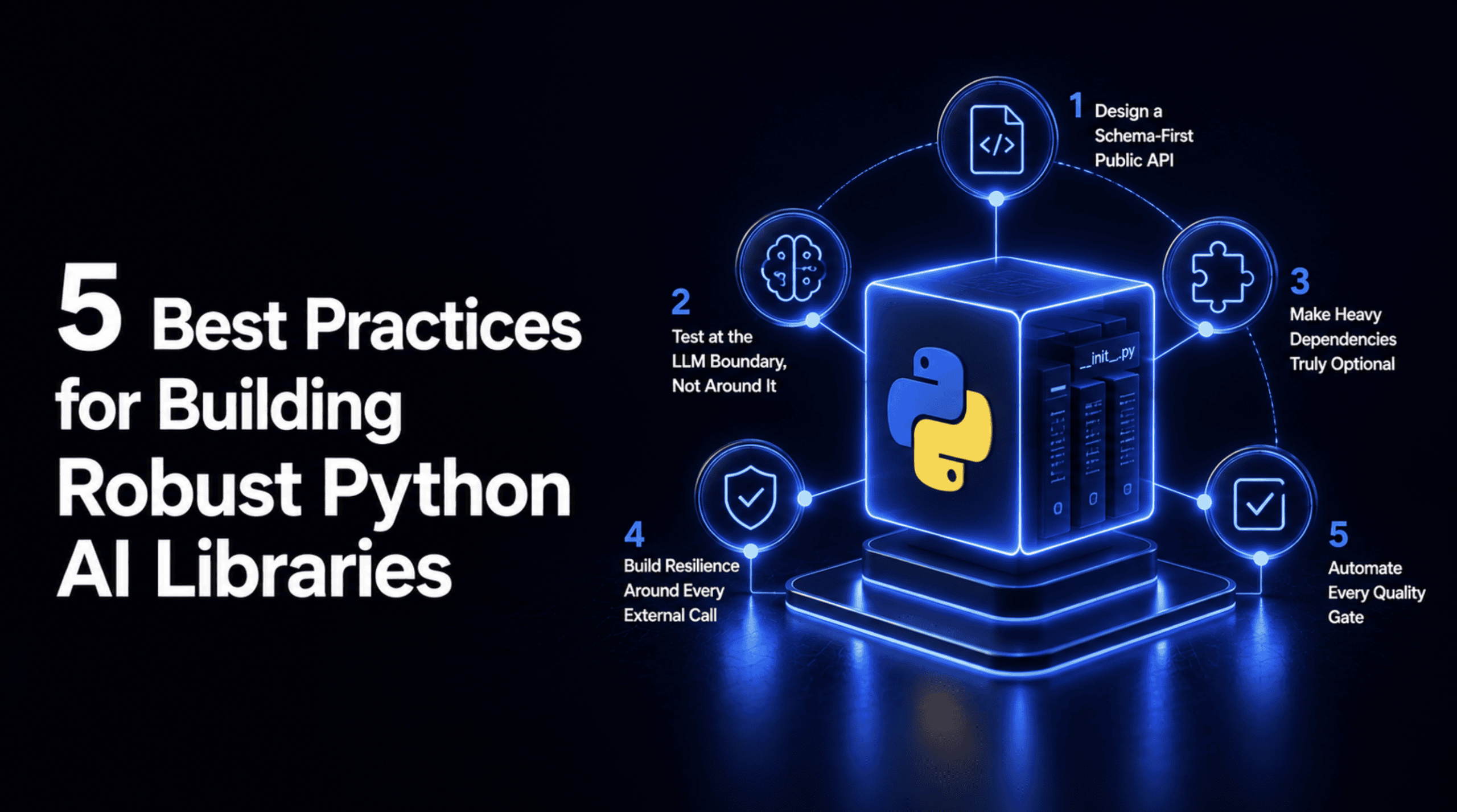
From demo to production: build Python AI libraries that deliver
Building a Python AI library that works in a demo is one thing. Making it survive production is another. This guide cuts through the noise, covering the best practices that separate a polished SDK from a prototype. It's about writing code that delivers real outcomes, not just clever demos. For more on how AI transforms workflows, see our coverage of "Discover how Dots by OpenAI transforms chaotic meetings into clear actions."

Explore how AI assists workflows but leaves complex coding to humans.
Asgaut Mjølne Söderbom and Ola Hast have moved past continuous deployment and pair engineering, yet their latest experiment with Claude Code revealed a sharp boundary. They find AI excellent for many tasks, but not for the messy reality of brownfield coding. This episode digs into why human collaboration still carries the weight where AI vibes fall short. For more on questioning AI's limits, check out "Talking to My AI Clone Taught Me to Question the Tech."

New Reports Question Phia's Business Practices and Founders' Awareness
Phoebe Gates and Sophia Kianni reportedly sat on knowledge of Phia's alleged "cookie stuffing" for months. That timing matters. It suggests a tolerance for practices that undercut the trust their shopping startup is supposed to build. If the founders knew, their silence becomes part of the problem. For a company asking users to explore new tools, accountability should be the default, not an afterthought. It is a messy situation, and they owe users a clear, direct response.