production deployment
7 stories filed under production deployment on Beyond Market Intelligence. The newest of them: “Agentic AI Demands Smarter Governance to Tame Silent Failures”, “From Agent Logic to Scale: Five Essential Tools for Production AI”, and “Why stakeholders expect zero errors from models designed to improve decisions”. Agentic AI systems don't fail loudly, they drift silently. Building an AI agent is one thing; running it reliably in production is another. Acme AI is the next-generation, AI-powered spreadsheet platform built to replace Excel and redefine how analysts, data scientists, and enterprise teams work… The list below is every production deployment story on Beyond Market Intelligence, newest first.
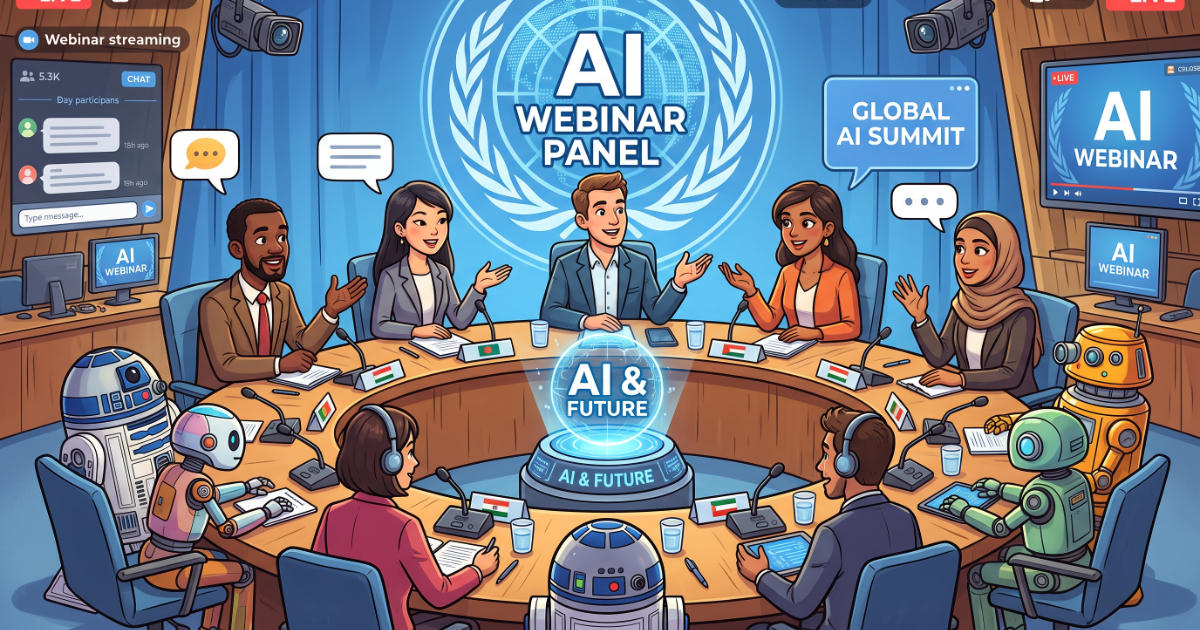
Agentic AI Demands Smarter Governance to Tame Silent Failures
Agentic AI systems don't fail loudly, they drift silently. A recent InfoQ webinar highlighted how semantic and embedding drift can quietly produce costly errors. The solution demands smarter governance, not just better models. Automated code reviews, continuous model evaluation, and stronger privacy measures were called essential. This is a strategic challenge, not a technical patch. For a deeper look at keeping AI systems adaptable over time, see our related piece, "Design for Change: Keep Software Evolvable as Teams and Technology Shift."
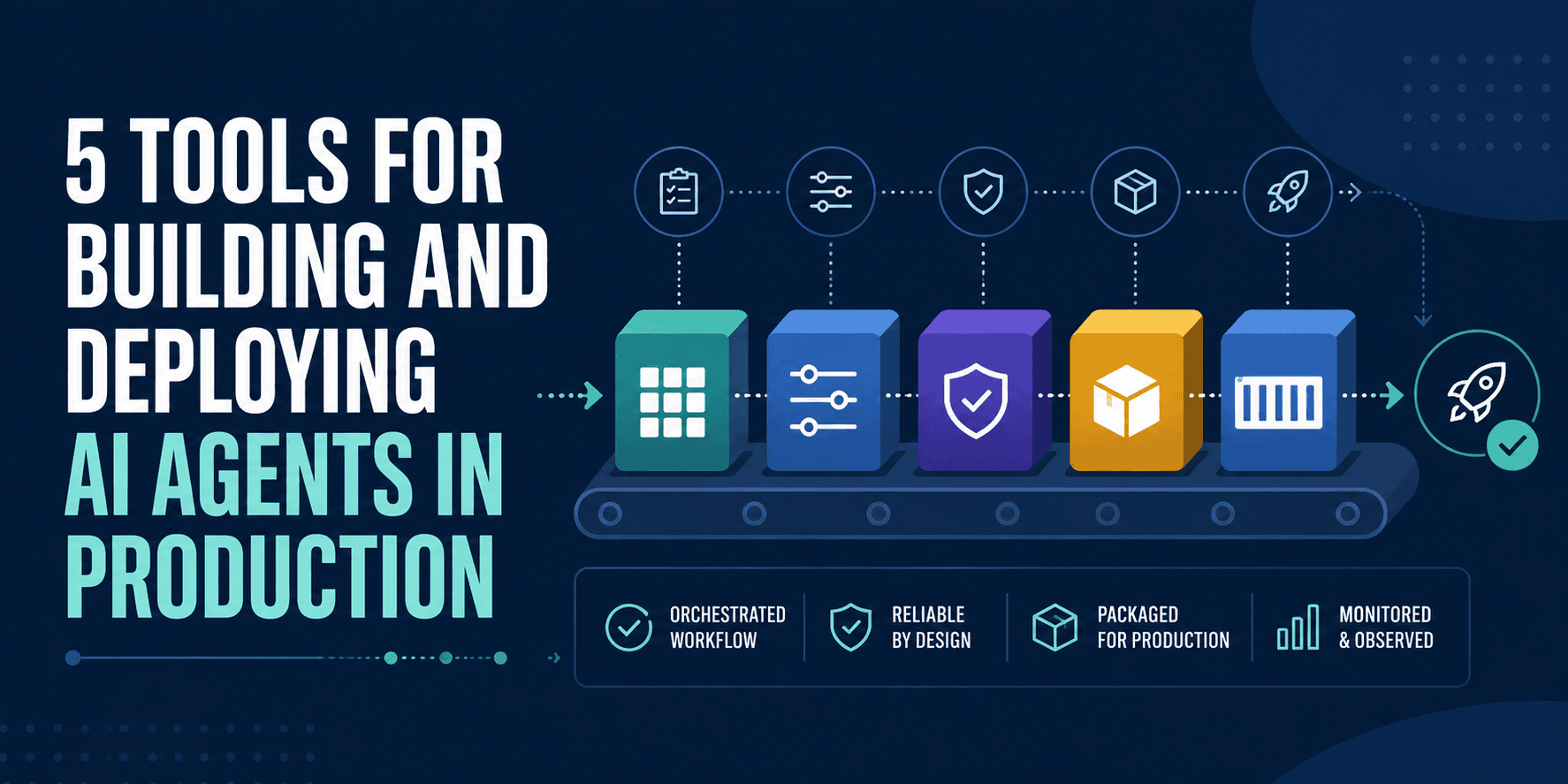
From Agent Logic to Scale: Five Essential Tools for Production AI
Building an AI agent is one thing; running it reliably in production is another. This guide breaks down five tools, each tackling a specific layer of the stack, from shaping the agent's core logic to scaling it under real-world pressure. It's a practical, no-nonsense walkthrough for teams ready to move beyond experimentation. If you're still questioning how much trust to place in these systems, our piece on talking to an AI clone offers a timely counterpoint worth exploring.
Why stakeholders expect zero errors from models designed to improve decisions
There's a moment every data scientist knows well: the model performs safely in validation, stakeholders sign off, and then one wrong call triggers a cross-examination. It's frustrating, but it's also revealing. The expectation of a 0% error rate isn't about math; it's about trust and how we frame machine learning's limits. We never promised perfection, yet we often present models as if they're infallible. That mismatch is worth examining.

Why AI pipelines stumble and how DataFlow-Harness restores their power
AI coding agents write clean one-off scripts, but hand them a full data pipeline and the output often falls apart. That gap between free-form code and production-ready workflows is real, and researchers are finally attacking it. DataFlow-Harness, an open-source framework from Peking University and collaborators, steers LLMs toward structured, visual pipeline graphs instead of disposable scripts. The results speak for themselves: a 93.3% pass rate, 72.5% lower API costs, and pipelines engineers can actually audit.

Your AI agent passed your tests. Then it failed your customer.
Enterprise AI is granting agents more autonomy than the evaluations meant to govern it can support. Half of organizations have shipped an agent that passed internal tests, then failed a customer. Only 5% fully trust the automated evaluations in use today. The most-cited weakness: evaluations align poorly with real-world outcomes. Yet two-thirds are already deploying on automated results alone, or engineering toward it. That gap between autonomy and assurance is where failures scale.
Your AI agents are passing tests but failing customers
Enterprise AI is granting agents more autonomy than the evaluations meant to govern them can support. Half of organizations have shipped an agent that passed internal tests, then failed a customer. Only 5% fully trust automated evaluation today. Yet two-thirds are moving toward zero-human deployment. That gap between trust and autonomy is the defining tension, and the market is responding. Tooling is fragmented, investment is shifting toward human review, and the next year will show whether assurance catches up to ambition.

Why enterprise AI agents stall at deployment, not capability
At VB Transform 2026, Bryan Silverthorn from Amazon made a pointed case: enterprise AI agents aren't failing because they're not smart enough. They're failing because they're not reliable enough. With 85% of companies piloting agents but only 5% shipping them, the gap is a measurement problem, not a model problem. His "intern" framework is a refreshingly human lens on managing autonomous systems. It's practical advice for escaping pilot purgatory. For more on scaling these workflows, see our piece on orchestrating AI agents with Google's AX.