production-ready
3 stories filed under production-ready on Beyond Market Intelligence. The newest of them: “From demo to production: build Python AI libraries that deliver”, “Turn Data Science Concepts into Deployable Workflows with Grok Build”, and “From Agent to Interface: Building a Production-Ready UI for LangGraph”. Building a Python AI library that works in a demo is one thing. Building a full data science project from scratch can feel overwhelming, but Grok Build and Grok 4.6 turn that chaos into a clear path. Acme AI is the next-generation, AI-powered spreadsheet platform built to replace Excel and redefine how analysts, data scientists, and enterprise teams work… The list below is every production-ready story on Beyond Market Intelligence, newest first.
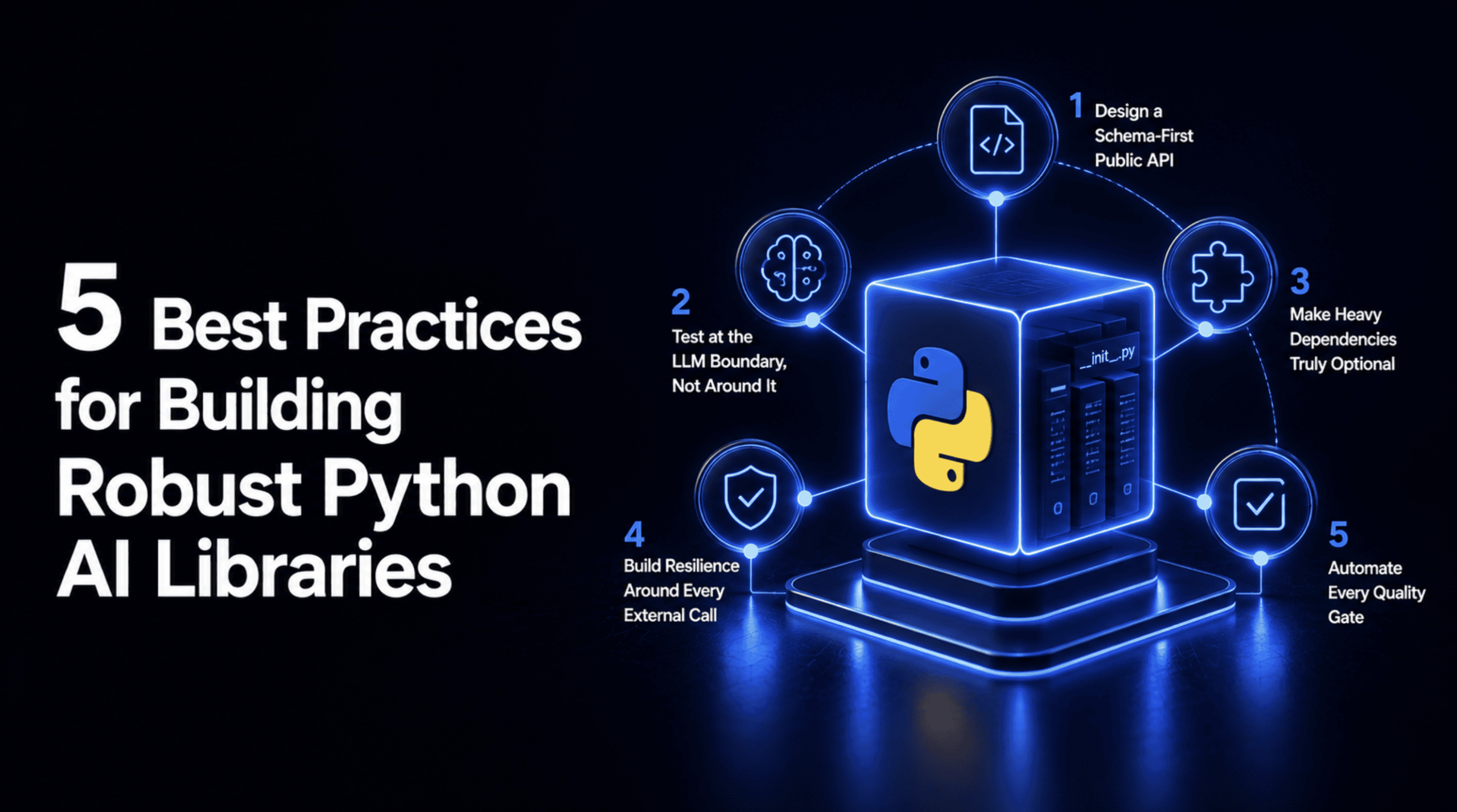
From demo to production: build Python AI libraries that deliver
Building a Python AI library that works in a demo is one thing. Making it survive production is another. This guide cuts through the noise, covering the best practices that separate a polished SDK from a prototype. It's about writing code that delivers real outcomes, not just clever demos. For more on how AI transforms workflows, see our coverage of "Discover how Dots by OpenAI transforms chaotic meetings into clear actions."
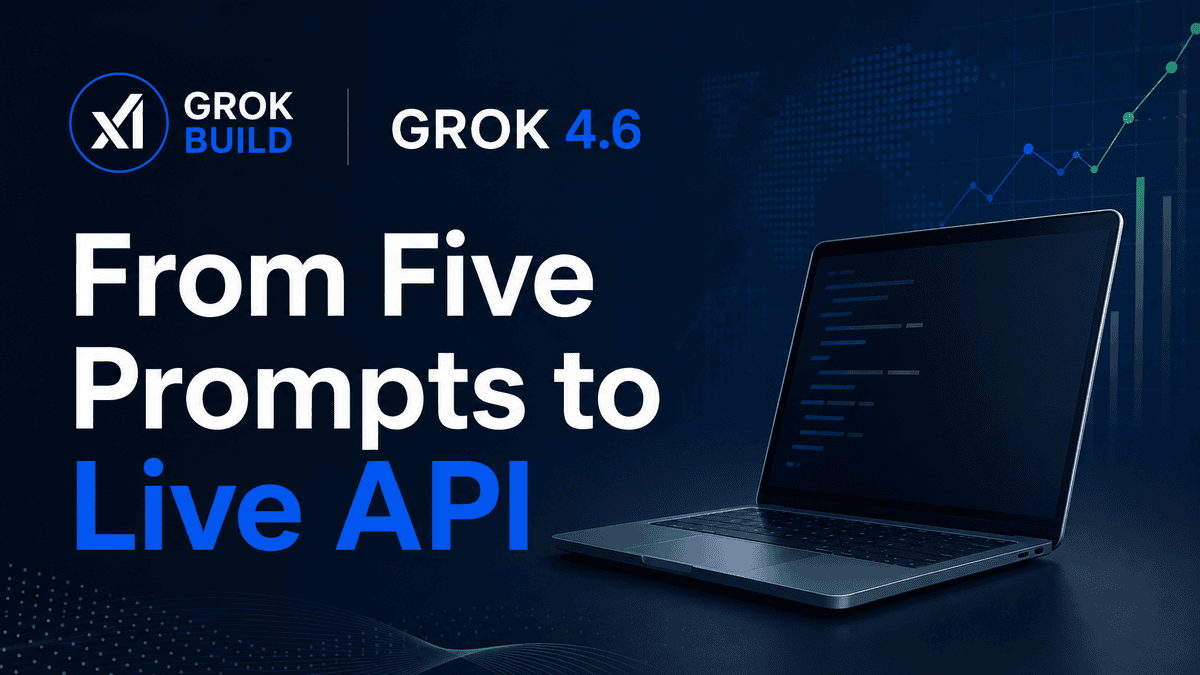
Turn Data Science Concepts into Deployable Workflows with Grok Build
Building a full data science project from scratch can feel overwhelming, but Grok Build and Grok 4.6 turn that chaos into a clear path. You'll move from exploratory analysis to scikit-learn models, then wrap it all in a FastAPI service, test it, and push it to the cloud. It's production-ready, not just a notebook experiment. For those wrestling with how AI models actually scale, our guide on distributed training algorithms pairs well with this workflow.

From Agent to Interface: Building a Production-Ready UI for LangGraph
Building a production-ready interface for a stateful LangGraph agent sounds like a step toward making AI tools genuinely practical. Creating a Streamlit UI matters because a powerful agent is only useful if people can actually interact with it. The focus here is on accessibility, turning complex backend logic into something approachable. It is a reminder that thoughtful design carries equal weight to the technology underneath.