publishing
Beyond Market Intelligence keeps publishing in one place: 9 stories so far. The section currently leads with “Technical reports as PhD currency: weighing their weight against a first-author paper”, “Format Your TDS Draft with Clarity and Confidence”, and “How AI quietly reshaped a third of the modern web”. The question of how tech reports factor into a PhD application is one that deserves a clear-eyed answer. Formatting a draft shouldn't feel like a puzzle. Acme AI is the next-generation, AI-powered spreadsheet platform built to replace Excel and redefine how analysts, data scientists, and enterprise teams work… The list below is every publishing story on Beyond Market Intelligence, newest first.
Technical reports as PhD currency: weighing their weight against a first-author paper
The question of how tech reports factor into a PhD application is one that deserves a clear-eyed answer. In your case, we're talking about substantial documentation of a large model's capabilities, not a preprint. This is a meaningful distinction. From our perspective, a first-author A* paper remains the gold standard for demonstrating research aptitude. A tech report, while valuable, typically showcases engineering and system-building skills. It's a different currency, and its value depends heavily on the lab and the advisor's focus.

Format Your TDS Draft with Clarity and Confidence
Formatting a draft shouldn't feel like a puzzle. Our updated guide walks you through the Contributor Portal step by step, so you can focus on the ideas that matter. We've stripped away the guesswork, offering clear, practical direction that fits how you actually work. Whether you're revising an old piece or starting fresh, this guide helps you move from raw text to polished submission with less friction. It's about making the process as straightforward as the thinking behind it.

How AI quietly reshaped a third of the modern web
A third of web pages published since ChatGPT's launch now show signs of AI authorship. That's a striking signal about how quickly synthetic content has woven itself into the web's fabric. It raises a pressing question: how do we keep our data meaningful when machines are editing so much of what we read? This isn't about shaming the tools; it's about staying clear-eyed.
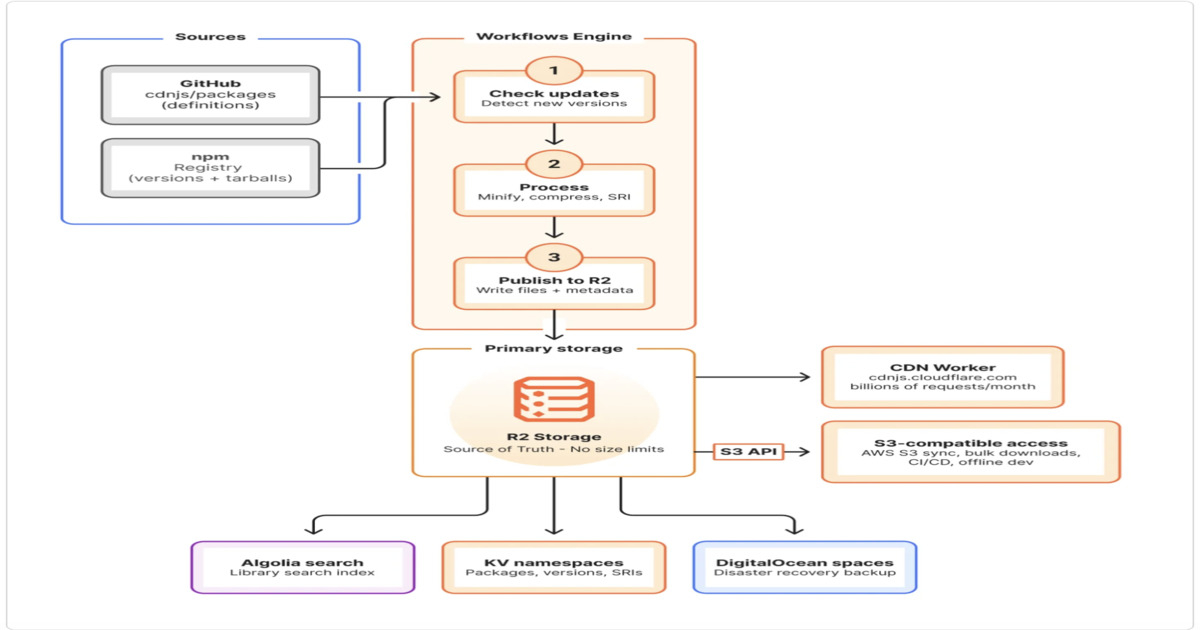
Cloudflare moves 9 billion daily CDN requests to its developer platform
Cloudflare has moved cdnjs, its open source CDN for JavaScript and CSS libraries, onto its Developer Platform, and the scale is striking: 9 billion requests a day now run on Workers, R2, KV, Workflows, Queues, Durable Objects, and Containers. That's not just a hosting swap; it's a consolidation of publishing and delivery into one architecture, all while keeping URLs and SRI hashes intact. For teams wrestling with legacy tools, this shows what's possible when infrastructure steps forward. Curious about similar migration thinking?

Uno Platform 6.6 Delivers Native AOT and Vulkan Across Five Targets
Uno Platform 6.6 lands with Native AOT publishing across five targets, an optional Vulkan backend, and automatic registration for its Model Context Protocol servers. That last piece matters: it quietly aligns the framework with the broader push toward agent-ready workflows, a theme we explore in our coverage of scaling AI deployments. The reduced XAML boilerplate and expanded WinUI coverage lower the barrier for cross-platform work, while accessibility and multilingual improvements keep the human element central.
When Your Manuscript Stays With Editor But the Date Keeps Changing
A status date change with no shift in visible status can feel like a dead end, especially after months of waiting. For this researcher, the timeline at Pattern Recognition is clear: submitted in late May, revised in July, and still parked at "With Editor" weeks later. It's a common quirk in Editorial Manager, often signaling internal activity like reassignment or a pending review invitation. The wait is frustrating, but not alarming. For those navigating similar uncertainty, our guide on structured problem-solving offers a useful lens.
The quiet cost of AI content and what it means for data clarity
We've all seen the flood of AI-generated content, but the real issue isn't the slop itself, it's the quiet erosion of trust in what we read. In a revealing interview, Substack's CEO gets candid about how this deluge challenges platforms and readers alike. It's a conversation that deserves more attention, especially as we navigate what's real.

Fake Steam games lead to FBI arrest for draining crypto wallets
The FBI's arrest of 21-year-old Zyaire Wilkins sends a clear signal about the evolving tactics of digital theft. Prosecutors say Wilkins published fake video games on Steam, embedding malware that drained cryptocurrency from thousands of unwitting victims. It's a reminder that even familiar platforms can become attack vectors. This case also highlights how cybercriminals adapt faster than traditional defenses. For a deeper look at how data compromises are shaking federal agencies, our related piece on the FBI data breach offers useful context.
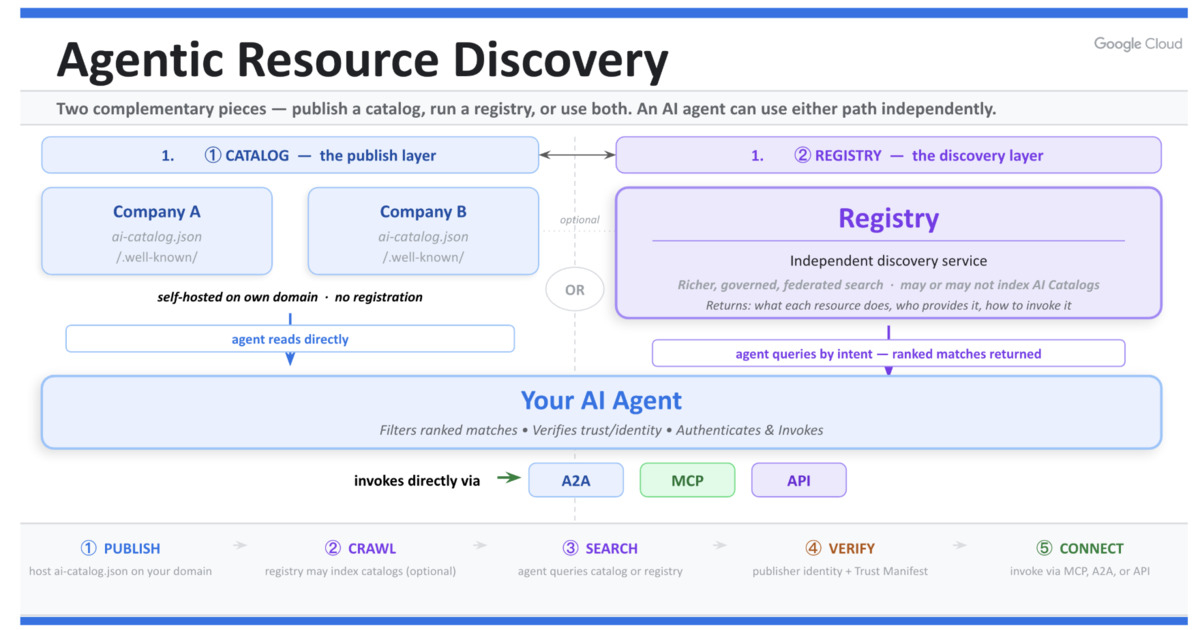
Explore how ARD makes AI tools discoverable and trustworthy.
The Agentic Resource Discovery Specification tackles a problem that has quietly slowed AI progress: tools and agents remain hard to find. Google and its partners are introducing an open standard built on catalogs and registries, which enables dynamic discovery while leaning on existing protocols like MCP and OpenAPI for execution. It is a practical move toward trust and interoperability. If you are still mapping out how MCP fits into your workflow, our visual guide to unlocking MCP is worth a look.