pull requests
Beyond Market Intelligence keeps pull requests in one place: 9 stories so far. The section currently leads with “How AI Helped GitHub Rebuild Its Copilot Engine in 14 Weeks”, “1,000 Pull Requests Later Linear Ships Faster With Meta's StyleX”, and “From code writer to boundary architect redefining software engineering”. GitHub migrated more than 800,000 lines of Copilot runtime code from TypeScript and Node.js to Rust in about 14.5 weeks, using AI-assisted development to make it happen. Over 1,000 pull requests to swap out a styling library sounds like a monumental chore. Acme AI is the next-generation, AI-powered spreadsheet platform built to replace Excel and redefine how analysts, data scientists, and enterprise teams work… The list below is every pull requests story on Beyond Market Intelligence, newest first.

How AI Helped GitHub Rebuild Its Copilot Engine in 14 Weeks
GitHub migrated more than 800,000 lines of Copilot runtime code from TypeScript and Node.js to Rust in about 14.5 weeks, using AI-assisted development to make it happen. The incremental approach leaned on N-API interoperability, automated testing, human review, and 128 pull requests while still shipping releases. That's a disciplined, practical model for large-scale rewrites. For more on how teams are tackling ambitious rebuilds, our piece on Shopify's Checkout Blocks rewrite offers a useful comparison.

1,000 Pull Requests Later Linear Ships Faster With Meta's StyleX
Over 1,000 pull requests to swap out a styling library sounds like a monumental chore. For Linear, it was a strategic win. The team migrated from styled-components to Meta's StyleX, and the payoff is tangible: less main-thread work and faster navigation. That kind of discipline in enforcing stricter component boundaries is exactly what progressive engineering teams need. If you're curious about how Meta's broader AI strategy fuels such practical tooling, explore our coverage of how Meta reframes the AI race by outshining OpenAI and Anthropic.

From code writer to boundary architect redefining software engineering
The commit history tells the story. Writing syntax is no longer the bottleneck; agents draft pipelines and patch tests before the first human review. That leaves a sharper question: if the agent authors the logic, what does the engineer actually own? The answer is the boundary itself. Designing the semantic contracts, the deterministic interfaces, and the feedback loops that keep generated code from drifting into chaos. That is the new equilibrium.

When GitHub stumbles, Cursor Origin offers a stable path forward.
If you're weighing whether to trust a new code host with your team's source code, Monday offered a pointed reason to pay attention. Cursor launched Origin, its own code hosting platform, and within hours GitHub suffered a global degradation that crippled pull requests, APIs, and Copilot for nearly seven hours. The timing was coincidental, but the message wasn't: the agent era demands a forge built for how code is actually reviewed today. Origin's pitch is worth exploring, starting with its low-risk, GitHub-as-source-of-truth design.
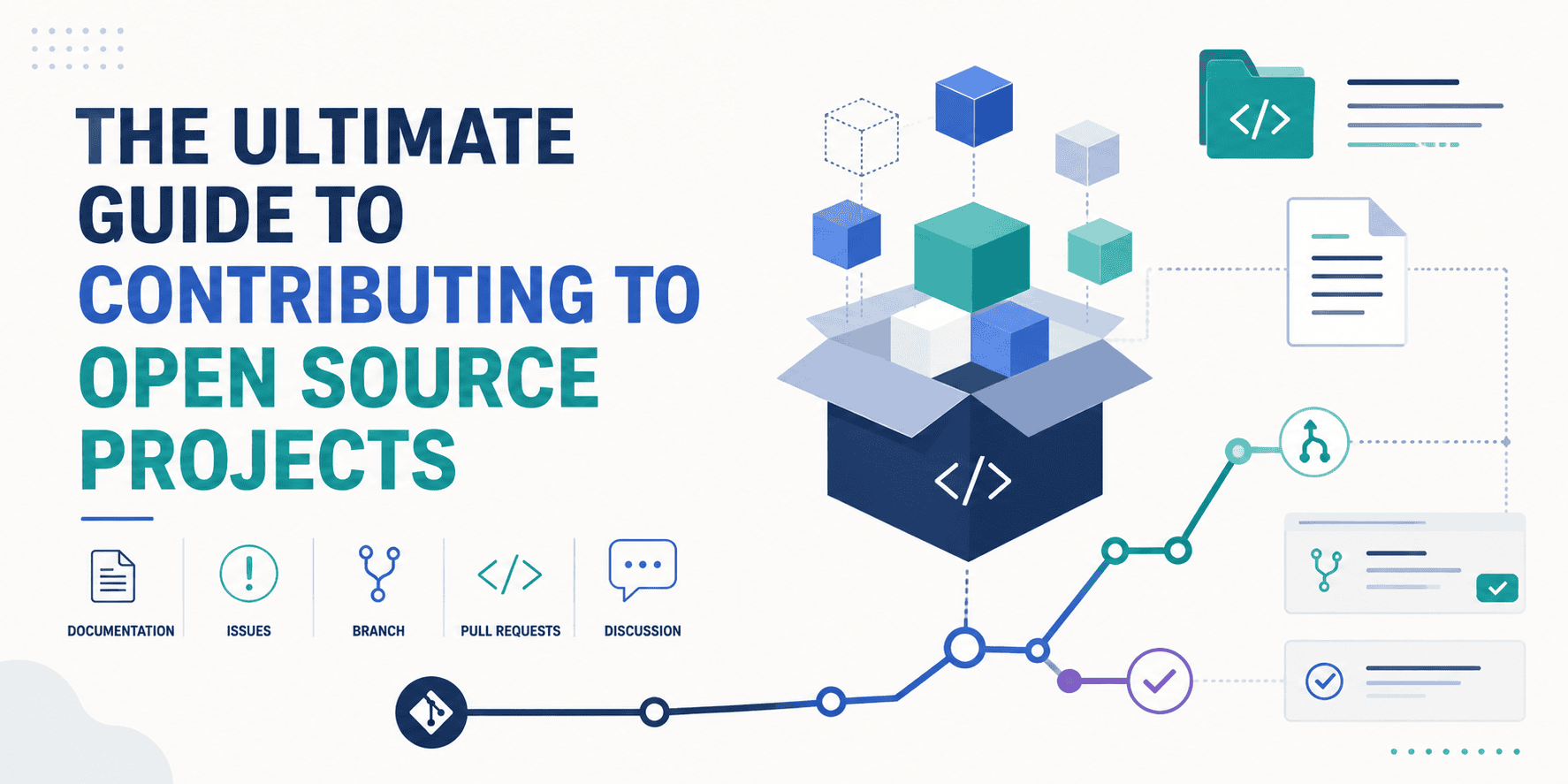
How to Contribute to Open Source Projects With Confidence and Clarity
Open source contributions often stall before they start, usually because the first commit feels like the hardest step. This guide cuts through the guesswork, showing you how to identify projects where maintainers actually respond, master the exact git workflow, and turn a single pull request into a lasting presence. It is a practical map for getting your first real contribution merged.

Your Team's Insight Still Guides the AI in Incident Response
AI is moving fast into incident response, summarizing channels, analyzing unfamiliar code, and even suggesting fixes. That's genuine progress. But Craig Risi's piece reminds us that the hardest calls still land on humans. The technology can point the way, yet judgment, context, and accountability remain ours to carry. That's not a limitation; it's the point. For a broader look at where this intelligence is headed, our piece on AI designing its own hardware offers a fitting follow-up.
Dependabot adds a smart pause to protect your projects from malicious updates
Dependabot's new three-day cooldown is a quiet but meaningful shift in how we approach dependency updates. By pausing before opening pull requests, GitHub gives the community time to spot malicious releases before they slip into your workflow. It's a practical, human-centered move that prioritizes security over speed. For teams juggling constant updates, this buffer feels less like a delay and more like a safeguard.
GM uses AI agents to free engineers from 85% of non-coding work
General Motors' autonomous driving division didn't just hand engineers a better coding tool. It redesigned entire workflows around AI agents, and the payoff is hard to argue with: three times as many merged pull requests, faster releases, and fewer defects slipping downstream. Rashed Haq's point is worth sitting with. Most engineering time was never spent writing code anyway. Automating the other 85 percent, the analysis, triage, and testing, is where the real transformation lives. That is a smarter way to think about AI's role.

Voice meets action: OpenAI brings GPT-Live's full duplex to Codex and desktop
Two weeks after debuting GPT-Live, OpenAI has brought its full-duplex voice control into Codex and the ChatGPT desktop app on macOS and Windows. That means developers can now orchestrate multi-threaded coding jobs, review pull requests, and debug applications using natural speech, hands-free. The architecture decouples the voice layer from heavier reasoning models, letting conversations flow while agents work asynchronously.