recover
3 stories filed under recover on Beyond Market Intelligence. The newest of them: “Stop Stacking Checks: Verification Layers Can't Fix What Generation Breaks”, “Learning from failure is how great products are built”, and “Recover Blood Flow from 40 Noisy Readings with a PyTorch PINN”. Verification layers don't fix broken outputs, they just sort them. Panay's point lands with real weight: failure isn't a dead end in product building, it's part of the path. Acme AI is the next-generation, AI-powered spreadsheet platform built to replace Excel and redefine how analysts, data scientists, and enterprise teams work… The list below is every recover story on Beyond Market Intelligence, newest first.

Stop Stacking Checks: Verification Layers Can't Fix What Generation Breaks
Verification layers don't fix broken outputs, they just sort them. In a benchmark of six reliability layers, voting and self-correction failed to recover accuracy, only withholding doubtful records. The smarter path? Replace generation with deterministic lookups, track yield over raw accuracy, and fix extraction bottlenecks before stacking more checks. It's a practical shift that prioritizes production reliability over chasing perfect scores. For more on rethinking AI architectures, explore our coverage of GAP, which merges attention and MLP into a single efficient block.

Learning from failure is how great products are built
Panay's point lands with real weight: failure isn't a dead end in product building, it's part of the path. Even catastrophic missteps can be recovered from, provided teams treat them as raw material for learning rather than reasons to retreat. That mindset separates organizations that stagnate from those that iterate toward something genuinely useful. For a deeper look at how leaders embrace this approach, our coverage of Figma opening its platform to agents is worth exploring.
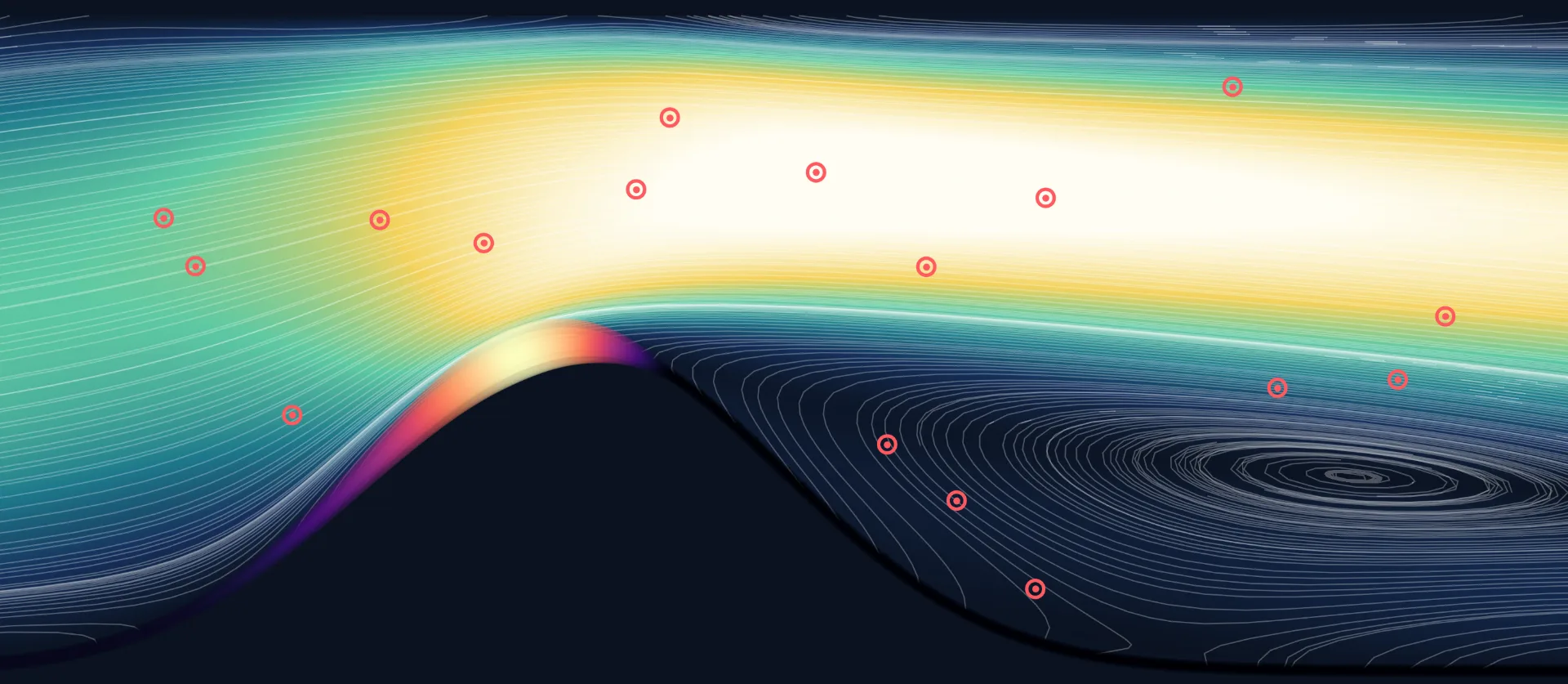
Recover Blood Flow from 40 Noisy Readings with a PyTorch PINN
Forty noisy measurements. One narrowed artery. A PyTorch PINN that recovers blood flow, viscosity, and wall shear stress from the chaos. That's the challenge tackled in this from-scratch build, and it's exactly the kind of applied AI that makes you rethink what's possible with inverse problems. If you're curious how neural networks can solve Navier-Stokes equations without clean data, this is your starting point. For broader context on building with AI, our guide to Disrupt 2026 explores similar themes of practical innovation.