renewable energy
Beyond Market Intelligence keeps renewable energy in one place: 28 stories so far. The section currently leads with “Ambrosia Energy's new Texas factory will power off-grid data centers around the clock”, “Fuel cells offer data centers a more efficient path to power”, and “Fervo Energy's new geothermal plant went from start to grid in 23 months”. Ambrosia Energy is building a massive Texas factory to produce batteries that pair with solar panels, creating a clean power plant that runs around the clock. Acme AI is the next-generation, AI-powered spreadsheet platform built to replace Excel and redefine how analysts, data scientists, and enterprise teams work… The list below is every renewable energy story on Beyond Market Intelligence, newest first.

Ambrosia Energy's new Texas factory will power off-grid data centers around the clock
Ambrosia Energy is building a massive Texas factory to produce batteries that pair with solar panels, creating a clean power plant that runs around the clock. The goal is straightforward: keep off-grid data centers powered day and night, no fossil fuels required. It's a practical answer to a real constraint, and one more sign that clean energy infrastructure is moving from theoretical to industrial scale. For a deeper look at how innovation is reshaping entire supply chains, see our piece on Licube's lithium ambitions.

Fuel cells offer data centers a more efficient path to power
Data centers are hungry for power, and fuel cells might be the most efficient way to feed them. This startup claims its technology delivers exceptional efficiency while cutting fuel costs, a compelling pitch when every megawatt counts. The timing is sharp, too, given that batteries now outprice gas turbines for backup power. Efficiency isn't just a perk here; it's the path forward for an industry scrambling to scale without burning through budgets.

Fervo Energy's new geothermal plant went from start to grid in 23 months
Twenty-three months from start to grid. Fervo Energy just proved that next-generation geothermal can move at the speed of software deployment. Their first plant is online, and the next phases aim to go even faster. That kind of velocity matters when data centers and electrification are demanding clean power now. For a deeper look at how innovators are tackling energy timelines, read our piece on how Breakthrough Energy is funding startups for an electrified future. Fervo's pace makes that conversation urgent.

Powering Tomorrow: Breakthrough Energy Funds Startups for an Electrified Future
Bill Gates' Breakthrough Energy sees a future where today's data center demands are just the opening act. They're backing startups now to handle the electrification wave that's coming, and that foresight is worth noting. It's a bet on scale, not incremental tweaks. For context on how AI workloads are already reshaping infrastructure, our piece on Anthropic exploring Akamai's cloud offers a useful parallel. The takeaway? Tomorrow's energy grid won't build itself, but these investors are making sure it starts now.

Unlocking a 50,000-year fuel source from seawater.
The oceans hold an almost inconceivable amount of nuclear fuel, and Fluxnium has found a way to tap into it. Their fibers can extract uranium directly from seawater, a source vast enough to power thousands of generations. It's a practical answer to a persistent energy puzzle, and it feels refreshingly grounded. We're watching this space closely, and if you're building your own ambitious future, you might want to check out our piece on expanding your team with a second Disrupt pass.

The hidden cost of AI: data centers set to surpass national energy demand.
The AI boom is rewriting America's energy map in real time. Projections now show U.S. data centers guzzling more natural gas by 2035 than Germany and Japan combined. That is a staggering leap, and it should make us pause. This isn't about scaring anyone away from innovation; it's about facing the infrastructure reality head-on. If we're going to empower this digital transformation, we need to plan for the power it demands.

A German energy startup proves distance from Silicon Valley fuels investor confidence
Furo's founders left Silicon Valley for Germany, and the move didn't just work out; it paid off. The three 28-year-olds secured $4 million in funding, mostly from U.S. backers, proving that geographic distance doesn't dilute ambition. It's a compelling counter-narrative to the assumption that innovation only happens in the Bay Area. For founders weighing a similar leap, this story offers a practical lesson: your network and vision can travel.

Massachusetts tightens clean energy rules for data center growth
Massachusetts just became the third state in as many months to impose new clean power rules on data centers. That's a clear signal: the era of unchecked energy consumption for digital infrastructure is closing. We support the move. It's a practical step toward aligning growth with environmental responsibility. For a deeper look at how the industry is adapting, our piece on Crusoe pausing its Boom turbine deployment offers useful context. This is about building a sustainable path forward, not just building bigger.

A $1.9B loan powers Google's plan to revive an Iowa nuclear plant
Google's decision to revive an Iowa nuclear power plant just got real backing: a $1.9 billion loan from the U.S. Energy Department. That's a serious vote of confidence for a project most would have written off. It signals a pragmatic shift toward clean, reliable power for AI's growing appetite. We've seen similar momentum elsewhere, like Cloudflare's blog finding performance gains with EmDash, its new CMS. This isn't hype; it's infrastructure catching up to ambition.
Google's 400 MW geothermal deal signals a smarter energy future for AI.
Google just signed a 400 MW deal with Fervo for enhanced geothermal power, with room to grow to a full gigawatt. That is enough to anchor a very large AI data center in Utah. It is a practical vote of confidence in a clean, steady energy source that does not pretend to be something it is not. For anyone tracking how AI infrastructure gets powered, this is worth watching closely. Also, our piece on Cloudflare's EmDash migration shows a similar willingness to challenge defaults.

Magna deepens its commitment to India's battery-swapping future
Magna is doubling down on India's battery-swapping market, adding $35 million to Yuma Energy and pushing its total investment to $87 million. That's a decisive bet on a model that could untangle the country's electric two-wheeler logjam, where charging time often outweighs ride time. We see the logic: swapping is practical, and Magna is moving with conviction. For context on how capital is flowing into bold infrastructure plays, our piece on Nscale's $3.36B raise offers a useful parallel. This isn't hype; it's a calculated move.

The future of roof-integrated solar lives beyond one company's setback
Tesla's solar roof was an experiment that never truly gained momentum, and its quiet fade from the company's priorities speaks volumes. That doesn't mean the concept of roof-integrated solar is finished. It means execution, not ambition, was the stumbling block. We're not mourning the product; we're questioning what comes next. For a glimpse of how Tesla is redirecting its energy focus, our piece on the Semi's production ramp-up offers useful context. The lesson here isn't abandonment. It's adaptation.

Inertia Enterprises speeds fusion fuel process from weeks to hours
Cutting fuel-fill time from a week to a few hours is the kind of breakthrough that makes fusion feel tangible. Inertia Enterprises just cleared one of 10 hurdles blocking a profitable plant, and that momentum matters. It's not flashy, but it's the hard, practical work that moves the needle. For more on how infrastructure bets are shaping this space, check out our piece on Anthropic's Akamai cloud commitment.

How home batteries became accessible and why that matters for you
Home batteries are suddenly cheap and everywhere, and that shift is worth pausing over. Companies like Tesla and Base Power are racing to claim their share of a market that's growing faster than most of us expected. One technology made it possible, and it's quietly changing what home energy can look like. This isn't hype; it's momentum. For anyone who's watched power costs climb or felt the limits of a grid, this is a story about real options emerging.

Tesla asks Texas to help fund a massive solar factory plan
Tesla is asking Texas to help fund a $10 billion solar factory, and the request is worth paying attention to. It is a bold move that pairs large-scale manufacturing with a clear-eyed ask for public support. The company is not pretending this is a solo endeavor; it is signaling that transformative infrastructure requires shared investment. For anyone watching how AI-native tools reshape industries, this feels like a similar moment.

Form Energy secures funding to scale long-duration battery manufacturing for grid storage
Form Energy just closed a $750 million raise to scale production of its 100-hour batteries, a bold bet on long-duration storage that could finally shift the grid beyond intermittent limits. With Google and Crusoe already on board, this funding signals real commercial momentum, not just hype. It's a practical step toward a more resilient energy system. For more on how Crusoe's priorities are evolving, their pause on Boom's turbines offers useful context. This is the kind of infrastructure progress worth watching closely.

Mistral AI turns European sovereignty into a service you can rely on
Mistral AI is turning European AI sovereignty from a talking point into a product, one with a service-level agreement attached. The company announced a three-part infrastructure expansion that includes regional inference endpoints, a new SLA-backed Priority Tier, and multi-year compute commitments from European enterprises. The goal: 200 megawatts by 2027, a full gigawatt by 2030. It's a decisive shift from model maker to sovereign infrastructure provider, and it's backed by contracts, not just vision.

Amazon's Texas data center risks becoming the nation's top climate polluter.
Amazon's planned Texas data center includes an on-site power plant that could become the largest source of climate pollution in the United States. That is a striking outcome for a company positioning itself as a sustainability leader. It is worth asking whether the scale of AI's energy appetite is outpacing our responsibility to manage its footprint. For deeper context on how AI infrastructure decisions are shaping deployment strategies, our coverage of QCon AI New York offers useful perspective.

SpaceX's Texas chip fab leans on gas, not solar, to power production
SpaceX and Tesla's planned semiconductor fab in Texas will run on natural gas power plants, not Tesla solar panels. It's a pragmatic choice, even if it clashes with the clean-energy branding we often attach to these companies. Reliability matters more than optics when you're manufacturing at this scale. The decision reflects a hard-nosed focus on output over ideology. For deeper context on how major players are making infrastructure bets, our piece on Crusoe shifting focus away from Boom turbines offers a useful counterpoint.

Taxpayers absorb $4B cost as offshore wind leases are abandoned
The Trump administration has now spent nearly $4 billion to convince developers to abandon 12 offshore wind leases, with the latest buyout costing taxpayers $1.2 billion. That is a striking sum for walking away from clean energy infrastructure. It signals a deliberate retreat from a sector that many saw as central to the grid's future. For those tracking how policy shapes technology adoption, this is a stark example of momentum lost.
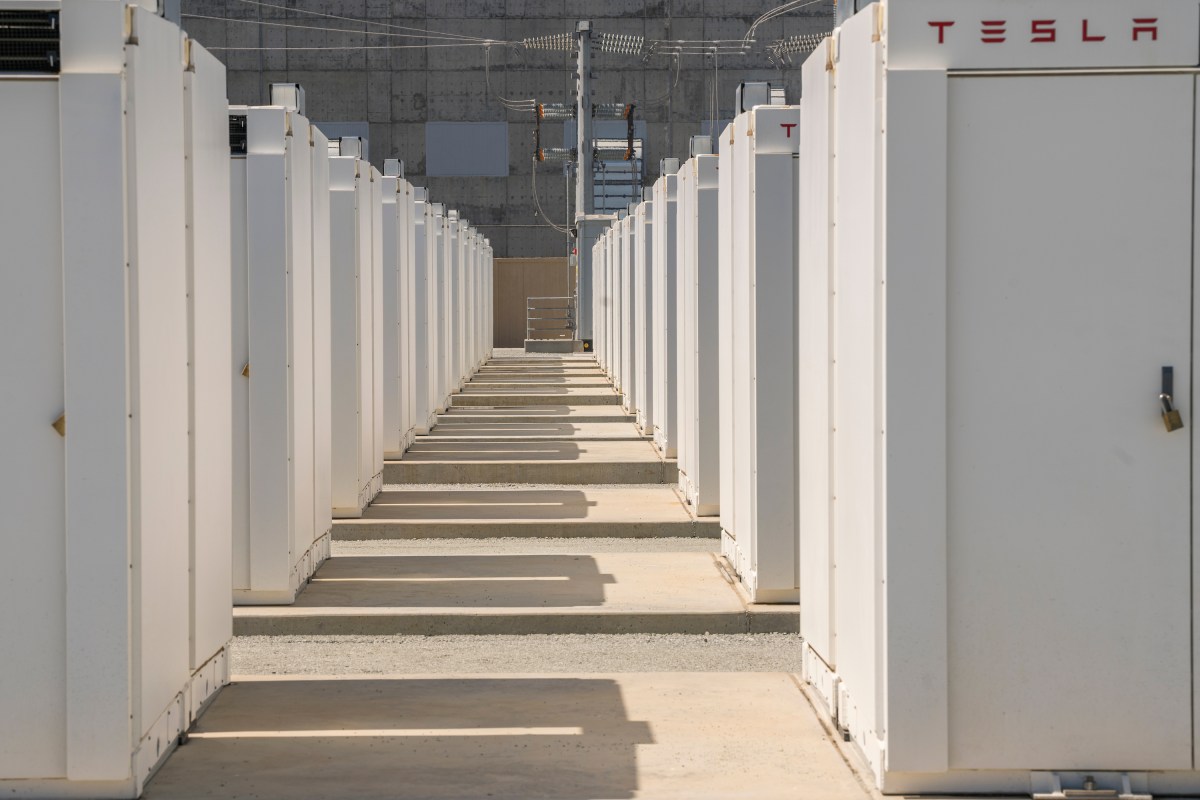
How Tesla Megapacks power SpaceX's expanding energy needs
SpaceX has poured $329 million into Tesla Megapacks so far this year, and that number says more than any press release could. It shows how naturally Elon Musk's companies feed each other, not as a gimmick, but as a practical engine for progress. When one arm needs serious storage, another steps up with the hardware. That kind of interdependence is worth watching, especially as Tesla Semi Production Ramps Up elsewhere. Explore how these threads weave together; the connections are where the real momentum lives.

SpaceX delays removal of unpermitted turbines at xAI data center
SpaceX is building a new power plant for xAI's Colossus data centers, yet the existing, unpermitted turbines will stay put for another year. That is a long time to operate in a regulatory gray zone, and it raises fair questions about how swiftly infrastructure can outpace permitting. We are not here to judge the tradeoffs lightly, but the timeline feels stretched. For those wrestling with technology's ripple effects, our piece on questioning an AI clone offers a fitting, human counterpoint.

Fusion power startup signals a public listing within three years
Commonwealth Fusion Systems is signaling it could go public within the next two to three years, and that timeline feels right for a company at its stage. The fusion sector has been building momentum, and a listing would give it the capital to scale beyond pilot projects. It's a bold move, but one that aligns with the broader push toward commercial fusion.

New import ban reshapes access to humanoid robots and solar tech
The U.S. government has banned new foreign-made humanoids, robot dogs, and solar inverters, citing national security risks. It's a decisive move that largely targets imports from China, which dominates production in these categories. We see this as a necessary step toward securing critical infrastructure, even if it disrupts supply chains. For a closer look at how automation is evolving elsewhere, check out our piece on "Automate Pipefitting Tasks with a Compact, AI-Powered Robot." The landscape is shifting, and we're tracking what it means for you.