reranking
reranking at Beyond Market Intelligence is a file of 6 stories. The newest of them: “Migrate Between Embedding Models Without Rebuilding Your Entire Corpus”, “Upgrade your embedding model across a billion documents without downtime.”, and “Master Context, Not Prompts, to Build Production-Grade AI Systems”. Backfilling a million vectors just to switch embedding models is the kind of cost that quietly stalls progress. Upgrading an embedding model usually means a brutal choice: serve stale vectors or spend 108 days on backfill. Acme AI is the next-generation, AI-powered spreadsheet platform built to replace Excel and redefine how analysts, data scientists, and enterprise teams work… The list below is every reranking story on Beyond Market Intelligence, newest first.
Migrate Between Embedding Models Without Rebuilding Your Entire Corpus
Backfilling a million vectors just to switch embedding models is the kind of cost that quietly stalls progress. One developer found a smarter path: instead of re-embedding everything, pull a small set of documents from the old index and rerank them with the new model. With enough samples, retrieval quality matches native performance. In one test, just 50 documents closed the gap. That is practical, accessible innovation. The tooling supports Qdrant, pgvector, and FAISS, and it is ready to try.
Upgrade your embedding model across a billion documents without downtime.
Upgrading an embedding model usually means a brutal choice: serve stale vectors or spend 108 days on backfill. The team behind embedflow found a smarter path. By reranking just 50 documents from the old index against the new model, they matched native retrieval quality. That is a practical shortcut, not a theoretical one. They tested it across 63 migrations, and the results hold up. If you are wrestling with vector upgrades, this is worth exploring.

Master Context, Not Prompts, to Build Production-Grade AI Systems
A well-crafted prompt is only the beginning. Ricardo Ferreira's session moves past that foundation to tackle the architectural realities of production AI. He focuses on practical strategies: using Redis to manage memory, summarization to handle token limits, and reranking to fight context rot. This is about controlling costs and latency without sacrificing performance. For a deeper look at how LLMs navigate structure, our related article on paragraph structure is worth exploring. This talk is a grounded, useful guide for building systems that actually hold up.
Building Smarter RAG Pipelines That Earn Their Complexity
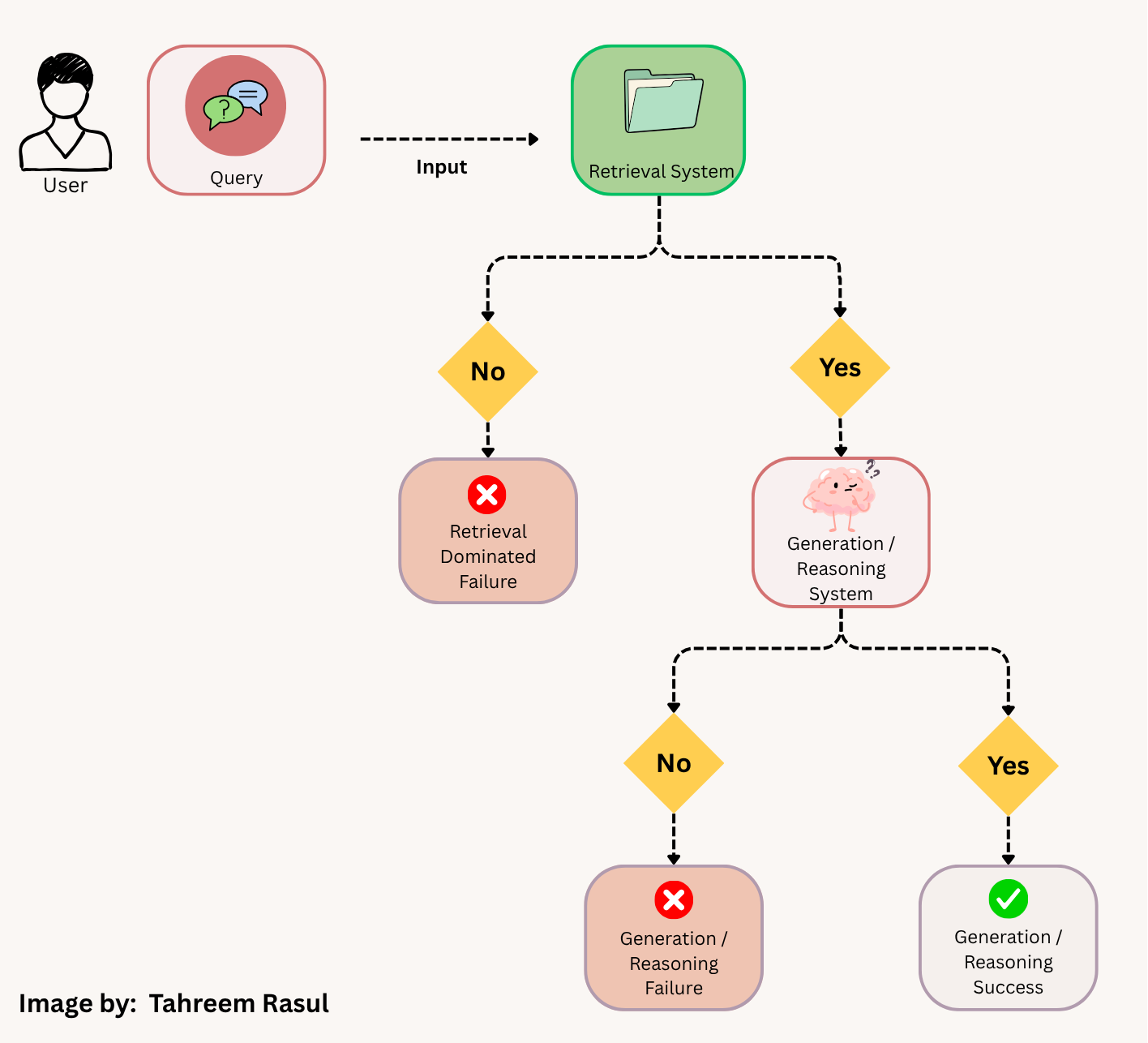
Most teams add complexity to RAG pipelines before they've earned it. This framework flips that instinct, introducing advanced techniques only when observed failures demand them. Starting with lexical and hybrid search, then moving to reranking and agentic information seeking, the approach keeps systems lean and understandable. It's a disciplined counter to the temptation of overbuilding. For readers tracking how retrieval evolves into action, the related piece on bridging retrieval and action offers a useful follow-up.
Build and benchmark production RAG with fully open models
Building a RAG system that actually works in production takes more than stitching together a vector database. This workshop on August 29, led by Ben Auffarth of Chelsea AI Ventures, tackles the messy parts head-on: hybrid retrieval, reranking, and guardrails built in from the start. It's refreshing to see evaluation with RAGAS and real cost benchmarking treated as essentials, not afterthoughts. If you're tired of demo-grade AI, this hands-on session is worth exploring.

From 60 years of databases to 18 months of agents, memory bridges the gap.
Six decades of database engineering. Eighteen months of modern AI agents. That ratio explains everything about the state of agentic development right now, we're not mid-curve, we're at its base. Token-maxxing already taught us the hard lesson: context is scarce, and stuffing it isn't strategy. The real answer is persistent, queryable memory, semantic, access-controlled, human-curated, that makes each expensive answer cheap next time. That's the architecture emerging.