resource allocation
resource allocation at Beyond Market Intelligence is a file of 11 stories. The newest of them: “Optimize LLM memory with a VRAM formula and three targeted strategies”, “AI Memory: Lessons Learned from a Large, Uneaten Pizza”, and “Resource Orchestration Made Practical with Stable Python Techniques”. Inference servers don't hit a compute wall first; they hit a memory one. A large pizza ordered and left uneaten is more than a waste of good food. Acme AI is the next-generation, AI-powered spreadsheet platform built to replace Excel and redefine how analysts, data scientists, and enterprise teams work… The list below is every resource allocation story on Beyond Market Intelligence, newest first.

Optimize LLM memory with a VRAM formula and three targeted strategies
Inference servers don't hit a compute wall first; they hit a memory one. The KV cache tax quietly consumes your VRAM budget, leaving GPUs idle while requests stall. This piece breaks down the formula behind that imbalance and maps three optimization strategies to the exact traffic patterns that trigger out-of-memory errors. It's a practical look at why serving fails and how to plan around it. For a deeper foundation on distributed systems, pair this with our guide to distributed training algorithms.
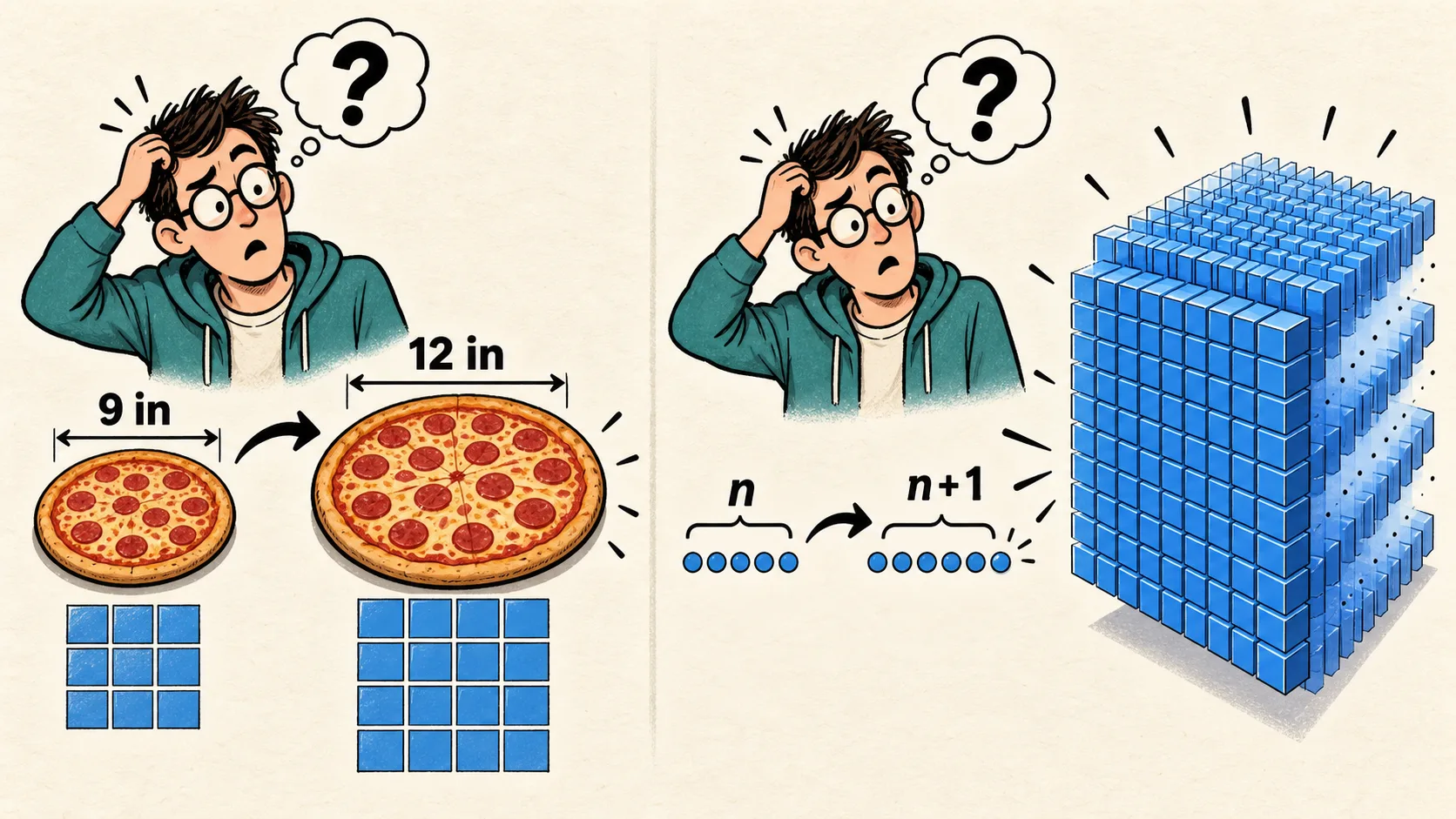
AI Memory: Lessons Learned from a Large, Uneaten Pizza
A large pizza ordered and left uneaten is more than a waste of good food. It is a perfect metaphor for how machine learning models handle memory. The post, "The N Squared Pizza Problem," draws a sharp parallel between that oversized order and the inefficiencies lurking in AI memory management. We appreciate the clever framing because it makes a complex topic feel immediate and relatable.

Resource Orchestration Made Practical with Stable Python Techniques
Orchestration often feels harder than it should, especially when you are juggling stable, everyday Python. Five techniques that actually work today, built for 3.11 and later, with one 3.14-specific tool clearly flagged for those ready to push ahead. It is a grounded, practical read. If you want to extend your coding mindset further, our guide on unlocking Python's advanced techniques pairs nicely with this approach.

Optimize A/B tests by allocating traffic based on variant cost, not tradition
The default 50/50 traffic split assumes equal cost per variant. That assumption breaks when your treatment costs more than your control. This post tackles the math behind optimal allocation under heterogeneous variant cost, showing how cost-based sampling weights correct the imbalance. It's a practical fix for anyone running experiments where budget constraints matter. For readers interested in how similar efficiency principles apply beyond experimentation, our piece on the Forrester function explores a related mathematical tool for machine learning.
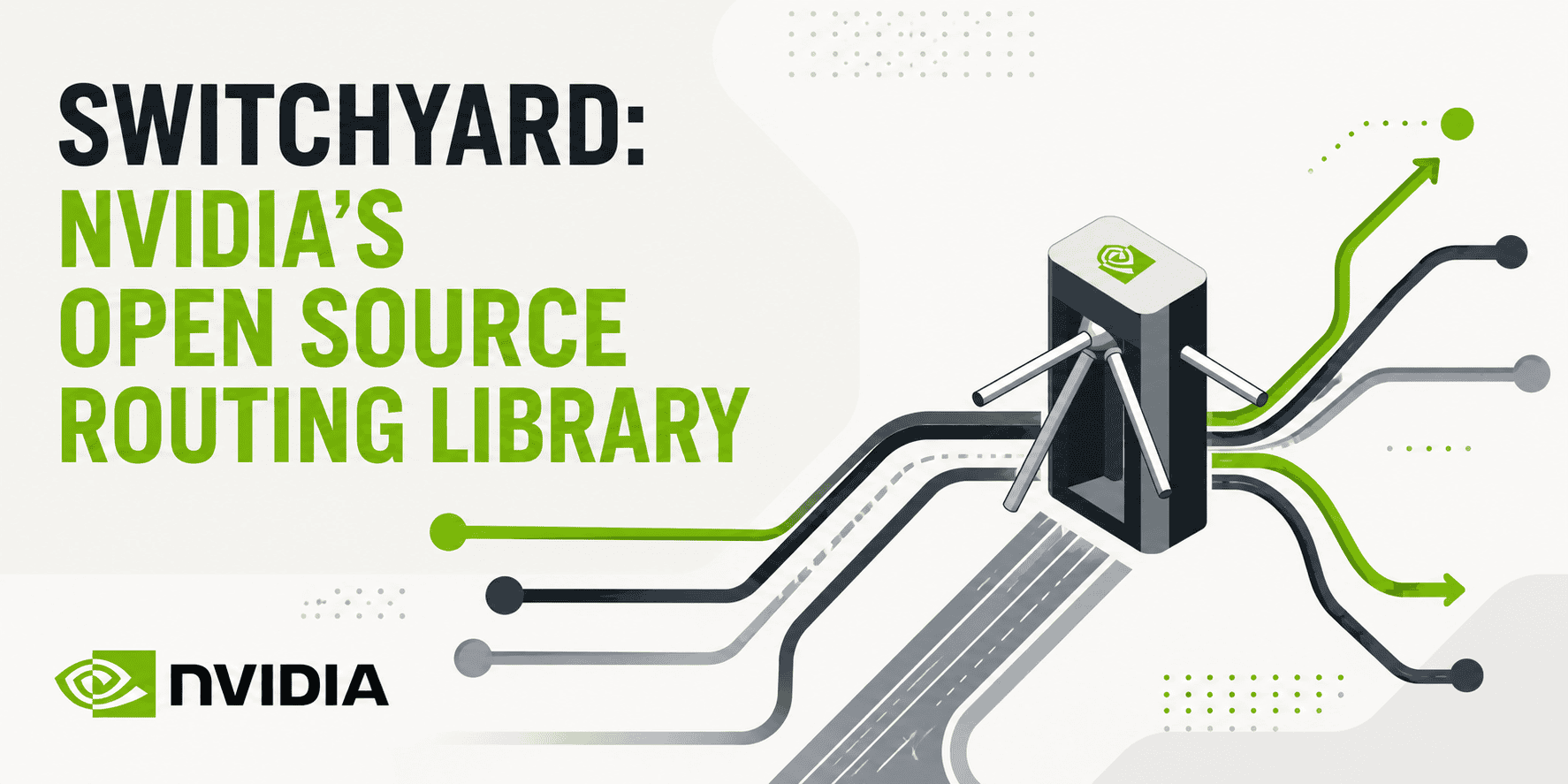
Intelligent routing reduces AI costs without sacrificing quality.
Not every AI request needs the full power of your most expensive model. Switchyard, NVIDIA's open-source routing library, offers a smarter approach: route simpler queries to lighter models, saving cost and latency without a major drop in quality. It's a practical shift toward efficiency. For those building distributed systems, our guide on distributed algorithms explores the foundational concepts that make routing like this possible. Explore Switchyard and see how intelligent routing changes the math.

Agentic traffic demands a smarter approach to autoscaling.
Autoscaling used to follow a predictable arc: manual rules, then reactive thresholds, then predictive models. Each generation assumed traffic patterns that resemble human behavior. Autonomous agents broke that assumption. They spawn bursts of activity that don't map to any prior curve, so two decades of capacity planning logic stops holding up. We need a new mental model, one that treats agentic bursts as first-class citizens rather than anomalies. It's a sharp, practical read.

Diversify Your Budget Without Losing the Insights That Power It
A well-structured budget should never force you to choose between clarity and control. This piece tackles that exact tension, showing how you can diversify a budget while keeping the shadow prices that explain every decision. It's a practical approach for anyone tired of opaque spreadsheets that hide their own logic. We appreciate work that makes financial modeling more transparent, and this guide delivers exactly that. For readers exploring how data tools evolve, *Expanding Your Tech Fluency* offers a useful complement.

When Multi-Agent Architecture Tripled Our LLM Costs and What Fixed It
A seemingly small shift to multi-agent architecture quietly tripled the token bill, and the author felt it in the ledger before the dashboard caught up. It's a sharp reminder that progress often hides its price tag. The fix wasn't a bigger budget but a smarter orchestration of prompts. If you're exploring AI's subtle costs, you might also appreciate "Talking to My AI Clone Taught Me to Question the Tech," which tackles hidden trade-offs from a different angle.

How Uber Separates Growth From Infrastructure Costs With Smarter AI
Uber's Zero Growth Stack takes a sharp turn on infrastructure logic: it separates capacity growth from business demand, so services scale without piling on hardware. Garbage collection sits at the core, quietly doing the heavy lifting. What stands out is the inclusion of generative AI in development, which lifts developer productivity, but Uber pairs that with deliberate cost controls. That balance, scaling while staying economically disciplined, is the real takeaway.

Managing AI token budgets will become as routine as managing payroll.
Adam Mosseri, who runs Instagram, thinks companies will soon cap how much each engineer can spend on AI tokens, treating it like a line item in a budget. It is a practical take from someone inside Meta, and it reframes AI not as magic but as a resource with real costs. That is a shift worth watching. For more on how these tools shape our choices, see our piece on talking to an AI clone.

New York Pauses Data Center Growth to Balance AI Ambition and Community Needs
New York just drew a line in the server room. Governor Kathy Hochul has paused approval for large data centers, making the state the first to hit pause on the AI building boom over concerns about electricity costs, water supplies, and local control. That is a bold move, and a necessary one. Growth that ignores its own footprint is not progress. It is a bill that comes due later.