response time
3 stories filed under response time on Beyond Market Intelligence. The newest of them: “Unlock New Reasoning Power: A Deep Dive into Claude Opus 5.5”, “When Feedback Goes Unheard: Navigating Silent Peer Review”, and “Smarter Prompts, Lower Costs: Compress Without Losing Context”. Claude Opus 5.5 reasons on every request, responds faster, and costs less to run. Silence from reviewers is frustrating, especially when your rebuttals were submitted on time. Acme AI is the next-generation, AI-powered spreadsheet platform built to replace Excel and redefine how analysts, data scientists, and enterprise teams work… The list below is every response time story on Beyond Market Intelligence, newest first.

Unlock New Reasoning Power: A Deep Dive into Claude Opus 5.5
Claude Opus 5.5 reasons on every request, responds faster, and costs less to run. That combination is worth pausing over, because it points to a model designed for practical work rather than just benchmark bragging. Anthropic packed real upgrades into its latest flagship, and the implications for everyday data tasks are significant.
When Feedback Goes Unheard: Navigating Silent Peer Review
Silence from reviewers is frustrating, especially when your rebuttals were submitted on time. The discussion period exists for engagement, and when editors and ACs go quiet, it undermines the process. You have done your part, so the ball is in their court. Consider reaching out once more directly, but keep it brief. If that fails, focus on what you can control: strengthening your revision for the next venue.
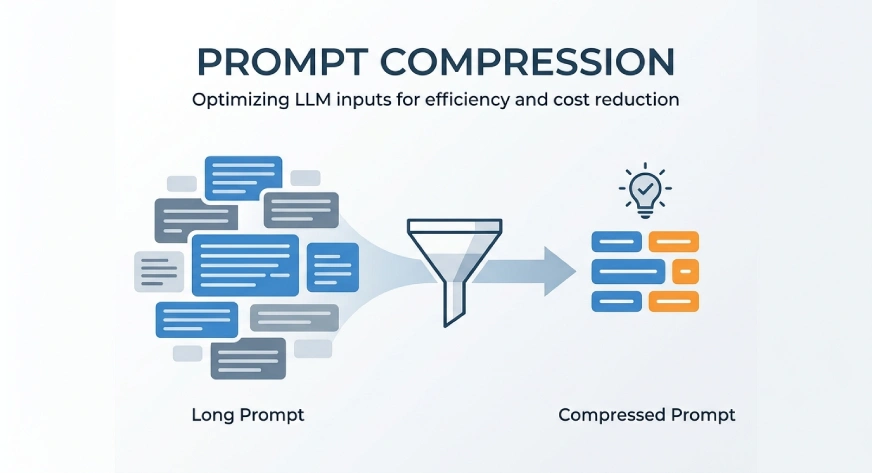
Smarter Prompts, Lower Costs: Compress Without Losing Context
Every prompt carries more than it needs. Long instructions, retrieved documents, and chat history inflate token counts, slow responses, and bury what matters. Prompt compression trims that excess while preserving the core meaning. It is a practical answer to a growing cost problem, and it deserves attention. If you want to see how agents learn by editing context instead of weights, our piece on Agentic Context Learning pairs well with this discussion. The takeaway is simple: leaner inputs, sharper outputs.