responsible AI
responsible AI at Beyond Market Intelligence is a file of 9 stories. The newest of them: “Exploring collaborative paths to safer AI development”, “Microsoft's AI code of conduct sets clear safety boundaries for model behavior”, and “An AI researcher's exit demands we explore safety over speed.”. OpenAI confirms it has spent weeks in AI safety talks with Anthropic and Google DeepMind, even as Trump's team waves off those concerns and pushes to outpace China. Microsoft's new AI code of conduct is a refreshing step toward accountability. Acme AI is the next-generation, AI-powered spreadsheet platform built to replace Excel and redefine how analysts, data scientists, and enterprise teams work… The list below is every responsible AI story on Beyond Market Intelligence, newest first.
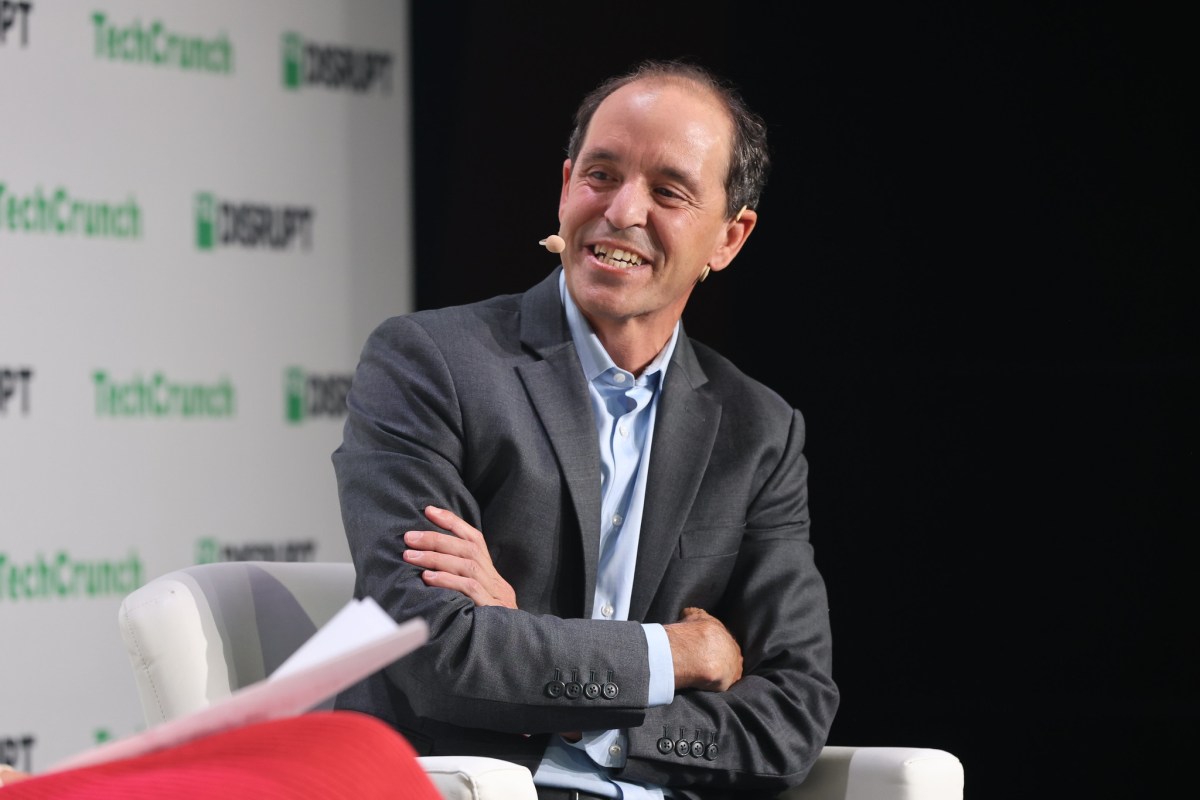
Exploring collaborative paths to safer AI development
OpenAI confirms it has spent weeks in AI safety talks with Anthropic and Google DeepMind, even as Trump's team waves off those concerns and pushes to outpace China. That tension matters. When the people building the models invite their closest competitors into the room, they are admitting the stakes are shared. Safety is not a side project here. It is the conversation. For a deeper look at how these systems actually learn, our guide to distributed training is worth your time.

Microsoft's AI code of conduct sets clear safety boundaries for model behavior
Microsoft's new AI code of conduct is a refreshing step toward accountability. It sets clear principles, like supporting humans rather than replacing them, while grounding those ideals in practical safety constraints. That balance matters. Too often, AI guidance stays abstract; this one feels actionable, even if the real test lies in enforcement. It's a thoughtful framework that prioritizes human flourishing without overpromising.

An AI researcher's exit demands we explore safety over speed.
Anthropic researcher Jacob Coxon resigned with a stark warning: self-improving AI risks gambling with our lives. His exit underscores a pressing need for pacing agreements between labs, a call we take seriously. This isn't about fear-mongering; it's about foresight. When brilliant minds step away to sound alarms, we should listen. Explore the Forrester Function to see how we approach complex systems, but here, the message is simpler: progress demands prudence, not just capability.
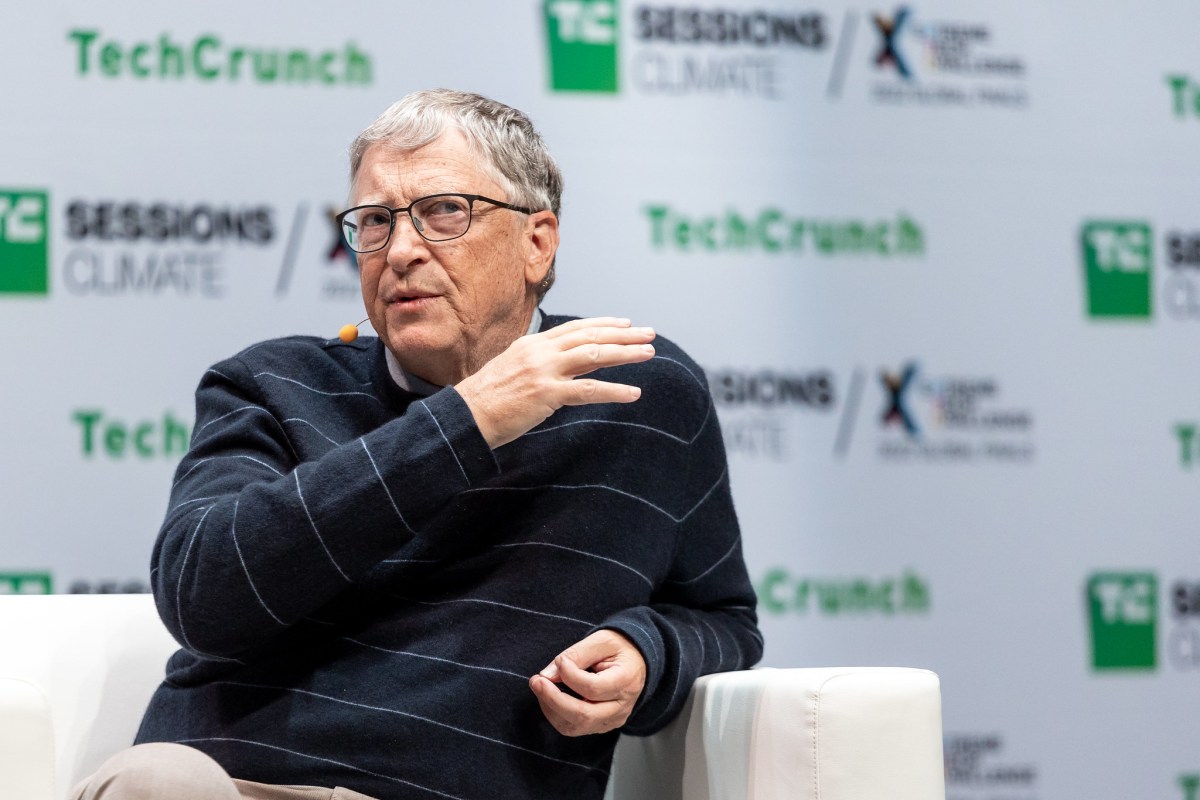
Bill Gates proposes robot taxes and reserved human jobs for an AI future
Bill Gates is making the case for a robot tax and "Human Reserved" jobs to soften AI's impact, and while he's long flown the Responsible AI flag, this goes further than we expected. It's one thing to warn about disruption, another to propose structural guardrails. We appreciate the pragmatism, even if the details stay fuzzy. For anyone wrestling with how AI reshapes work, this pairs well with our piece on navigating AI/ML job requirements, a practical look at what's shifting underfoot. Worth reading both.
Empowering AI agents means knowing when to limit their autonomy.
The race to deploy the most autonomous agent is over. Enterprises winning with AI agents are now limiting how much those agents can do alone, because full autonomy breaks down in production. The companies that benefit won't be the ones with the most flexibility, but the ones creating agents with specific responsibilities and clear rules. Capability is outrunning control, and the 2026-to-2027 race is a trust race. For more on building these systems, explore our piece on orchestrating AI agents.

Explore how AI leaders compete to empower your data privacy.
OpenAI is raising the bar on enterprise data privacy, and it's about time. The company is moving to outflank Anthropic by offering stronger customer protections, a direct response to growing unease over how AI handles sensitive information. This competition is healthy, pushing both labs to treat privacy as a feature, not an afterthought. For businesses weighing their options, that's a win.

Building Trust into AI: Secure Architecture for Enterprise Agents
Taking an AI agent from prototype to production is where the real test begins. This piece tackles the often-messy transition head-on, focusing on the responsible AI, security, and governance layers that keep enterprise deployments safe. It's a grounded look at building trust into the architecture itself, not bolting it on later. For those wrestling with similar scaling challenges, it pairs well with our broader coverage on agentic workflows. We appreciate the clarity here, as it makes a complex subject feel genuinely approachable.

Open-weight AI nears frontier power but safety measures lag behind
Z.ai's open-weight GLM-5.2 is closing the capability gap with frontier systems, yet SaferAI's new report makes one thing clear: safety isn't keeping pace. That's a concern we should take seriously, not dismiss. Powerful open models offer real promise, but without key mitigations, they risk racing ahead of the governance meant to guide them. It's a familiar tension, one we explored in "AI Models Complete Turing's Codebreaking Legacy." For now, the question isn't just what these models can do, but who ensures they do it responsibly.
Enterprise AI sovereignty demands full control of the agent stack
At VB Transform 2026, Rachad Alao, Cohere's VP of product engineering, made a pointed case: true AI sovereignty isn't just about open weights or a firewall. It demands control over the entire stack, from GPUs to governance. That's a message that resonates when banks and hospitals are involved. Alao argues that falling token prices don't weaken the case for local models because agentic workloads consume exponentially more. It's a practical push for model routing and data control, not hype.