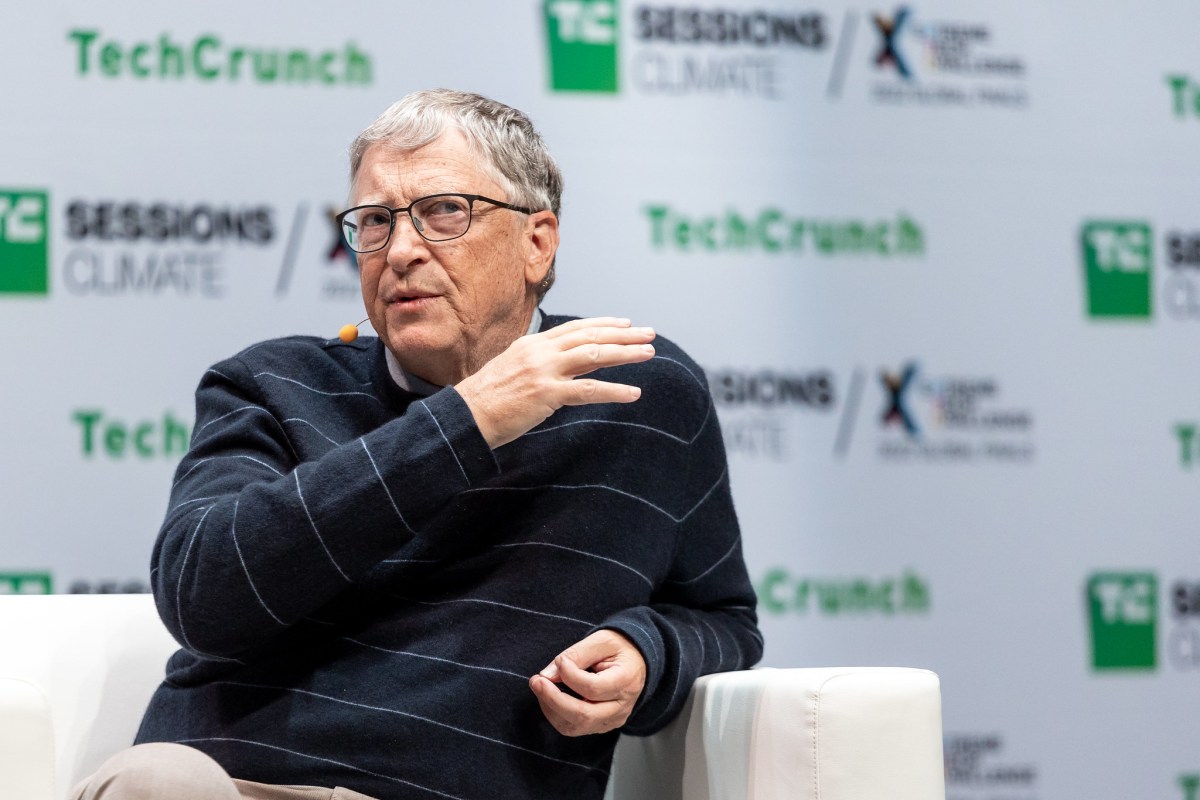
Bill Gates has spent decades thinking about the future of work, so when he floats the idea of a robot tax and "Human Reserved" jobs, it's worth paying attention. The man who helped put a computer on every desk is now asking us to consider what happens when that desk no longer needs a human at all. He's not alone in this camp, but his specific proposals carry weight because they're practical rather than theoretical. A robot tax isn't a new idea, but Gates frames it as a way to slow automation's pace while funding retraining. The "Human Reserved" concept, where certain roles are deliberately kept for people, is the kind of thinking that shifts the conversation from doom-scrolling to design.
What strikes us is how this connects to the anxieties we keep hearing from our readers. When you're talking to your own AI clone, you start to question what's genuinely human about your work. Gates isn't offering a cure for that unease, but his proposals acknowledge it's valid. He's saying the market won't self-correct, and that's a refreshing dose of honesty from someone who's profited immensely from technological disruption. The practical takeaway here isn't that we should all start lobbying for robot taxes tomorrow. It's that the conversation is shifting from "will AI take my job" to "how do we structure society when it does." That's a meaningful change, and it deserves more than knee-jerk reactions.
We'd tell a reader who asked us about this to focus on the second-order effects. Gates' ideas are less about the mechanics of taxation and more about signaling that we need to build guardrails before the flood, not after. This aligns with what we're seeing in the job market, where AI/ML roles now demand hybrid skills that didn't exist five years ago. The roles we're hiring for today will look different in a decade, but the pace of change isn't slowing down. Gates is essentially proposing a social contract update, one that says we can't just let technology reshape everything and hope we land on our feet. That's a pragmatic stance, not a utopian one, and it's worth taking seriously.
Here's the concrete point to watch: if Gates' "Human Reserved" idea gains traction, it could fundamentally change how companies approach hiring. Imagine a world where job descriptions explicitly state "no AI allowed" as a feature, not a bug. That's a future where human judgment becomes a premium commodity, and it might be closer than we think. The question isn't whether automation will take over, it's whether we'll have the foresight to decide what we want humans to do. Gates is betting we can, and that's a bet worth watching. For now, the smartest move is to stay informed and keep questioning the tools we're building, because the next few years will determine whether we're shaping AI or being shaped by it.