retraining
Beyond Market Intelligence keeps retraining in one place: 3 stories so far. The section currently leads with “Training One AI Model to Detect Multiple Gas Leaks Without Retuning”, “Explore how AI agents sharpen themselves without ever retraining the model”, and “Analog noise breaks AI accuracy at a sharp threshold, not gradually”. One model, trained on methane, now maps carbon monoxide, ammonia, and nitrogen dioxide plumes from space without retuning. Google's Harness² lets AI agents sharpen themselves through two recursive loops, improving their prompts, tools, memory, and scripts, without ever retraining the model. Acme AI is the next-generation, AI-powered spreadsheet platform built to replace Excel and redefine how analysts, data scientists, and enterprise teams work… The list below is every retraining story on Beyond Market Intelligence, newest first.
Training One AI Model to Detect Multiple Gas Leaks Without Retuning
One model, trained on methane, now maps carbon monoxide, ammonia, and nitrogen dioxide plumes from space without retuning. That includes the first automated carbon monoxide detections from NASA's EMIT instrument. We built a zero-shot gas-leak detector that generalizes across compounds. It's a practical step toward monitoring multiple hazards with a single system, no reengineering required. For a deeper look at how one model serves many tasks, see our related work on configuration-driven reporting.
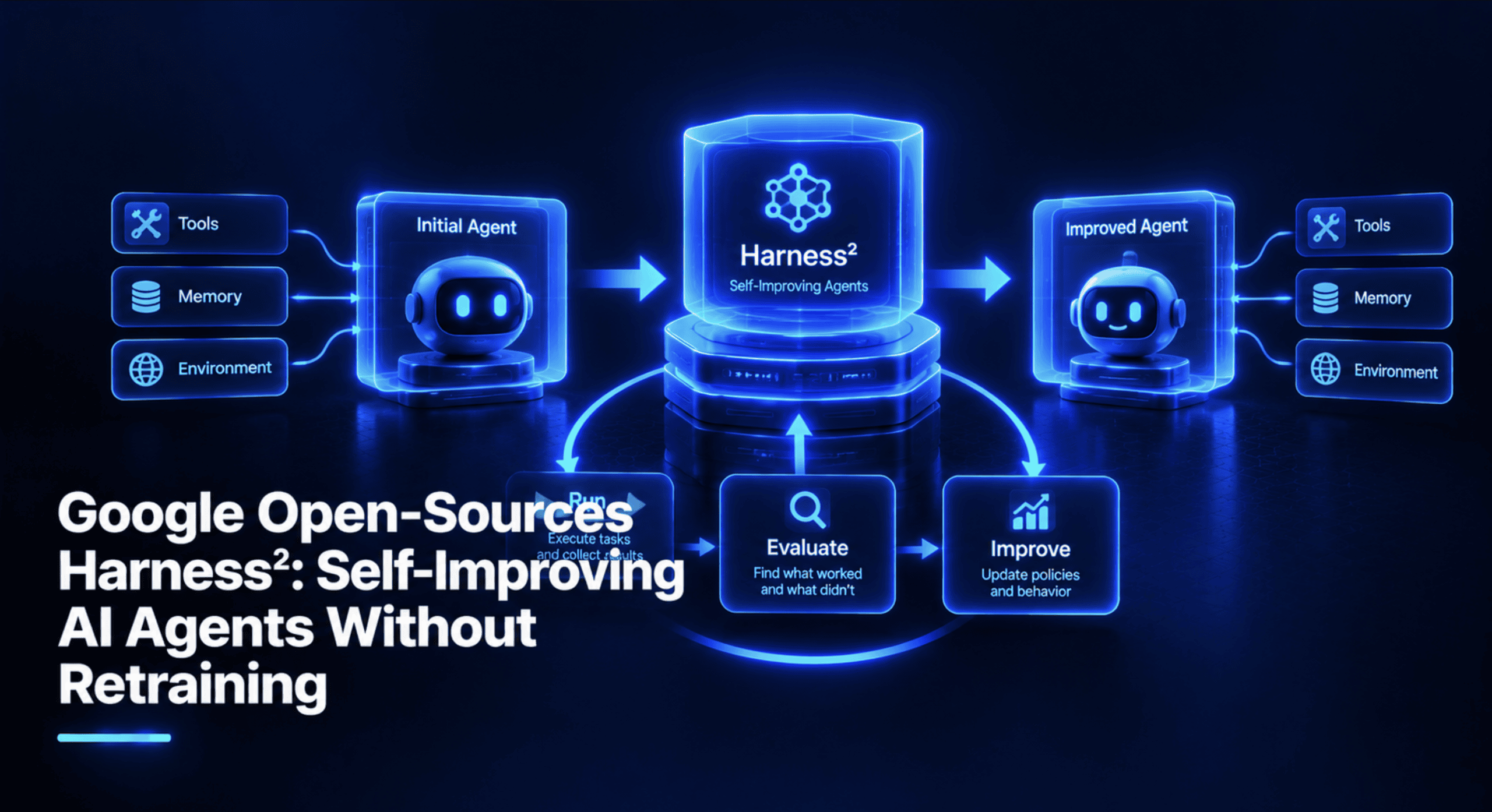
Explore how AI agents sharpen themselves without ever retraining the model
Google's Harness² lets AI agents sharpen themselves through two recursive loops, improving their prompts, tools, memory, and scripts, without ever retraining the model. This is a smarter, more efficient path to better performance, one that respects the work already done. If you're curious about the risks of progress, our piece on an AI-discovered PHP vulnerability offers a fitting companion read. Explore the free demo yourself.
Analog noise breaks AI accuracy at a sharp threshold, not gradually
Analog hardware's promise hinges on a single question: how gracefully does it fail? This experiment shows the answer is not graceful at all. Accuracy holds steady, then collapses from 83% to random in what looks like a cliff, not a slope. That threshold behavior is worth pausing on. Injecting noise during training shifts the drop-off meaningfully, but the flat-minima explanation feels like a starting point, not the whole story. We'd love to see work that optimizes directly for the hardware's noise profile.