Retrieval-Augmented Generation (RAG)
Retrieval-Augmented Generation (RAG) at Beyond Market Intelligence is a file of 4 stories. The newest of them: “Empower autonomous agents with a clear identity before they act”, “Build and benchmark production RAG with fully open models”, and “Blending RAG and fine-tuning for smarter, human-centered AI support”. AI agents are entering the enterprise workforce, and they need their own identity before they ever reach a gateway. Building a RAG system that actually works in production takes more than stitching together a vector database. Acme AI is the next-generation, AI-powered spreadsheet platform built to replace Excel and redefine how analysts, data scientists, and enterprise teams work… The list below is every Retrieval-Augmented Generation (RAG) story on Beyond Market Intelligence, newest first.

Empower autonomous agents with a clear identity before they act
AI agents are entering the enterprise workforce, and they need their own identity before they ever reach a gateway. Authentication alone won't cut it anymore. Once an agent starts reasoning, invoking tools, and coordinating across systems, the real question shifts from "Who are you?" to "What are you actually doing?" Runtime trust is the new security mindset, continuously validating behavior during execution. It's a practical evolution, and for deeper groundwork, our guide to distributed training algorithms offers useful context on the underlying systems.
Build and benchmark production RAG with fully open models
Building a RAG system that actually works in production takes more than stitching together a vector database. This workshop on August 29, led by Ben Auffarth of Chelsea AI Ventures, tackles the messy parts head-on: hybrid retrieval, reranking, and guardrails built in from the start. It's refreshing to see evaluation with RAGAS and real cost benchmarking treated as essentials, not afterthoughts. If you're tired of demo-grade AI, this hands-on session is worth exploring.
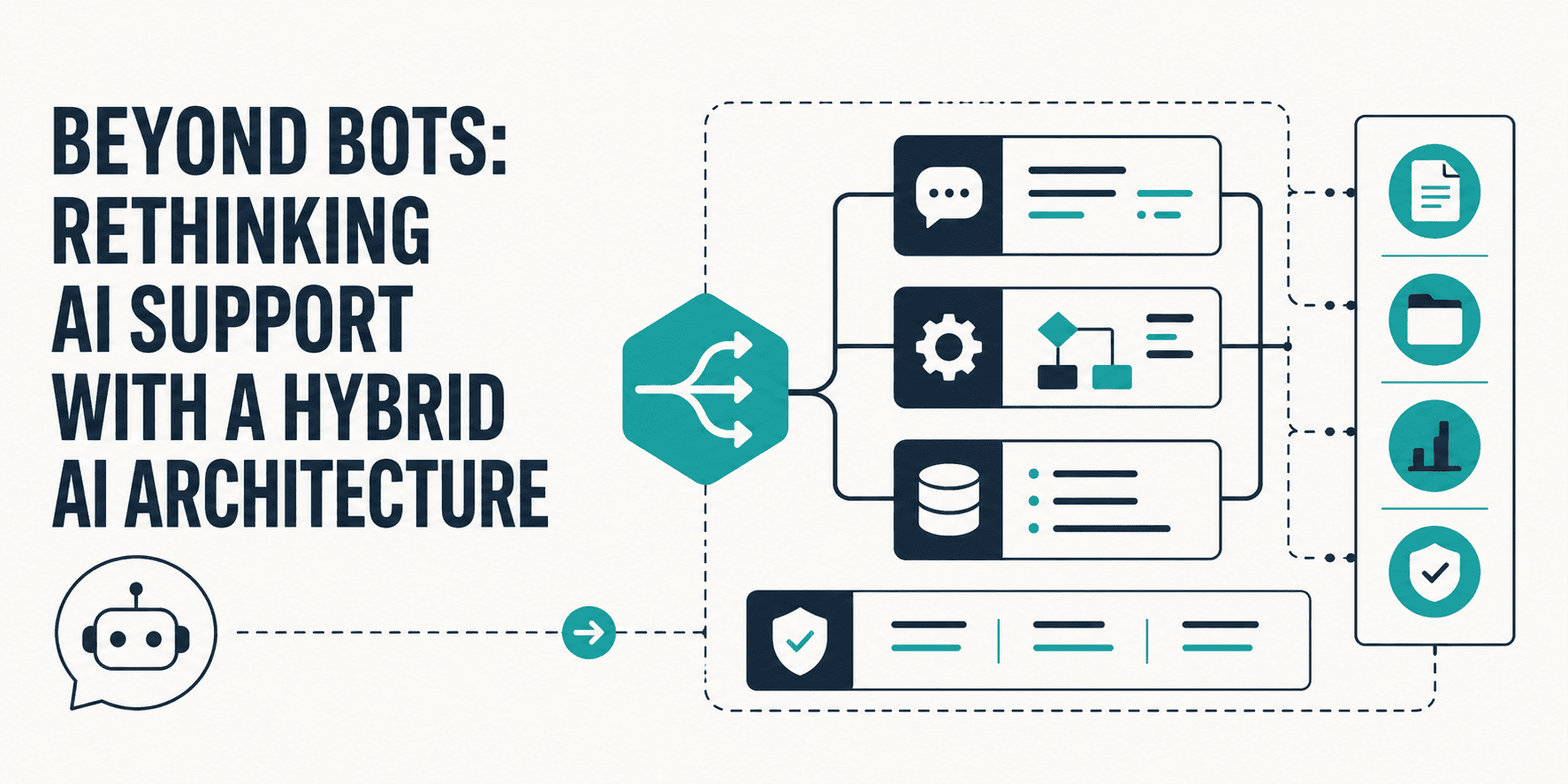
Blending RAG and fine-tuning for smarter, human-centered AI support
Fine-tuning and retrieval aren't rivals. They're partners. This piece breaks down why a hybrid AI architecture, one that blends RAG's precision with fine-tuning's adaptability, creates support experiences that actually feel helpful. It's a practical look at moving beyond rigid bot scripts toward something more responsive. If you're exploring how AI can better serve real users, this is a solid starting point. For a broader view on AI's trajectory, you might also check out "Explore the Future: When AI Designs Its Own Hardware."

Why AI pipelines stumble and how DataFlow-Harness restores their power
AI coding agents write clean one-off scripts, but hand them a full data pipeline and the output often falls apart. That gap between free-form code and production-ready workflows is real, and researchers are finally attacking it. DataFlow-Harness, an open-source framework from Peking University and collaborators, steers LLMs toward structured, visual pipeline graphs instead of disposable scripts. The results speak for themselves: a 93.3% pass rate, 72.5% lower API costs, and pipelines engineers can actually audit.