Reusability
3 stories filed under Reusability on Beyond Market Intelligence. The newest of them: “Three Criteria for Choosing Skills Over Sub-Agents in AI Design”, “Give your AI agents a single source of truth for business data”, and “Design Smarter Prompts by Letting AI Build Its Own Workflow”. Choosing the right building block for AI systems often comes down to fit, not flash. Pinecone's Nexus Engine is now generally available, and it's a practical answer to a messy problem: enterprise data that sits scattered and unstructured. Acme AI is the next-generation, AI-powered spreadsheet platform built to replace Excel and redefine how analysts, data scientists, and enterprise teams work… The list below is every Reusability story on Beyond Market Intelligence, newest first.

Three Criteria for Choosing Skills Over Sub-Agents in AI Design
Choosing the right building block for AI systems often comes down to fit, not flash. In a recent Azure Architecture blog post, lead engineer Kishorekumar Pattabiraman lays out practical criteria for deciding between skills and sub-agents, with reusability and long-term maintainability leading the way. It's a grounded take that cuts through the noise, favoring simplicity over cleverness. For those weighing similar trade-offs, this is the kind of clarity that helps teams move forward.

Give your AI agents a single source of truth for business data
Pinecone's Nexus Engine is now generally available, and it's a practical answer to a messy problem: enterprise data that sits scattered and unstructured. Nexus compiles that business context into a queryable layer, so AI agents stop guessing and start working from curated knowledge. Teams ingest once, then reuse that context across agents, cutting token costs while boosting accuracy. That's a meaningful step toward tools that actually understand the work. For more on where this tech leads, our guide to distributed training offers useful context.
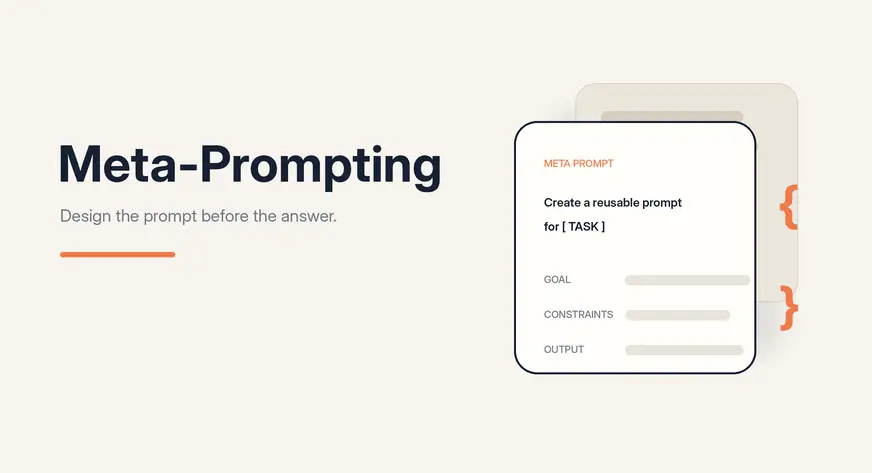
Design Smarter Prompts by Letting AI Build Its Own Workflow
Prompts are the quiet force behind every useful interaction with a large language model, yet they often fail when consistency matters most. Meta-prompting changes that by asking the model to build its own reusable prompt, template, or workflow before diving into the task. It's a smarter approach for teams that need the same output format again and again. If you're tired of vague results, this technique deserves your attention.