RLHF
Beyond Market Intelligence keeps RLHF in one place: 3 stories so far. The section currently leads with “Build leaner AI apps with smarter token compression techniques”, “Rethinking the compute demands behind LLM post-training research”, and “Recreating AI alignment results on consumer hardware reveals subtle training challenges.”. Building leaner AI apps doesn't have to mean sacrificing quality. Efficiency is the real bottleneck in LLM post-training research, not raw compute. Acme AI is the next-generation, AI-powered spreadsheet platform built to replace Excel and redefine how analysts, data scientists, and enterprise teams work… The list below is every RLHF story on Beyond Market Intelligence, newest first.
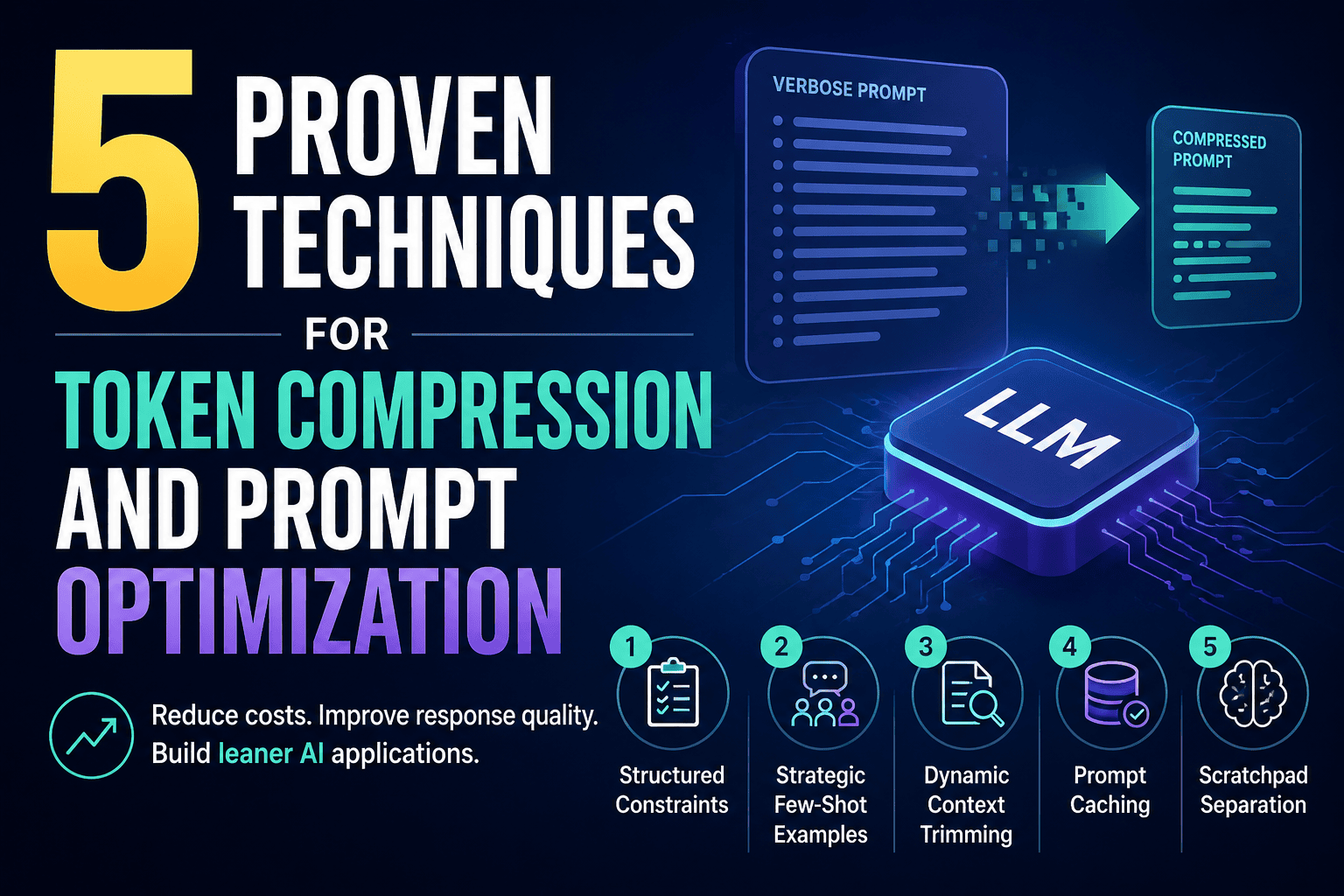
Build leaner AI apps with smarter token compression techniques
Building leaner AI apps doesn't have to mean sacrificing quality. Smarter token compression techniques let you reduce costs while actually improving response accuracy. These prompt engineering strategies strip away the noise, keeping only what matters for your model. It's a practical shift: spend less on tokens, get better outputs, and ship lighter applications. For a real-world example, see how one developer slashed AI search costs while keeping queries accurate. The approach is straightforward, and the results speak for themselves.
Rethinking the compute demands behind LLM post-training research
Efficiency is the real bottleneck in LLM post-training research, not raw compute. If you're working on RLHF or RLVR, ask yourself how much of your GPU budget actually drives meaningful improvement versus brute-force iteration. Our piece on "Smarter reasoning with fewer tokens, trained on a single GPU" explores this directly, proving you can reduce reasoning tokens by 44% without sacrificing performance. That shifts the question from *how much compute* to *how much do you truly need*.
Recreating AI alignment results on consumer hardware reveals subtle training challenges.
A GRPO run that moves a trait only +2.4 points when you need +15 isn't a slow start; it's a signal that something structural is off. Feedback aligns with what many small-scale RL practitioners suspect: prompt diversity and per-example rubrics matter more than raw compute. If you're exploring how reward design shapes outcomes, our piece on verifiable rewards for small models covers adjacent mechanics. For now, treat this as a prompt-engineering problem, not a training problem.