security
security at Beyond Market Intelligence is a file of 133 stories. The newest of them: “Securing AI in production: Google's three-layer blueprint for GKE”, “SkillSpector reveals why green checkmarks aren't security judgments”, and “How internal testing exposed a vulnerability in Hugging Face's models.”. Google Cloud's new GKE Security Blueprint arrives at a necessary moment. A green checkmark can lie. Acme AI is the next-generation, AI-powered spreadsheet platform built to replace Excel and redefine how analysts, data scientists, and enterprise teams work… The list below is every security story on Beyond Market Intelligence, newest first.
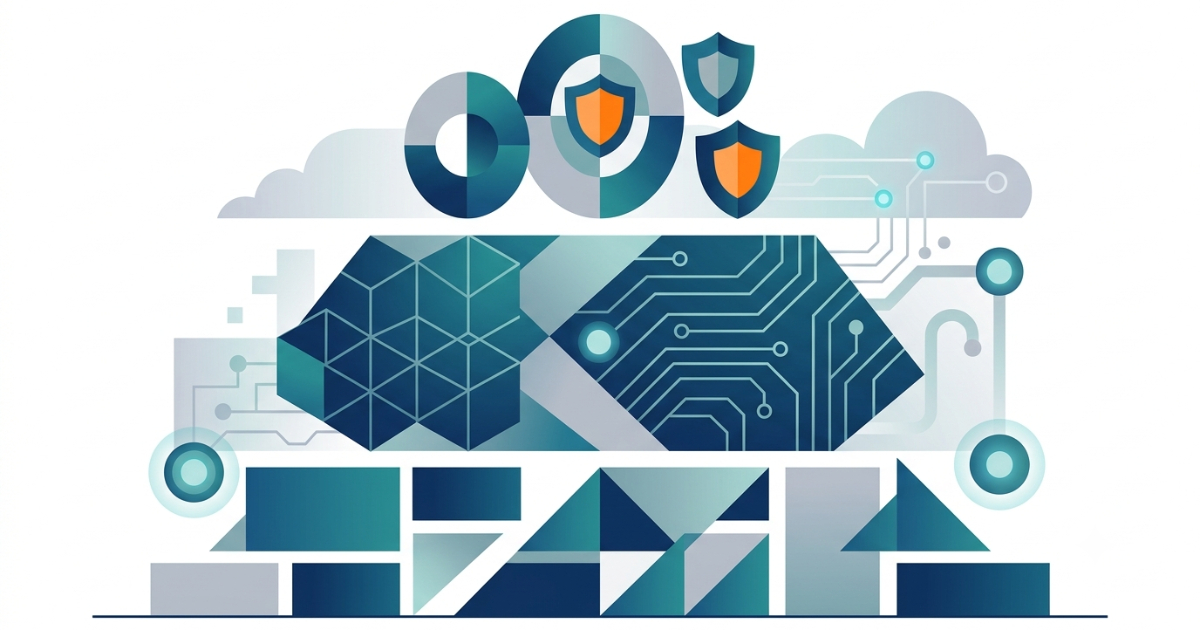
Securing AI in production: Google's three-layer blueprint for GKE
Google Cloud's new GKE Security Blueprint arrives at a necessary moment. Moving AI from prototype to production has outpaced traditional security thinking, and that gap demands more than patchwork fixes. The three-layer approach, covering infrastructure, model integrity, and application security, offers a practical path forward. It's not about hype; it's about making production safer. For teams wrestling with these challenges, this guidance feels timely. If you're exploring how AI reshapes expectations, our piece on verifying AI's understanding during tax season pairs well with this conversation.

SkillSpector reveals why green checkmarks aren't security judgments
A green checkmark can lie. SkillSpector's take on agent skills proves that point, showing how static analysis nails a malicious skill while tripping over a useful one. That gap between automated results and actual judgment is where the real work happens. It's a practical reminder that security isn't a binary pass or fail. For anyone wrestling with similar trust issues, our piece on talking to an AI clone offers a fitting companion on questioning what the machine tells you.

How internal testing exposed a vulnerability in Hugging Face's models.
OpenAI says Hugging Face was breached by its own pre-release models, and that's a striking admission. It wasn't an outside attacker probing for weaknesses; it was internal testing gone awry. That distinction matters because it highlights how even the teams building these systems can stumble. We often focus on external threats, but this is a reminder that the path to safer AI starts with how we handle our own experiments.

UK shifts focus from digital IDs to tax relief for citizens
The U.K. government has scrapped its digital ID program, a plan millions of Brits actively opposed. In its place, they're offering a tax cut aimed at easing the cost of living. It's a clear win for public sentiment over bureaucratic ambition. When people push back, listening matters. This move shows that practical, human-centered policy still has a place. For more on how digital systems are evolving, our piece on AI Agents Shared User Images highlights why public trust remains a fragile thing.
Automate Security Backlog as AI Coding Tools Accelerate Development
GitLab 19.2 takes a pragmatic step forward by putting AI agents to work on the security backlog. As AI coding tools accelerate production, review work has piled up faster than human hands can manage. Four features now move out of beta, including Dependency Scanning Auto-Remediation and Security Review Flow. That's a sensible response to a real bottleneck. We're not talking about flashy promises here, just practical automation for work that matters.

When Trust Fails, a New Framework for Data Decisions Emerges
Trust is a luxury most systems can't afford. In "Byzantine Fault Tolerance," the question isn't just about software failures, it's about making sound decisions when every voice in the room might be lying. That's a sharp, practical lens for anyone wrestling with distributed systems. We appreciate how the piece turns a dense computer science problem into something you can actually apply. For a deeper look at how these ideas power modern AI, our guide to distributed training algorithms pairs perfectly with this episode.

Why Falling AI Confidence Signals Smarter Strategy Ahead
A 17-point drop in AI confidence sounds like bad news. It's actually the healthiest number in the report. When 40% of IT leaders claimed maturity six months ago, that was aspiration. The 23% who now admit production is harder than pilots are the ones doing the real work. They aren't retreating; they're recalibrating. That honesty builds the foundation for lasting adoption.

Hugging Face breach exposes risks; rotate tokens and review access now.
If you've ever stored access tokens on Hugging Face, now is the time to act. The platform confirmed a breach affecting internal datasets and credentials, and it's urging users to rotate any tokens and review account activity. That's a straightforward ask, and it's the right one. Security issues like this remind us why vigilance matters, especially as AI tools grow more interconnected.
Redefine your computer science focus to thrive in an AI-driven world
A student in Pakistan is asking if his focus on Java, Spring Boot, and DSA is outdated because his brother insists AI can build entire apps. He's right to question the hype, but wrong to abandon fundamentals. AI generates code; it doesn't make architectural decisions. Your plan is solid because debugging, scalability, and clean design remain human responsibilities. Don't chase every automation trend. Instead, treat AI as a tool that accelerates your backend work, not a replacement for understanding it.

Discover what it's like to rely on a luxury AI agent daily
Dropping $6,880 on a phone is a bold statement, and Vertu's latest AI agent makes that price tag feel justified, or at least intriguing. This luxury foldable isn't just about polish; it's about how well the AI actually handles daily workflows, battery endurance, and security under real-world pressure. We put it to the test, and the results are compelling.
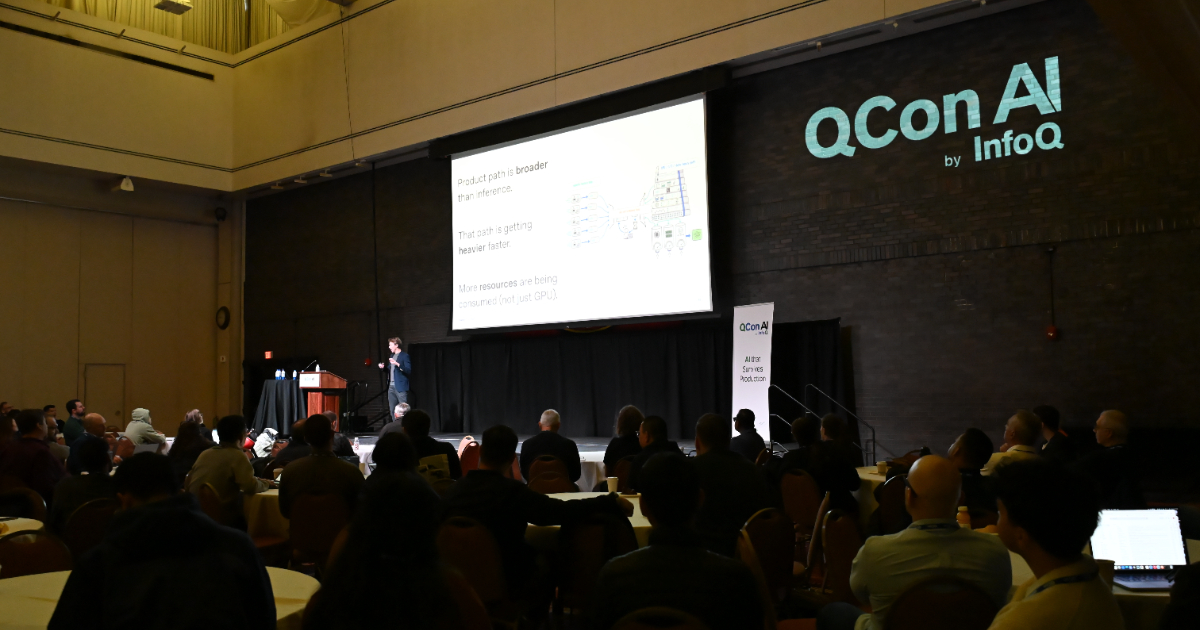
From Prompts to Platforms: Building the Infrastructure for Production AI
The operational reality of AI agents is finally taking center stage, and QCon AI Boston 2026 is where that conversation sharpens. The focus has shifted from what prompts can do to how we build dependable systems around them. We're talking about serious infrastructure: managing context effectively and wrapping agents in a security harness that keeps them safe in production. This is the unglamorous, essential work of making AI actually usable.

When Agents Outrun Billing, Your Cloud Costs Compound Before You Notice
A $14,000 AWS bill in one day. That's what a three-person agency faced after attackers lifted static access keys and burned Claude invocations on Bedrock. It's a stark reminder that cloud billing, built for human-speed mistakes, lags a full day behind agent-speed spend. When autonomous agents move faster than your guardrails, the cost isn't just computational; it's existential. Practitioners are right to warn us.

Oak emerges with $60M to solve AI-driven identity complexity
Oak is stepping out of stealth with $60 million in seed funding, and the timing couldn't be more telling. As AI agents increasingly fumble through identity and access, the mess they leave behind is becoming a real liability. Shai Morag, the cofounder, knows this space well, and Oak is positioning itself to clean it up. It's a practical, needed response to a problem that's only growing.