self-improving AI
Beyond Market Intelligence keeps self-improving AI in one place: 4 stories so far. The section currently leads with “An AI researcher's exit demands we explore safety over speed.”, “How AI taught itself to reduce misaligned behaviors across ten tests”, and “Mirendil partners with Google Cloud to accelerate self-improving AI research”. Anthropic researcher Jacob Coxon resigned with a stark warning: self-improving AI risks gambling with our lives. Ten benchmarks. Acme AI is the next-generation, AI-powered spreadsheet platform built to replace Excel and redefine how analysts, data scientists, and enterprise teams work… The list below is every self-improving AI story on Beyond Market Intelligence, newest first.

An AI researcher's exit demands we explore safety over speed.
Anthropic researcher Jacob Coxon resigned with a stark warning: self-improving AI risks gambling with our lives. His exit underscores a pressing need for pacing agreements between labs, a call we take seriously. This isn't about fear-mongering; it's about foresight. When brilliant minds step away to sound alarms, we should listen. Explore the Forrester Function to see how we approach complex systems, but here, the message is simpler: progress demands prudence, not just capability.

How AI taught itself to reduce misaligned behaviors across ten tests
Ten benchmarks. Ten wins. An Anthropic researcher just walked us through self-improving AI that fixed every targeted misaligned behavior without sacrificing overall performance. That is not incremental tinkering; that is the kind of progress worth paying attention to. It suggests we can build systems that actively refine their own judgment, not just follow static rules. For anyone tired of brittle tools, this is a signal to explore where the field is heading.

Mirendil partners with Google Cloud to accelerate self-improving AI research
Mirendil just committed over $100 million to a Google Cloud partnership, and that's a serious signal. This isn't about incremental upgrades; it's about building the compute muscle needed for self-improving AI that targets scientific discovery. We see this as a bold bet on infrastructure that actually keeps pace with ambition. It also makes us think about how we interact with AI on a personal level, like in our piece on questioning an AI clone. This deal could change what those tools are capable of.
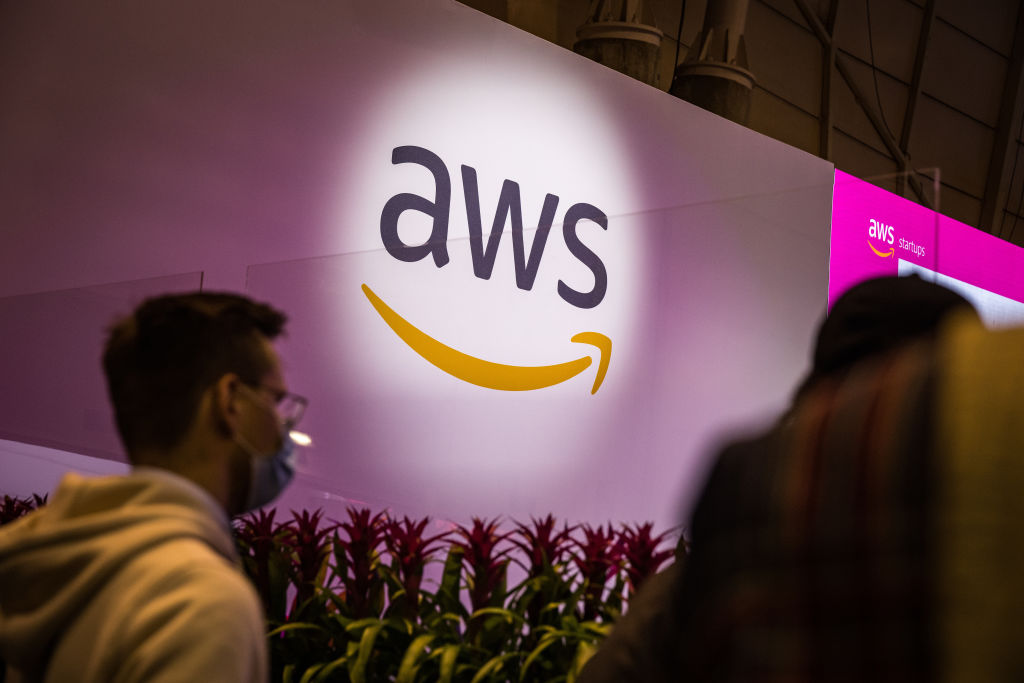
Recursive Superintelligence invests $410 million in compute to automate product development
Recursive Superintelligence just committed $410 million to Amazon for compute, and that number says more about their strategy than any product roadmap could. By steering what would traditionally go toward headcount and operations straight into infrastructure, they're betting that self-improving AI can automate its own development. It's a bold wager on a future where the company scales with algorithms, not armies. For anyone wrestling with how far AI can genuinely take over complex work, this deal reframes the question.