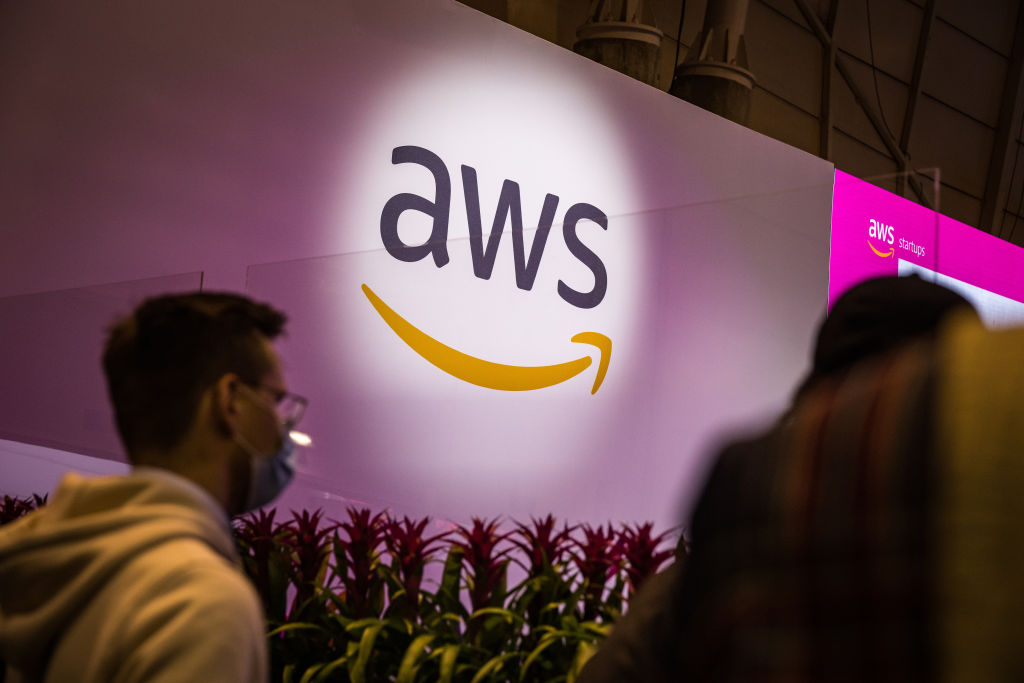
Recursive Superintelligence just signed a $410 million compute deal with Amazon, and the most telling detail isn't the number. It's where the money isn't going. The company is pouring resources into self-improving AI systems, deliberately skipping the traditional scaling playbook of hiring more engineers and building out operations. Instead, they're betting that compute, not headcount, is the real lever for automating their own product development. That's a bold wager, and it deserves a closer look than the usual "AI is eating software" headline.
For our readers, this is a practical signal about where the industry's center of gravity is shifting. We've written before about the mixed feelings that come with interacting with AI clones, and this deal sharpens that tension. If a company can genuinely automate its own engineering loop, the bottleneck stops being talent and starts being access to raw compute. That changes the calculus for anyone building on top of these models. You're no longer competing to hire the best minds; you're competing to secure the best hardware and the most efficient training pipelines. The practical guide to distributed algorithms we published earlier becomes more relevant by the day, because the difference between a $400 million deal and a failed one will come down to how well you can parallelize the work across thousands of chips.
Spending on compute is the easy part. The hard part is whether Recursive can actually deliver on the "self-improving" promise without turning into a black box. If their systems are truly writing and iterating on their own code, then the risk isn't just technical; it's existential for the team's ability to understand what's happening inside their own product. We've seen in our tax season piece how crucial it is to verify an AI's reasoning, especially when stakes are high. Scaling that verification to an entire autonomous development process is a problem most companies haven't even started to frame, let alone solve.
What we would tell a reader who asks, "Should I be worried or excited?" is this: watch what happens after the compute is deployed. The $410 million is a down payment on a philosophy, not a guarantee of results. The real question is whether Recursive can show measurable gains in speed or capability that justify the cost, or whether they'll end up like many before them, burning infrastructure cash while the human team struggles to keep up with the machine's output. The specific thing to track is their next public benchmark or product update. If they can demonstrate that their automated development cycle is producing features or fixes at a pace no human team could match, then the deal wasn't just bold; it was a blueprint. If not, it's a very expensive lesson in the limits of throwing silicon at a software problem.