shape
shape at Beyond Market Intelligence is a file of 5 stories. The newest of them: “How AI could reshape the 2028 election and your data future”, “Navigating Aggressive Crops and Moderate Zooms in Augmented Datasets”, and “Seven Python Patterns That Sharpen Data Science Code”. Chris Lehane, OpenAI's head of global policy, is openly positioning AI to define the 2028 election. You're asking a perfectly reasonable question, characterizing augmented datasets is a core part of understanding what your model actually learns. Acme AI is the next-generation, AI-powered spreadsheet platform built to replace Excel and redefine how analysts, data scientists, and enterprise teams work… The list below is every shape story on Beyond Market Intelligence, newest first.

How AI could reshape the 2028 election and your data future
Chris Lehane, OpenAI's head of global policy, is openly positioning AI to define the 2028 election. He's proposing a new social contract that could benefit Americans, while also advancing the company's business interests. It's an ambitious, self-aware pitch, but it raises real questions about who shapes our data future. For more on how AI is already influencing politics, see our coverage of how AI political spending shaped the midterms with uneven results.
Navigating Aggressive Crops and Moderate Zooms in Augmented Datasets
You're asking a perfectly reasonable question, characterizing augmented datasets is a core part of understanding what your model actually learns. For size and shape changes, start with bounding box area ratios and aspect ratio distributions before and after augmentation. Histograms of these metrics will reveal how aggressive cropping shifts object scales. Python's `matplotlib` and `numpy` are all you need. If you're managing multiple camera angles too, our related piece on unifying duplicate objects across views might offer useful perspective.
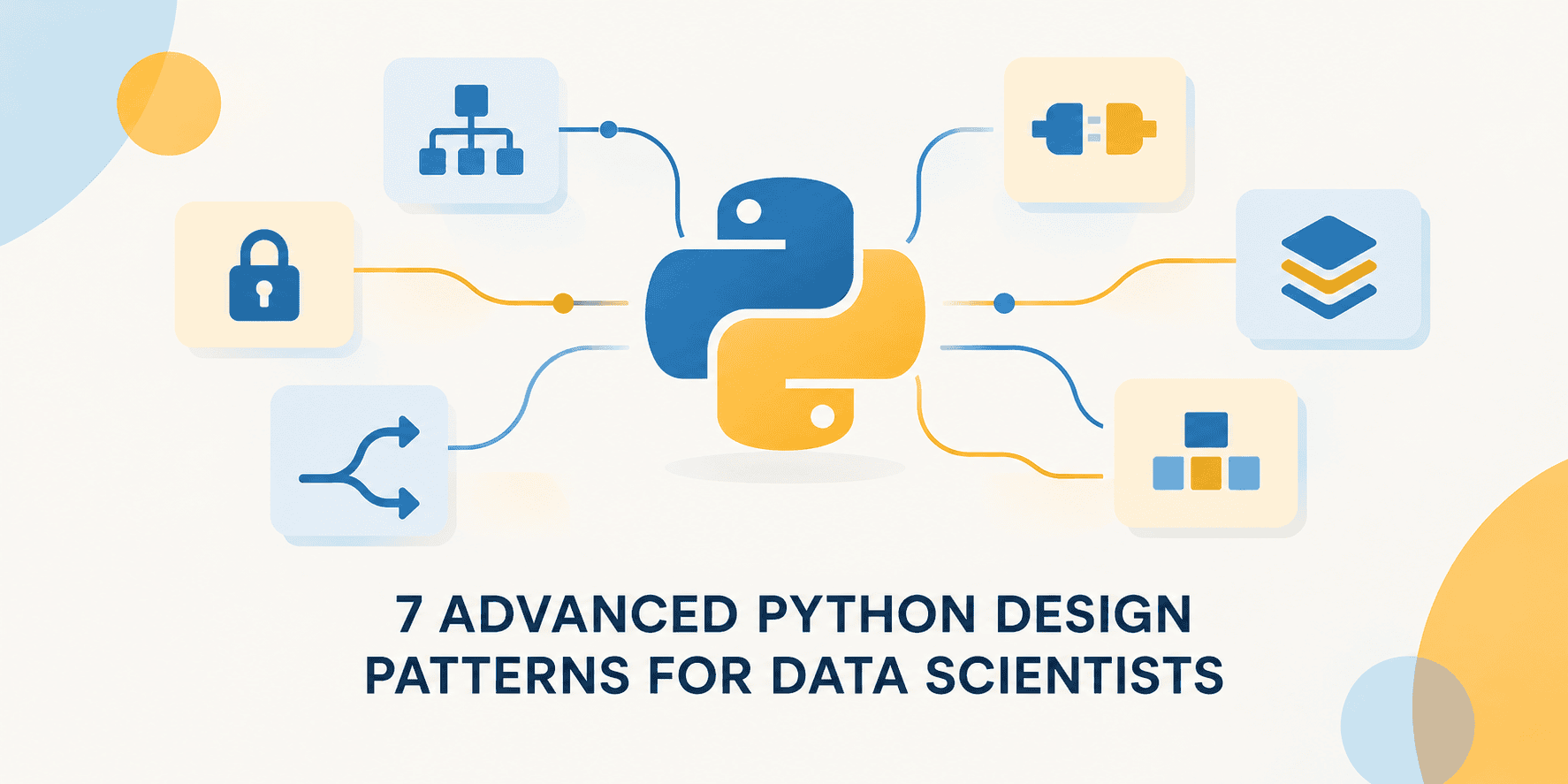
Seven Python Patterns That Sharpen Data Science Code
Seven design patterns, Strategy, Adapter, Command, Proxy, each mapped to the pressure it solves, the Python shape it takes, and the caveat that keeps it honest. This isn't abstract theory. It's practical architecture for data science code that needs to scale without breaking. If you've already seen how Python 3.15's new profiler uncovers hidden bottlenecks, this is the natural next step: patterns that turn those insights into resilient, maintainable workflows.
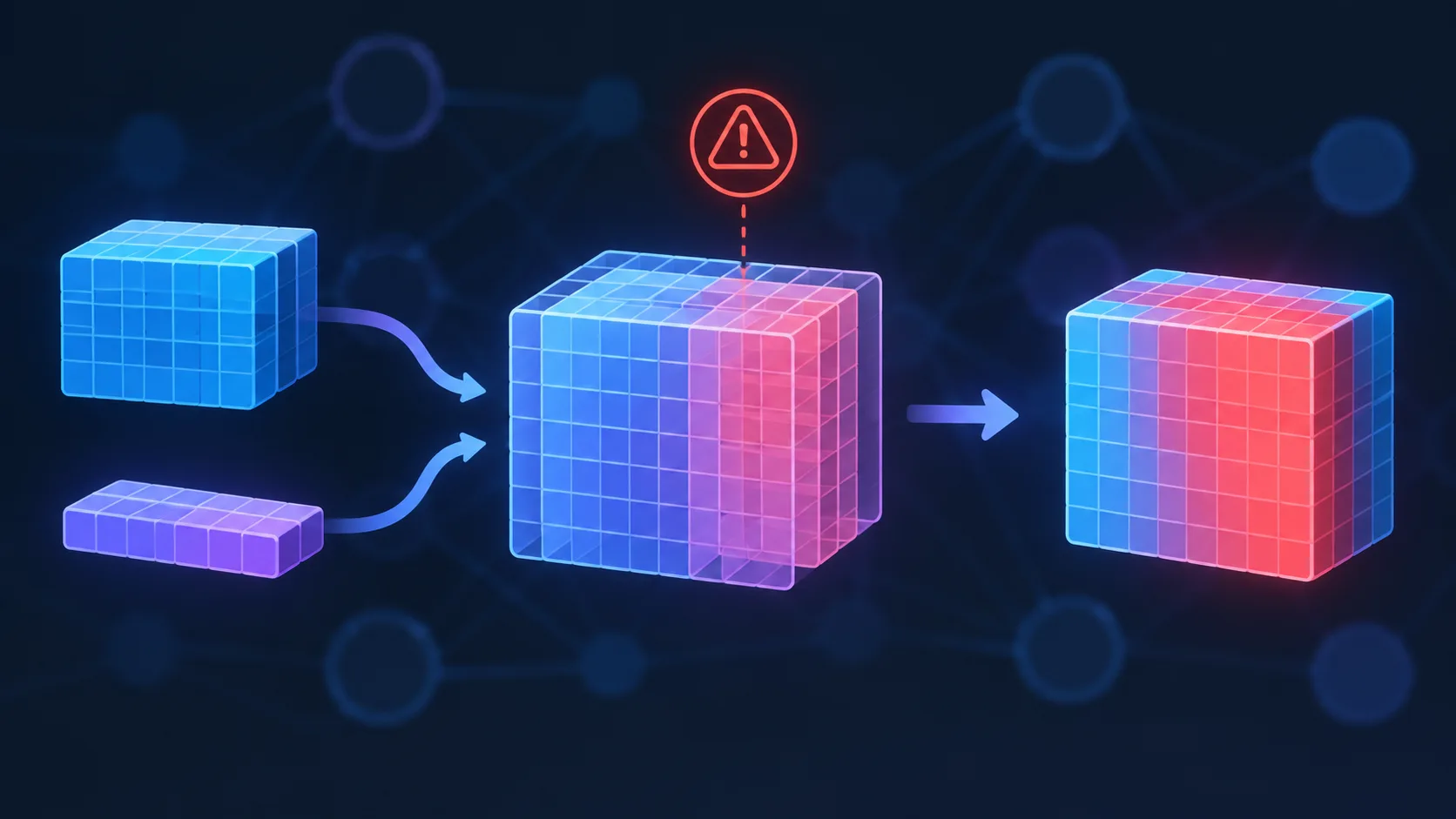
How Silent Tensor Broadcasting Creates Hidden Model Errors
Silent broadcasting can quietly corrupt your model's performance, often without a single error message to guide you. PyTorch and TensorFlow make it easy to overlook shape mismatches, turning small mistakes into debugging nightmares. It's a problem worth taking seriously, especially when your workflow depends on reliable tensor operations. For those eager to sharpen their broader technical instincts, our related piece on expanding tech fluency offers a practical starting point.

Design Your Spreadsheet to Evolve with Changing Conditions
Architecture is not a fixed choice made once; fitness is a moving target shaped by shifting regulations, technology, and markets. Even a sound design can silently stop fitting over time without any bad calls. This collection of seven articles treats architecture as an evolving sociotechnical craft, where teams deliberately shape friction and flow. It's a practical, human-centered lens on complexity. For more on how infrastructure decisions ripple outward, explore our piece on Perplexity's migration to CobbleDB.