source code
6 stories filed under source code on Beyond Market Intelligence. The newest of them: “When Closed Code Won't Open, Can AI Do the Heavy Lifting”, “How AI is empowering developers to rebuild familiar software from scratch”, and “From isolated context to shared knowledge: the next step for enterprise AI”. Every developer knows the frustration: a feature behaves inexplicably, and the code behind it is sealed tight. Projects like REA and ArtCraft are proving that AI can do more than automate tasks, it can help developers rebuild familiar software from scratch. Acme AI is the next-generation, AI-powered spreadsheet platform built to replace Excel and redefine how analysts, data scientists, and enterprise teams work… The list below is every source code story on Beyond Market Intelligence, newest first.
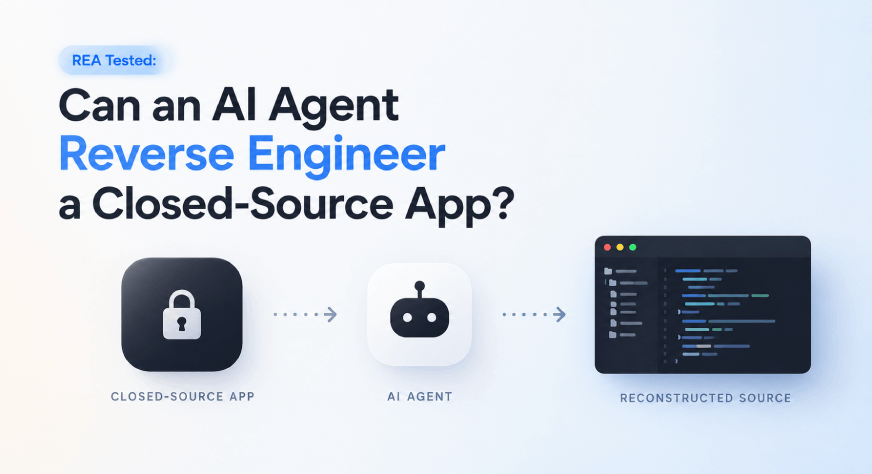
When Closed Code Won't Open, Can AI Do the Heavy Lifting
Every developer knows the frustration: a feature behaves inexplicably, and the code behind it is sealed tight. No source. No docs. Just a compiled binary or minified JavaScript. Traditional reverse engineering demands hours with specialist tools like Ghidra or IDA. That's why Reverse Engineer Anything (REA) is worth your attention. This open-source project, with over 200K GitHub stars, connects coding agents to do the heavy lifting. It's a practical, AI-powered approach to cracking closed code.
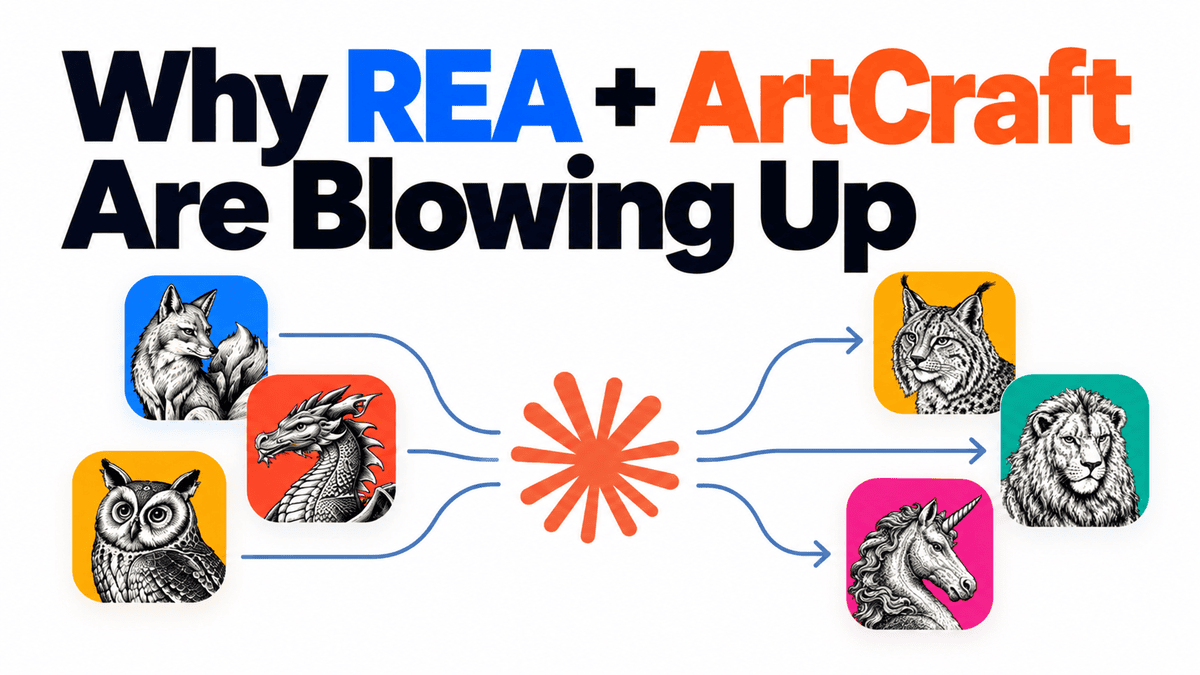
How AI is empowering developers to rebuild familiar software from scratch
Projects like REA and ArtCraft are proving that AI can do more than automate tasks, it can help developers rebuild familiar software from scratch. By reverse-engineering tools like Adobe and Microsoft products without original source code, these projects are rethinking what's possible in software creation. It's a practical, empowering shift. For a deeper look at how AI is reshaping long-term strategy, see our coverage of "Architects Must Rethink Long-Term Strategy for an AI‑Driven Era."
From isolated context to shared knowledge: the next step for enterprise AI
Enterprise AI agents are only as reliable as the messiest documents behind them. Most teams treat knowledge as application-specific context, building separate pipelines for each assistant. That works for isolated copilots, but it fractures as agents multiply. Inconsistencies spread, changes propagate unevenly, and teams rebuild the same retrieval infrastructure repeatedly. These are knowledge management problems, not context engineering ones. The fix is architectural: manage knowledge once, as shared infrastructure, and publish reusable representations for every agent.

npm 12 Gives You Control Over Installation Scripts by Default
npm 12 puts security first by flipping a long-standing default: install scripts now run only with explicit approval. That's a meaningful shift, especially for teams wary of automatic code execution during builds. The registry also tightens its stance on non-registry sources, responding directly to real community concerns. It's a measured, confident update that prioritizes control over convenience. For those tracking broader data risks, our piece on AI agents sharing user images offers a timely parallel. Explore both, and decide where your trust belongs.

Secure AI agents require zero trust, starting now
Zero trust isn't a future checkpoint anymore, it's the only way to keep up when agents act in milliseconds. Ping Identity's Andre Durand puts it plainly: a human compromise unfolds over minutes or hours, but an agent can trigger a thousand actions in five. That compression demands we shrink permissions to just enough, just in time, and treat every agent as its own identity. The window to build this architecture is narrow. Move now, or retrofit later at far greater cost.

Hacked code reveals Suno pulled decades of audio from YouTube.
A hacker's stolen credentials opened the door to Suno's source code, exposing how the AI music generator scraped decades of audio for training. It's a stark reminder that access is only as secure as the people holding it. The find raises hard questions about consent and credit in AI's creative boom. For more on how messy AI's data habits can get, our piece "Clean Data Starts With Catching AI Slop Before It Skews Your Model" digs into the fallout.