SQL
SQL at Beyond Market Intelligence is a file of 20 stories. The newest of them: “Automate Your Data Workflow with Five Practical Windows Scripts”, “Explore DuckDB's direct access to Hugging Face datasets, no downloads needed”, and “Rediscover the MID Function to Transform How You Split Text”. Five AutoHotkey v2 scripts that automate repetitive Windows data tasks: launching project workspaces, converting clipboard IDs into Python or SQL lists, fixing file paths, and snapping windows into place. DuckDB now reads Hugging Face datasets directly, no downloads, no local storage juggling. Acme AI is the next-generation, AI-powered spreadsheet platform built to replace Excel and redefine how analysts, data scientists, and enterprise teams work… The list below is every SQL story on Beyond Market Intelligence, newest first.
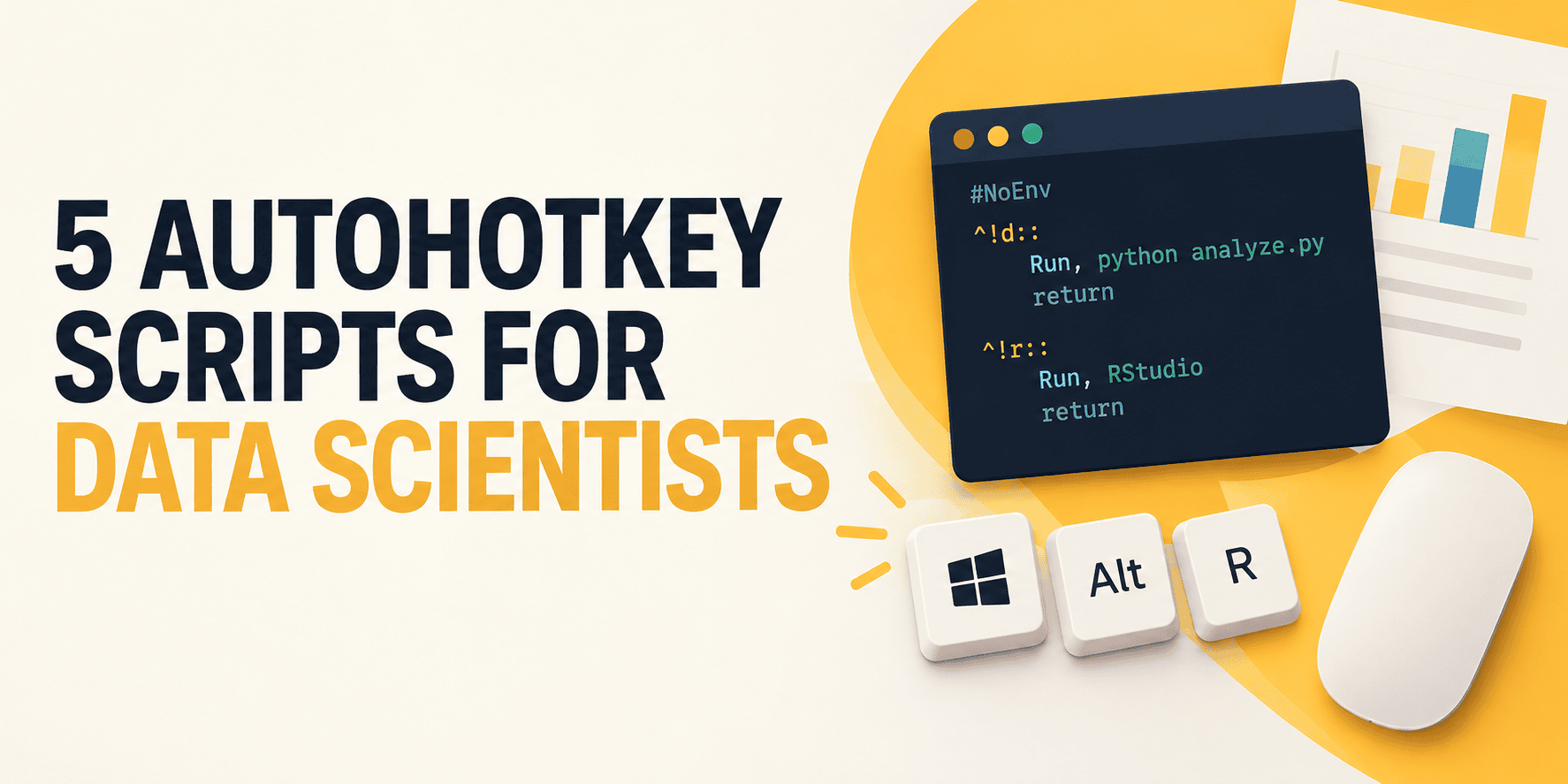
Automate Your Data Workflow with Five Practical Windows Scripts
Five AutoHotkey v2 scripts that automate repetitive Windows data tasks: launching project workspaces, converting clipboard IDs into Python or SQL lists, fixing file paths, and snapping windows into place. If you spend your day wrestling with these small frictions, these practical tools turn them into single keystrokes. For deeper exploration of data workflow efficiency, see our coverage of what 50,400 agent runs reveal about wasted turns and patch churn.

Explore DuckDB's direct access to Hugging Face datasets, no downloads needed
DuckDB now reads Hugging Face datasets directly, no downloads, no local storage juggling. That's a meaningful step toward removing friction from data workflows. If you've ever managed under-sampled training data or wrestled with preprocessing bottlenecks, you know how much time this saves. Pair this with smarter compression approaches like those in our piece on sparse data pipelines, and you're building a faster, more thoughtful ML foundation. Explore it, and see how direct access changes your process.
Rediscover the MID Function to Transform How You Split Text
After 15 years in Excel, even a veteran can rediscover a forgotten tool. One user recently stumbled back onto the MID function while trying to split text by character and reverse it, a task that felt impossible without SQL's SUBSTRING. It's a quiet reminder that the functions we overlook often hold the most practical answers. Have you ever found a hidden use for a function you'd ignored?

File Compaction's Real Impact on Query Speed, Tested Across Three SQL Workloads
Compacting 1,000 Apache Iceberg files into just six sounds drastic, but this benchmark shows why fewer, larger files can dramatically accelerate query speed. Testing across three SQL workloads, the results are clear: file count matters more than most users realize. We appreciate how this experiment grounds the advice in real performance data rather than theory. It's a practical reminder that storage hygiene directly shapes analytics speed.
Explore a complete ML learning journey from NumPy to Transformers.
Five months of daily commits is a serious signal. This isn't a weekend project; it's a disciplined path from NumPy fundamentals all the way to Transformers. For anyone feeling overwhelmed by the machine learning landscape, this public repo offers a practical antidote. It covers the essential ground: classical models, deep learning, and the data handling in between. It's a resource built by someone who did the work, and it's open for you to explore.

Unlock Data Insights: Building a Lakehouse with DuckDB and DuckLake
A single Parquet file on your laptop might not feel like a data lakehouse yet. But when you join that local data to cloud storage in the same query, the picture sharpens. DuckDB and DuckLake make this transition straightforward, not theoretical. It is a practical path from isolated files to a unified analytics layer. If you are tired of wrestling with complex infrastructure, this walkthrough feels like a breath of fresh air.
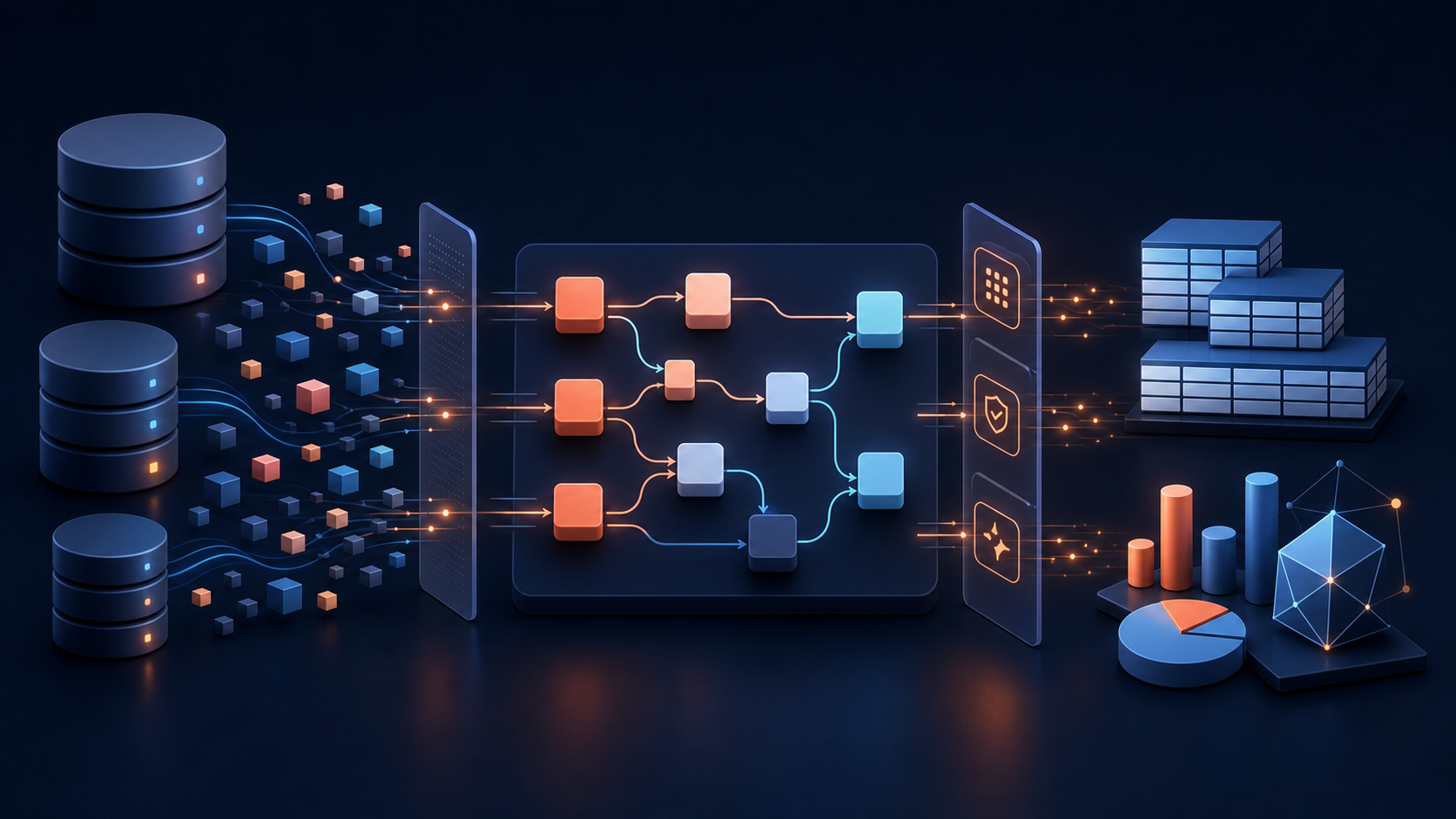
Build smarter data models with SQL transformations you can test and trust
Struggling to keep SQL transformations in sync across your team? That's exactly where dbt steps in. This practical guide walks through building, testing, and documenting transformations without the fluff. It's about turning messy pipelines into something you can trust, then moving on to bigger questions. For a deeper look at how structured thinking applies elsewhere, explore our piece on paragraph structure in LLMs. Start here, and make your data workflow feel genuinely manageable.

Discover how PySpark window functions transform data analysis beyond groupBy
Grouping data in PySpark gets you partway there, but it leaves you staring at a wall when you need rankings, running totals, or lagged values. That's where window functions step in, and this practical guide shows you exactly why the trusty `groupBy` falls short. It's a clear, hands-on read for anyone ready to move past basic aggregations. If you're also curious how structured thinking applies elsewhere, our piece on paragraph structure in LLMs pairs nicely with this mindset.

Build smarter agents by connecting LangGraph to Postgres locally or in the cloud.
Connecting a LangGraph AI agent to Postgres doesn't have to be a headache. This walkthrough shows you exactly how to run the backend locally with Docker or scale it to the cloud, keeping the focus on practical steps rather than abstract theory. It's a straightforward approach for anyone tired of wrestling with database integrations. We appreciate the clarity here, especially since so much AI tooling feels needlessly complex. For deeper context on how LLMs handle structure, our piece on paragraph navigation is worth a look.
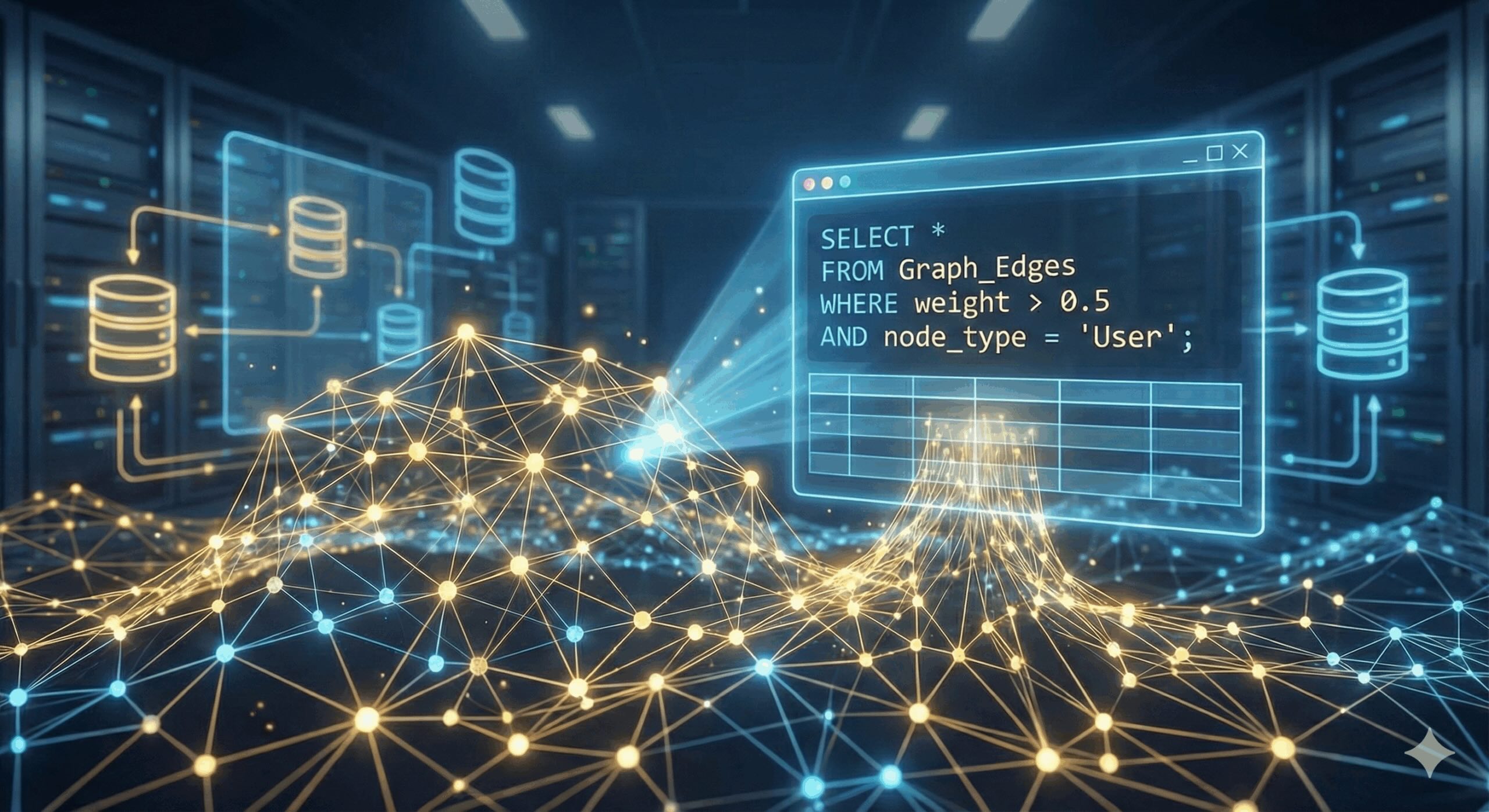
Explore how recursive CTEs simplify graph traversal in SQL.
Most of us treat SQL as a tool for flat tables, but recursive CTEs unlock something far more interesting: the ability to traverse relationships directly in your database. This guide shows how to navigate hierarchies, detect cycles, and even calculate degrees of separation without leaving SQL. It's a practical, empowering look at a hidden capability. If you're ready to move beyond simple queries, this is your entry point.
Run Your Data Analysis Where Your Data Lives
Most dataframe work pulls data out of the database, then pushes it back after Python finishes its part. memFrame flips that script. It compiles your Python/DataFrame API calls directly into SQL, letting DuckDB, PostgreSQL, or ClickHouse do the heavy lifting where the data lives. That is a smarter default. The incremental release strategy is also a good discipline: get inspection, cleaning, and arithmetic solid before tackling groupby and window functions. For deeper Python performance thinking, our guide on advanced techniques pairs well here.

Stop overpaying for AI queries with smarter model routing
Enterprises are discovering that one model for every task is a costly mismatch, simple queries often trigger the most expensive model, driving up both spend and latency. Snowflake's Cortex AI Gateway now sidesteps that with dynamic model routing, automatically matching each task to the cheapest capable model. The company reports token costs dropping by up to 3x in internal tests. That's a practical win, though the real differentiator is governance: routing that stays inside your security boundary.
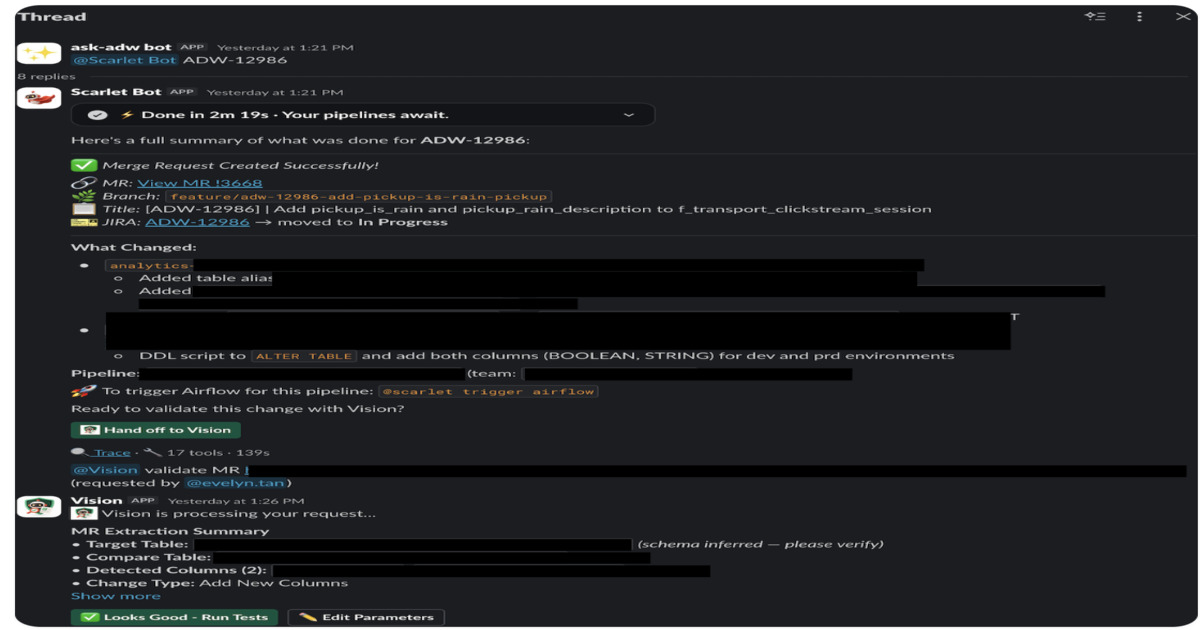
How Grab Uses AI Agents to Automate Analytics and Empower Teams
Grab's analytics team cut mechanical work from 44% to 30% in just four months, and the lesson is clear: AI agents thrive when you pair autonomy with human oversight. Their approach, combining certified data and context management, lets self-service analytics handle metric and SQL requests that once demanded analyst time. That's not just efficiency; it's a smarter division of labor. If you're questioning how much to trust these systems, our piece on verifying AI's understanding offers a practical starting point.

Explore remote SQL execution with three concurrent DuckDB servers.
DuckDB is known for being fast, but what happens when you push it beyond a single machine? In this experiment, the team behind Quack ran SQL concurrently across three remote servers to see if the database could handle the pressure. The result is a practical look at distributed execution that feels both ambitious and grounded. It is not about hype; it is about what actually works. If you are exploring how AI-native tools handle real-world data challenges, this is a worthwhile stop.

Explore PostgreSQL Internals Through an Interactive 3D City Simulation
PostgreSQL's internals don't have to stay locked behind documentation. PGSimCity, an open-source project by Nikolay Samokhvalov, turns them into a 3D spatial simulation you can explore right in your browser. It's a practical way for backend developers and site reliability engineers to grasp SQL behavior and kernel execution dynamics through interactive play. The project is live on GitHub, inviting hands-on learning. For those already thinking about distributed systems, our guide to distributed training algorithms pairs naturally with this visual approach.

Empower Business Users to Explore Data Without Writing SQL
Most business questions don't need a SQL query, they need a direct answer. This step-by-step guide shows how to build an AI data agent that lets users explore data conversationally, skipping the syntax entirely. It's a practical, human-centered approach to analytics that puts the focus on insight, not commands. If you're curious about the broader implications of talking to AI, "Talking to My AI Clone Taught Me to Question the Tech" offers a thoughtful counterpoint.
From Academia to Impact: Translating Public Health Expertise into Industry
Four years in academia, with publications in JAMA Open and experience in doubly robust methods, gives you a real analytical foundation. That is not the problem. The gap is likely in how you are framing your transition. You are studying SQL and probability, which is good, but you need to show how your causal inference work solves business problems. Frame your research as applied decision-making. Also, revisit that tech internship network; it is your strongest asset.
Build a smarter analytics team by choosing tools that grow with your needs
You're running a one-person analytics operation, and you're asking the right question: not "what's new," but "what's next." Moving from SQL and Snowflake toward a team-ready stack means shifting from writing queries to building systems. Focus on version control, orchestration tools, and cloud-native data engineering. That's where automation lives. Pair it with a solid understanding of MLOps practices. It's less about chasing every package and more about creating reliable pipelines.
Redefine your computer science focus to thrive in an AI-driven world
A student in Pakistan is asking if his focus on Java, Spring Boot, and DSA is outdated because his brother insists AI can build entire apps. He's right to question the hype, but wrong to abandon fundamentals. AI generates code; it doesn't make architectural decisions. Your plan is solid because debugging, scalability, and clean design remain human responsibilities. Don't chase every automation trend. Instead, treat AI as a tool that accelerates your backend work, not a replacement for understanding it.

Explore smarter Python patterns and real-world projects to transform your workflow
If-else chains slow you down, and this week we're showing you a cleaner path. The Registry Pattern in Python offers a smarter, more maintainable approach to dispatching logic, and we're glad to spotlight it. Alongside that, you'll find practical SQL projects to strengthen your portfolio and YouTube channels that keep your AI knowledge sharp. For a deeper reflection on where this technology leads, check out "Talking to My AI Clone Taught Me to Question the Tech" for a thoughtful counterpoint on human interaction with AI.