structured data
Beyond Market Intelligence keeps structured data in one place: 4 stories so far. The section currently leads with “Turn messy documents into structured data both people and AI can trust”, “Parse 5 brings structure to complex documents with precision and clarity”, and “From 60 years of databases to 18 months of agents, memory bridges the gap.”. Docling meets a familiar pain point: documents arrive messy, and everyone downstream ends up guessing at what a wall of extracted text meant. Extracting structured data from complex PDFs has long been a bottleneck for teams drowning in visual documents. Acme AI is the next-generation, AI-powered spreadsheet platform built to replace Excel and redefine how analysts, data scientists, and enterprise teams work… The list below is every structured data story on Beyond Market Intelligence, newest first.
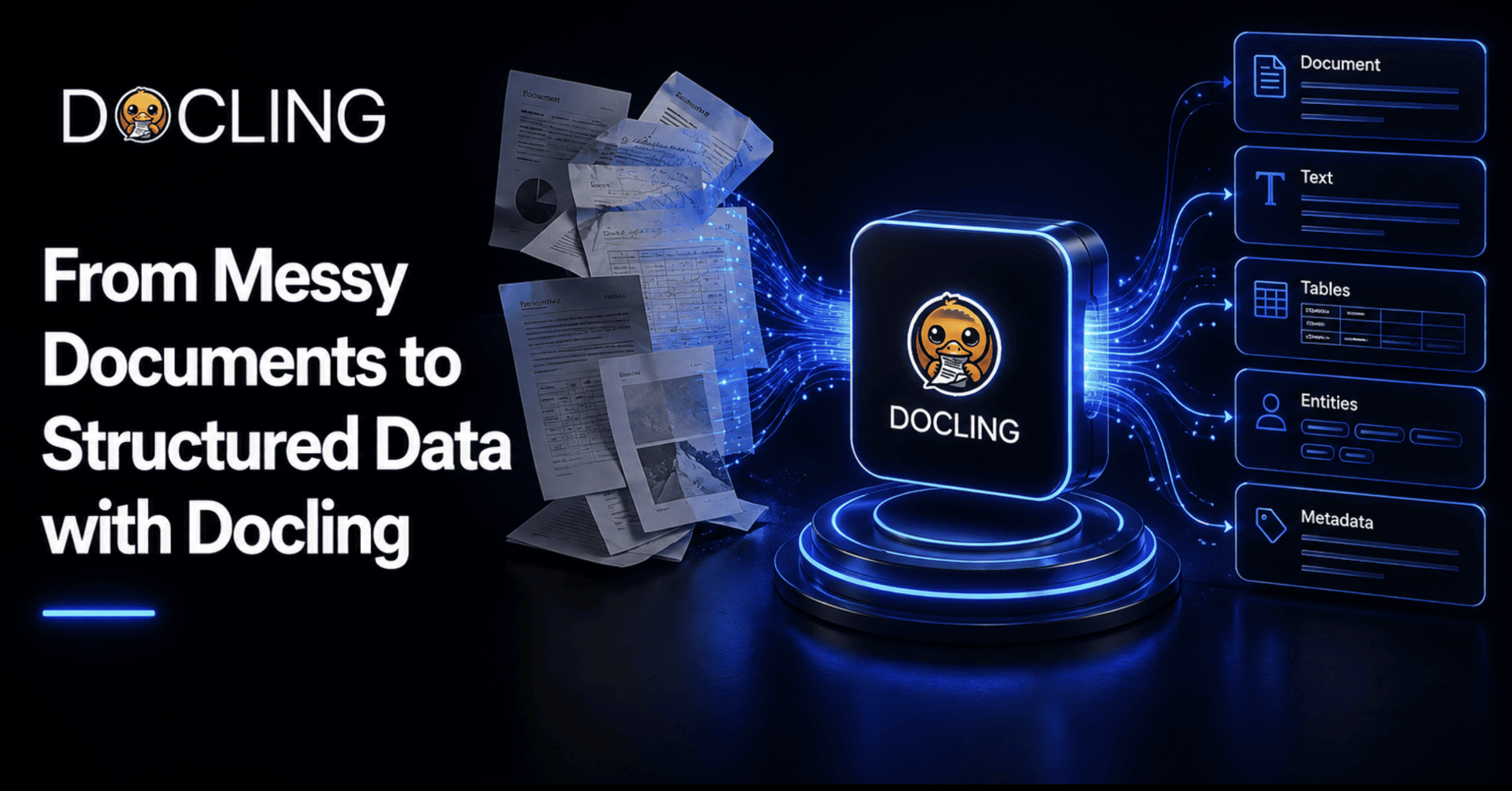
Turn messy documents into structured data both people and AI can trust
Docling meets a familiar pain point: documents arrive messy, and everyone downstream ends up guessing at what a wall of extracted text meant. It turns that chaos into one unified, structured representation both people and AI can rely on. That is the practical kind of transformation worth exploring. For deeper context on how AI handles messy data in practice, our related piece on Jev vs LLMs offers a useful comparison.

Parse 5 brings structure to complex documents with precision and clarity
Extracting structured data from complex PDFs has long been a bottleneck for teams drowning in visual documents. Cohere's Parse 5 takes a direct swing at that problem, using a 2.3-billion-parameter multimodal model to turn rich pages into Markdown while keeping spatial context through bounding boxes. Scoring 79.2 across over 2,000 enterprise pages, it's a solid, practical step forward. We're watching this space closely, especially alongside our look at retrieval benchmarking in "Measure Embedding Relevance: A New Approach to Retrieval Benchmarking."

From 60 years of databases to 18 months of agents, memory bridges the gap.
Six decades of database engineering. Eighteen months of modern AI agents. That ratio explains everything about the state of agentic development right now, we're not mid-curve, we're at its base. Token-maxxing already taught us the hard lesson: context is scarce, and stuffing it isn't strategy. The real answer is persistent, queryable memory, semantic, access-controlled, human-curated, that makes each expensive answer cheap next time. That's the architecture emerging.
Give your AI agents a single source of truth for business data
Pinecone's Nexus Engine is now generally available, and it's a practical answer to a messy problem: enterprise data that sits scattered and unstructured. Nexus compiles that business context into a queryable layer, so AI agents stop guessing and start working from curated knowledge. Teams ingest once, then reuse that context across agents, cutting token costs while boosting accuracy. That's a meaningful step toward tools that actually understand the work. For more on where this tech leads, our guide to distributed training offers useful context.