sustainability
sustainability at Beyond Market Intelligence is a file of 15 stories. The newest of them: “Ambrosia Energy's new Texas factory will power off-grid data centers around the clock”, “Fuel cells offer data centers a more efficient path to power”, and “FedEx places $300M electric truck order from logistics startup Harbinger”. Ambrosia Energy is building a massive Texas factory to produce batteries that pair with solar panels, creating a clean power plant that runs around the clock. Data centers are hungry for power, and fuel cells might be the most efficient way to feed them. Acme AI is the next-generation, AI-powered spreadsheet platform built to replace Excel and redefine how analysts, data scientists, and enterprise teams work… The list below is every sustainability story on Beyond Market Intelligence, newest first.

Ambrosia Energy's new Texas factory will power off-grid data centers around the clock
Ambrosia Energy is building a massive Texas factory to produce batteries that pair with solar panels, creating a clean power plant that runs around the clock. The goal is straightforward: keep off-grid data centers powered day and night, no fossil fuels required. It's a practical answer to a real constraint, and one more sign that clean energy infrastructure is moving from theoretical to industrial scale. For a deeper look at how innovation is reshaping entire supply chains, see our piece on Licube's lithium ambitions.

Fuel cells offer data centers a more efficient path to power
Data centers are hungry for power, and fuel cells might be the most efficient way to feed them. This startup claims its technology delivers exceptional efficiency while cutting fuel costs, a compelling pitch when every megawatt counts. The timing is sharp, too, given that batteries now outprice gas turbines for backup power. Efficiency isn't just a perk here; it's the path forward for an industry scrambling to scale without burning through budgets.

FedEx places $300M electric truck order from logistics startup Harbinger
FedEx just placed a $300 million electric truck order with Harbinger, a logistics startup now reportedly eyeing an IPO. It's the biggest deal Harbinger has ever landed, and it signals something important: legacy fleets are ready to move. This isn't hype, it's a concrete bet on practical, AI-adjacent innovation in logistics. For context on how capital is flowing into similarly focused ventures, see our coverage of BAG Ventures raising $11.3M to back AI startups built for real enterprise use.

Can giants like Amazon truly deliver on net-zero commitments?
Amazon's net-zero pledge is a promise made at a scale few others can fathom, and that scale carries weight. When a company this vast commits to eliminating emissions, the responsibility isn't just internal; it reshapes supply chains and industry standards. The question isn't whether Amazon can afford to try, but whether it can afford to fail. For a deeper look at how tech giants are tackling energy demands, our piece on Breakthrough Energy's startup funding offers useful context.

Powering Tomorrow: Breakthrough Energy Funds Startups for an Electrified Future
Bill Gates' Breakthrough Energy sees a future where today's data center demands are just the opening act. They're backing startups now to handle the electrification wave that's coming, and that foresight is worth noting. It's a bet on scale, not incremental tweaks. For context on how AI workloads are already reshaping infrastructure, our piece on Anthropic exploring Akamai's cloud offers a useful parallel. The takeaway? Tomorrow's energy grid won't build itself, but these investors are making sure it starts now.
Accelerating Research: Can Review Systems Handle AI-Driven Productivity?
ICLR 2027's submission surge is a clear signal: genuine ML research is accelerating, not just the noise. We're seeing ideas that once took days of coding collapse into hours, and the momentum is real. But this productivity boom forces a hard question about our review infrastructure. If we expect humans to keep pace with an exploding volume of contributions, we need to empower reviewers with agentic tools. Otherwise, the bottleneck shifts from discovery to evaluation.

For administrators seeking continuity, FreeCORE extends TrueNAS on FreeBSD.
TrueNAS CORE built its name on FreeBSD and OpenZFS, but the shift to Debian-based SCALE left a gap. FreeCORE steps in, upgrading TrueNAS CORE to FreeBSD 15.0 and restoring what some admins miss most: FreeBSD Jails. It's a focused solution for a specific need, not a universal fix. The catch is sustainability, one individual maintaining a project this complex raises real questions. For now, it's a compelling option worth exploring. Our piece on AI-driven research productivity shows similar trade-offs when innovation outpaces support.

Explore how Tesla invites you to manage your own Cybercab fleet.
Tesla is asking the public if they want to buy and operate Cybercab fleets, publishing a form Thursday that solicits interest in "Cybercab fleet vehicle purchasing." It's a smart, direct move. Rather than courting only big operators, Tesla is opening the door to everyday entrepreneurs who want in on the autonomous ride-hailing future. That's how adoption starts: by making the pitch accessible. For more on Tesla's broader momentum, our piece on the Semi's production ramp pairs well with this news.

Liux's tiny electric car proves sustainability can compete at any scale.
Liux's Big microcar is a small car with a large ambition: prove sustainability alone can carve out space in a crowded EV market. Built in Spain, this tiny electric vehicle leans into eco-conscious design as its core differentiator. That is a bold bet when Chinese rivals are flooding the segment with aggressive pricing. Still, it is refreshing to see a startup compete on values rather than just specs.

How urine could help address data center water consumption
Jason Kelce's joke about cooling data centers with urine is funny because it isn't that far-fetched. The idea challenges our reliance on potable water for industrial heat management, and that's a conversation worth having. It's not about literally rerouting restrooms, but about questioning the assumptions baked into our infrastructure. If we're serious about sustainable computing, we need to explore every viable alternative.

How home batteries became accessible and why that matters for you
Home batteries are suddenly cheap and everywhere, and that shift is worth pausing over. Companies like Tesla and Base Power are racing to claim their share of a market that's growing faster than most of us expected. One technology made it possible, and it's quietly changing what home energy can look like. This isn't hype; it's momentum. For anyone who's watched power costs climb or felt the limits of a grid, this is a story about real options emerging.

Amazon's Texas data center risks becoming the nation's top climate polluter.
Amazon's planned Texas data center includes an on-site power plant that could become the largest source of climate pollution in the United States. That is a striking outcome for a company positioning itself as a sustainability leader. It is worth asking whether the scale of AI's energy appetite is outpacing our responsibility to manage its footprint. For deeper context on how AI infrastructure decisions are shaping deployment strategies, our coverage of QCon AI New York offers useful perspective.

From Architectural Patterns to AI: Reclaiming Proven Engineering Wisdom
If you're tired of hearing that every tech trend is unprecedented, Holly Cummins offers a refreshing reality check. She argues that nothing is new under the sun, mapping historical architectural tradeoffs onto today's cloud, microservices, and AI hype. By connecting financial and technical debt to epistemic and sleep debt, she gives engineering leaders a practical framework for navigating shifting assumptions. It's a grounded, human-centered perspective that revives proven disciplines. For more on modern infrastructure challenges, explore our coverage of scaling sandboxes for concurrent AI workloads.

Measure the carbon cost of your software delivery pipelines
Most software teams never see the environmental cost of hitting "deploy." GitLab is changing that by bringing carbon awareness directly into CI/CD pipelines. It's a practical step toward Green DevOps, giving engineering teams a clear measure of the emissions their delivery work generates. That visibility matters. You can't reduce what you don't track. For anyone exploring how AI and data tools shape modern workflows, our guide on monitoring Cypress tests with Grafana offers a similar hands-on approach to persistent observability.
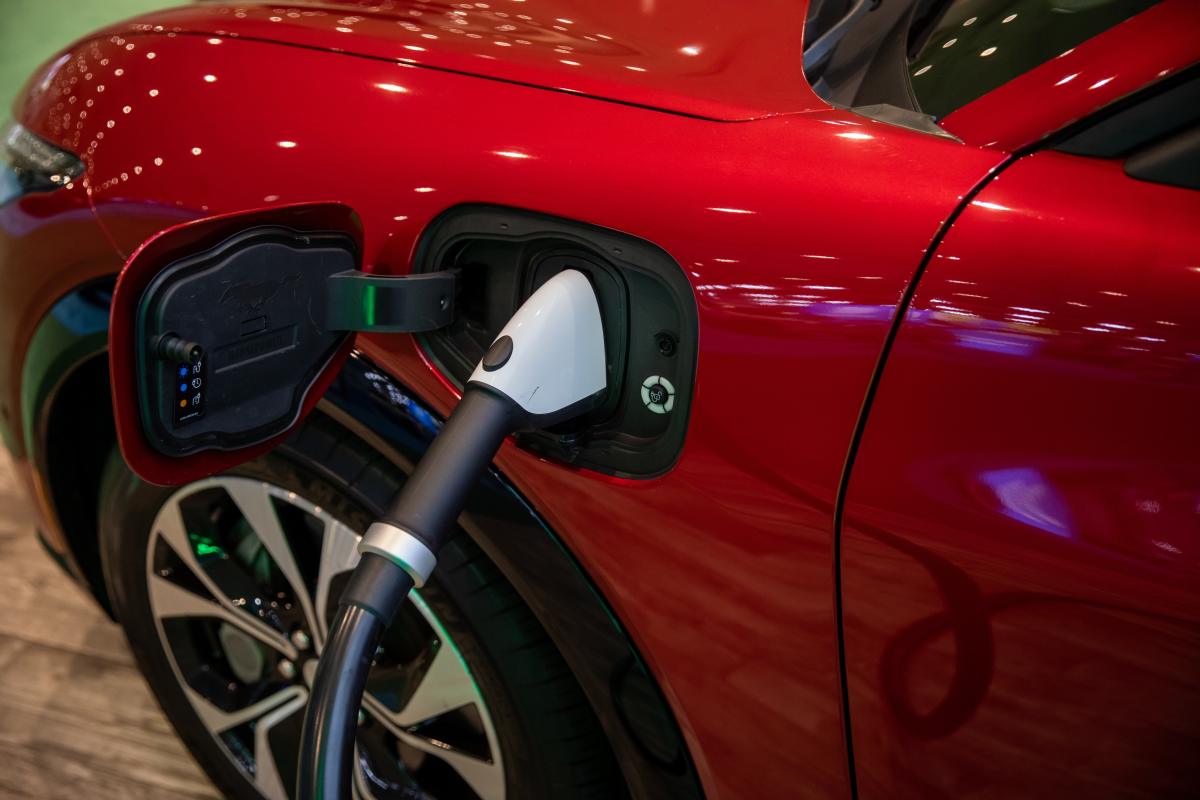
Data from a 600-mile road trip shows EV charging is finally reliable.
Six hundred miles in an EV used to mean a playlist of charging anxieties. But a recent road trip proved otherwise, as DC Fast charging across the U.S. has become notably faster and more reliable. That shift deserves attention, not because it's flashy, but because it removes a real barrier to adoption. For anyone hesitating, the data suggests the experience has quietly matured. It's an encouraging sign for practical, everyday use.