System Architecture
System Architecture on Beyond Market Intelligence: a running collection of 4 stories we have gathered and hand-picked because they are worth your time. Every post here touches on system architecture in some way — the news, the analysis, the deep dives, and the occasional surprise find. Acme AI is the next-generation, AI-powered spreadsheet platform built to replace Excel and redefine how analysts, data scientists, and enterprise teams work with data. New stories are added to this page as we find them, so check back if you want to keep up with what is happening around system architecture, or subscribe to the RSS feed to get them as soon as they are published. Browse the collection below, or head back to the homepage to see everything Beyond Market Intelligence is covering right now.

Building a Proper Backend for My LangGraph AI Agent
Moving beyond demo agents, building a robust backend for your LangGraph AI agent is crucial for handling real-world data, like booking information. This post details the practical steps to transform a prototype into a reliable system capable of persistent storage and retrieval. We'll explore key architectural considerations and best practices for ensuring data integrity and scalability. For broader insights into building AI safety systems at scale, consider “Presentation: SafeChat,” which details DoorDash’s approach to content moderation.

Prompt, Context, Loop: The Three Engineering Layers Every RAG System Is Built On
Every Retrieval-Augmented Generation (RAG) system, regardless of complexity, fundamentally rests on three distinct engineering layers: prompt, context, and loop. Understanding these layers—the call itself, the data populating the model's window, and the trigger for subsequent calls—is critical for both building and debugging effective RAG pipelines. This foundational breakdown clarifies how these components interact, empowering data professionals to optimize their AI-powered workflows. For a deeper dive into related AI applications, explore "How to control reasoning effort and thinking-token budgets in LLMs."
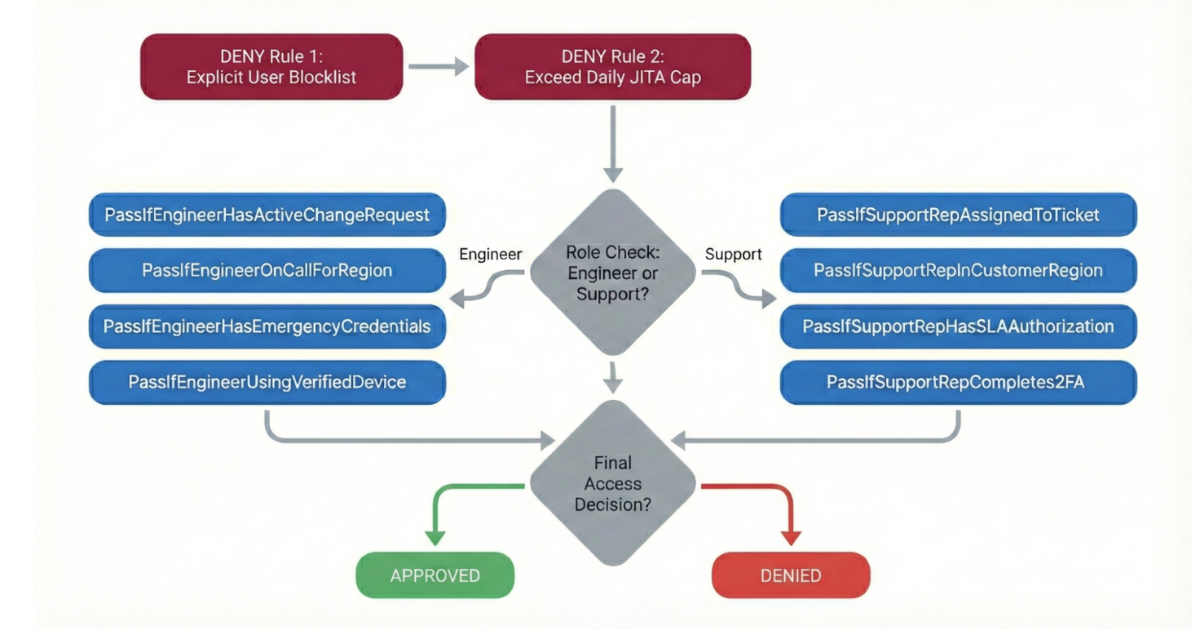
HubSpot Redesigns JITA Authorization with Rule Engine Architecture
HubSpot has significantly enhanced its Just-In-Time Access (JITA) authorization system, transitioning to a rule engine architecture for improved efficiency and governance. This redesign evaluates access requests through a structured, directed acyclic graph of rules, providing clear decision metadata and observability. The new system replaces complex conditional logic, empowering administrators with streamlined workflows and enhanced control. For further insights into the evolving landscape of identity security, explore our coverage of Okta’s recent acquisition of Permiso.
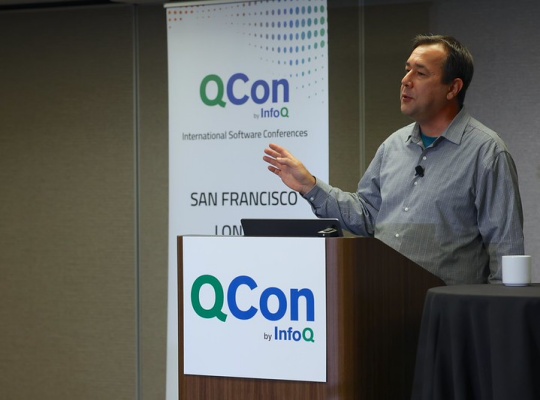
Presentation: Parting the Clouds: The Rise of Disaggregated Systems
The future of cloud databases is shifting. Murat Demirbas’s presentation, "Parting the Clouds: The Rise of Disaggregated Systems," explores this evolution, driven by the need for greater cost efficiency and scalability. Demirbas details how decoupling compute from storage—a concept foreshadowed by classical Paxos—unlocks elastic scaling and robust fault isolation. He analyzes the network tradeoffs and emerging self-assembling database designs shaping this transformative architecture. For deeper insight into related trends, explore "AWS Lambda's Self-Managed Code Storage" and its implications.