teams
teams at Beyond Market Intelligence is a file of 18 stories. The newest of them: “Design for Change: Keep Software Evolvable as Teams and Technology Shift”, “Let AI agents handle prospect research while your sales team focuses on closing”, and “Twenty Years of Platform Lessons: Building for Resilience Without the Complexity”. Software should adapt as teams and technology shift, static diagrams can't keep up. Prospect research eats up hours that should go toward closing. Acme AI is the next-generation, AI-powered spreadsheet platform built to replace Excel and redefine how analysts, data scientists, and enterprise teams work… The list below is every teams story on Beyond Market Intelligence, newest first.
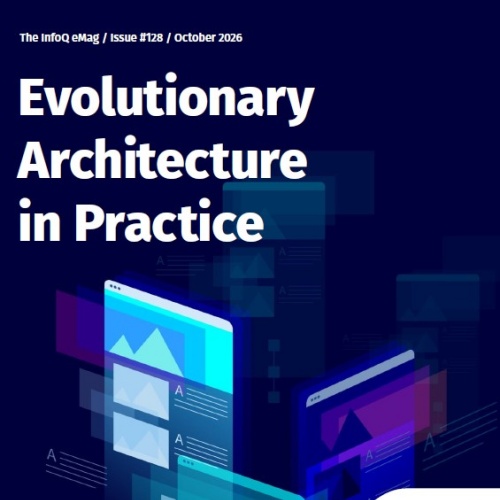
Design for Change: Keep Software Evolvable as Teams and Technology Shift
Software should adapt as teams and technology shift, static diagrams can't keep up. This edition of *Design for Change* explores agentic fitness functions that catch semantic drift, treats human comprehension as a core design metric, and builds cross-cloud guardrails for regional autonomy. It aligns technical boundaries with Conway's Law, turning change into something safe and intentional. For deeper coverage, Benchmark's piece on the fading rule against funding rivals offers a parallel look at how old constraints are giving way.

Let AI agents handle prospect research while your sales team focuses on closing
Prospect research eats up hours that should go toward closing. Floqer hands that work to AI agents, letting your team spend its energy where it matters: building relationships and sealing deals. It is a familiar pain for anyone in sales or revenue operations. The fix is not another dashboard. It is automation that actually works. For more on how AI agents operate in the wild, our coverage of Apate.ai shows them going undercover to learn from scammers.

Twenty Years of Platform Lessons: Building for Resilience Without the Complexity
Twelve principles. That's what Matthew Liste distills twenty years of platform engineering into, a practical framework for building scalable, reliable infrastructure without drowning in complexity. His focus on avoiding technical debt, managing deprecation, and nurturing engineering culture speaks directly to the tension senior architects feel daily. This isn't about abstract theory; it's about streamlining developer workflows and delivering lasting value. For those wrestling with legacy systems, his approach feels like a clear path forward.

Self-Service GPU Metrics Bring Team Clarity Without Cross-Team Exposure
Adobe engineers have shared an open-source approach that gives teams self-service access to their own Prometheus metrics in multi-tenant Kubernetes environments, without exposing other teams' data. That is clarity without compromise. For teams feeling constrained by shared infrastructure, this is a practical step toward autonomy. It's the kind of focused tooling that empowers teams to move faster. If you are exploring how AI agents handle memory, our article on open-source tools for lasting context may interest you next.

Empowering Collaboration: How Shared Standards Transform Engineering at [Bank Name]
Platform teams often get treated like infrastructure, but they're really the cultural backbone of engineering. At [Bank Name], shared standards aren't just process; they're the structure that lets open support sessions and super user awards take root. Developers depend on the platform, and the platform depends on them. That's a mutual loop, and it only moves forward when everyone commits to common ground. It's a practical, human way to build an engineering mindset.
Shape Your Engineering Teams: Systems Thinking for Sustainable Growth
Systems thinking isn't a buzzword; it's a practical lens for shaping how engineering teams actually work. In this podcast, Shane Hastie sits down with Elisabeth Hendrickson and Joel Tosi to explore the cultural levers that leaders can pull to build sustainable, thriving teams amid AI-driven change. It's a grounded conversation about moving beyond quick fixes. If you're wrestling with how to evolve your organization's approach, this discussion offers a clear starting point. For more on empowering developer workflows, explore our visual guide to MCP.
Keep your formulas intact while teams copy rows freely
Protecting formula columns while keeping rows editable is a puzzle many spreadsheet users know well. This user faces a familiar tension: they need columns P and V locked down with formulae, yet the protection blocks the cut-and-paste workflow that keeps monthly data organized. Their three-step workaround is a clear sign the current setup isn't sustainable. The real issue isn't hiding formulae or tweaking settings; it's that protection and row movement don't mix.

Trace AI agent failures with session logs and cost guardrails
When an AI agent fails, the problem often isn't the model itself but the trail it leaves behind. Session traces and cost controls are emerging as practical observability tools, helping teams catch tool-call loops and runaway spend before they spiral. Preserving execution context for post-incident debugging is the real win here. It's a grounded, human-centered approach to a messy problem. For more on how AI systems can misstep, our piece on verifying understanding during tax season pairs well with this.

From Product Focus to Value Centers That Empower True Agency
Autonomous teams have become an article of faith in software development, but that faith often overlooks a critical tension. The shape of our value determines what we can do, including the trade-off between agency and coherence. Ben Linders suggests we move beyond product focus entirely, toward value center thinking. It's a practical reframing that puts purpose first. If you're exploring how teams actually organize around outcomes, this is a worthwhile perspective.

Wonderful secures $550M to accelerate product development and meet growing demand
Wonderful just closed a $550 million Series C that more than doubles its valuation to $5B in under six months. That kind of acceleration signals real market appetite, not hype. The company plans to channel the funding into faster product development, expanding its FDE teams, and keeping up with demand. It's a decisive move for a team clearly focused on scale. For context on how AI-native momentum is reshaping investment, our piece on the $5.75B surge in AI-native companies is worth a look.
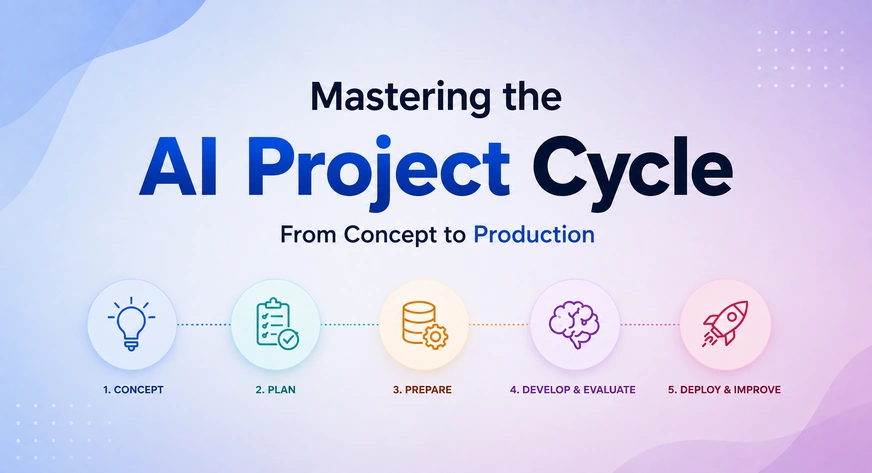
From Problem to Production: Navigating the AI Project Lifecycle
Picking a model and feeding it data is only the beginning. Real AI projects demand a structured path, one that starts with the right problem and carries through to deployment, monitoring, and refinement. That journey is the AI Project Cycle, and this piece breaks it down clearly. We appreciate how it frames the process as an accessible roadmap rather than a maze. If you are ready to go deeper, our guide to distributed algorithms offers a practical next step for those scaling their efforts.
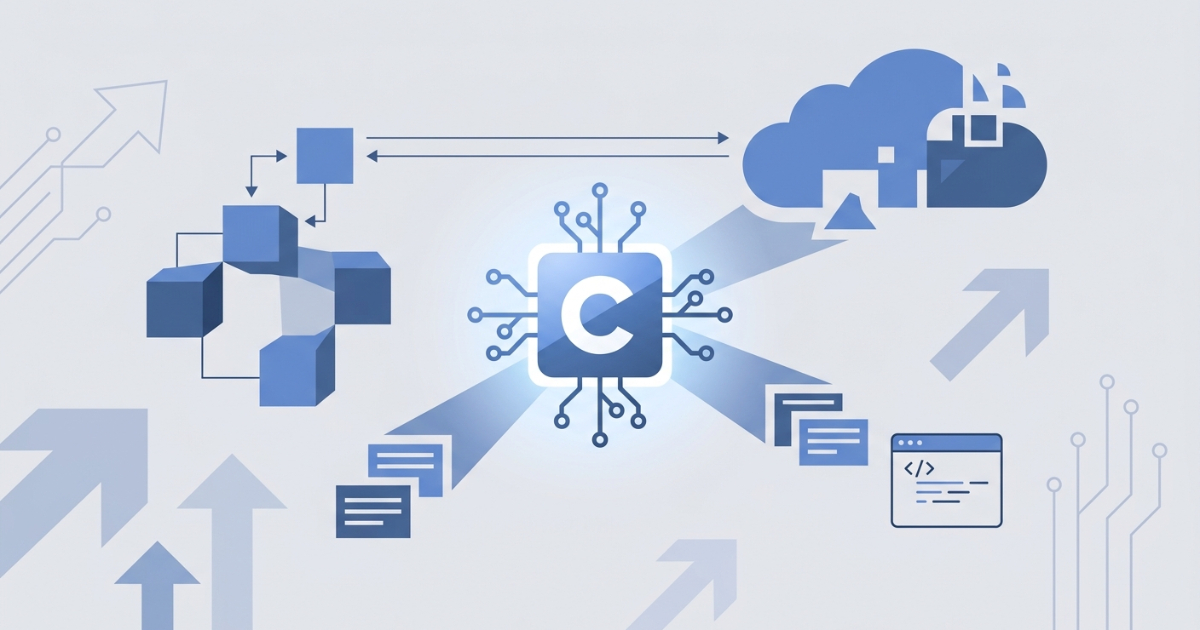
Code hosting meets AI collaboration with Cursor's new Origin platform
Cursor just planted a flag in the heart of its own ecosystem. Origin, a git-based hosting platform built directly into the editor, moves code management out of the browser and into the flow of work. It's a confident bet: teams that live in Cursor shouldn't have to leave to push, review, or merge. The early beta on Pro, Teams, and Enterprise plans signals a serious play, not an experiment.

Design Your Spreadsheet to Evolve with Changing Conditions
Architecture is not a fixed choice made once; fitness is a moving target shaped by shifting regulations, technology, and markets. Even a sound design can silently stop fitting over time without any bad calls. This collection of seven articles treats architecture as an evolving sociotechnical craft, where teams deliberately shape friction and flow. It's a practical, human-centered lens on complexity. For more on how infrastructure decisions ripple outward, explore our piece on Perplexity's migration to CobbleDB.
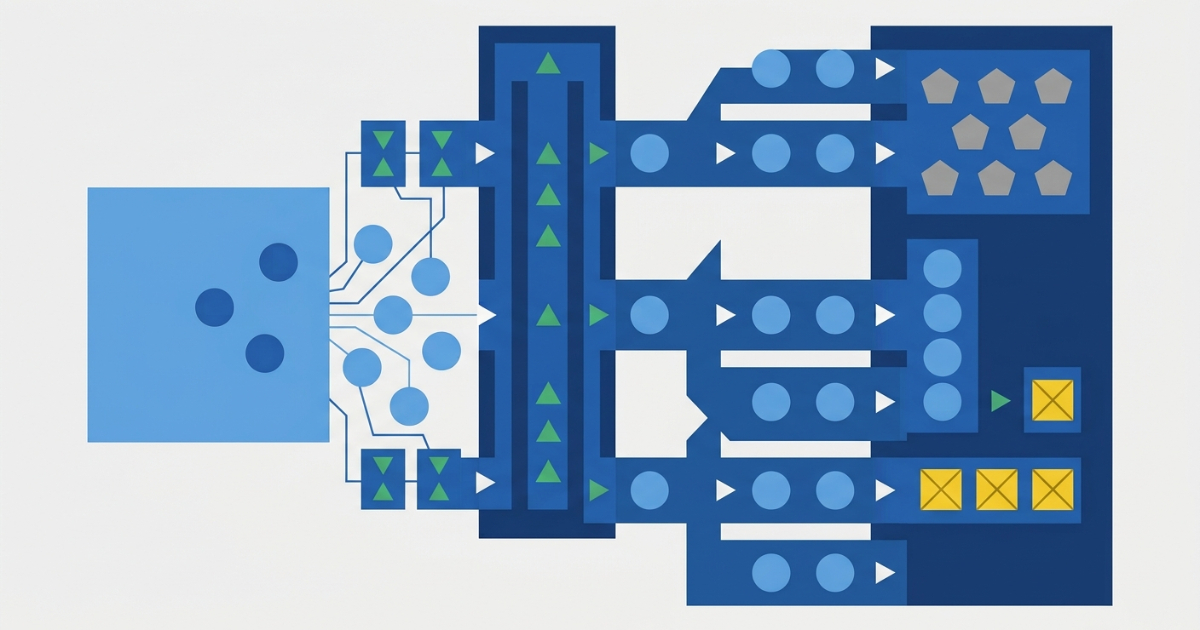
Mirror registries on your terms with Flux's declarative plugin
Flux Mirror gives teams a straightforward way to keep their software supply chain under their own control. This new CLI plugin, part of Flux v2.9, mirrors container images, Helm charts, and OCI artifacts between registries using a declarative configuration. The point is practical: keep Kubernetes clusters reconciling only from registries your team actually operates. That is a sensible, deliberate step toward reducing reliance on external sources.
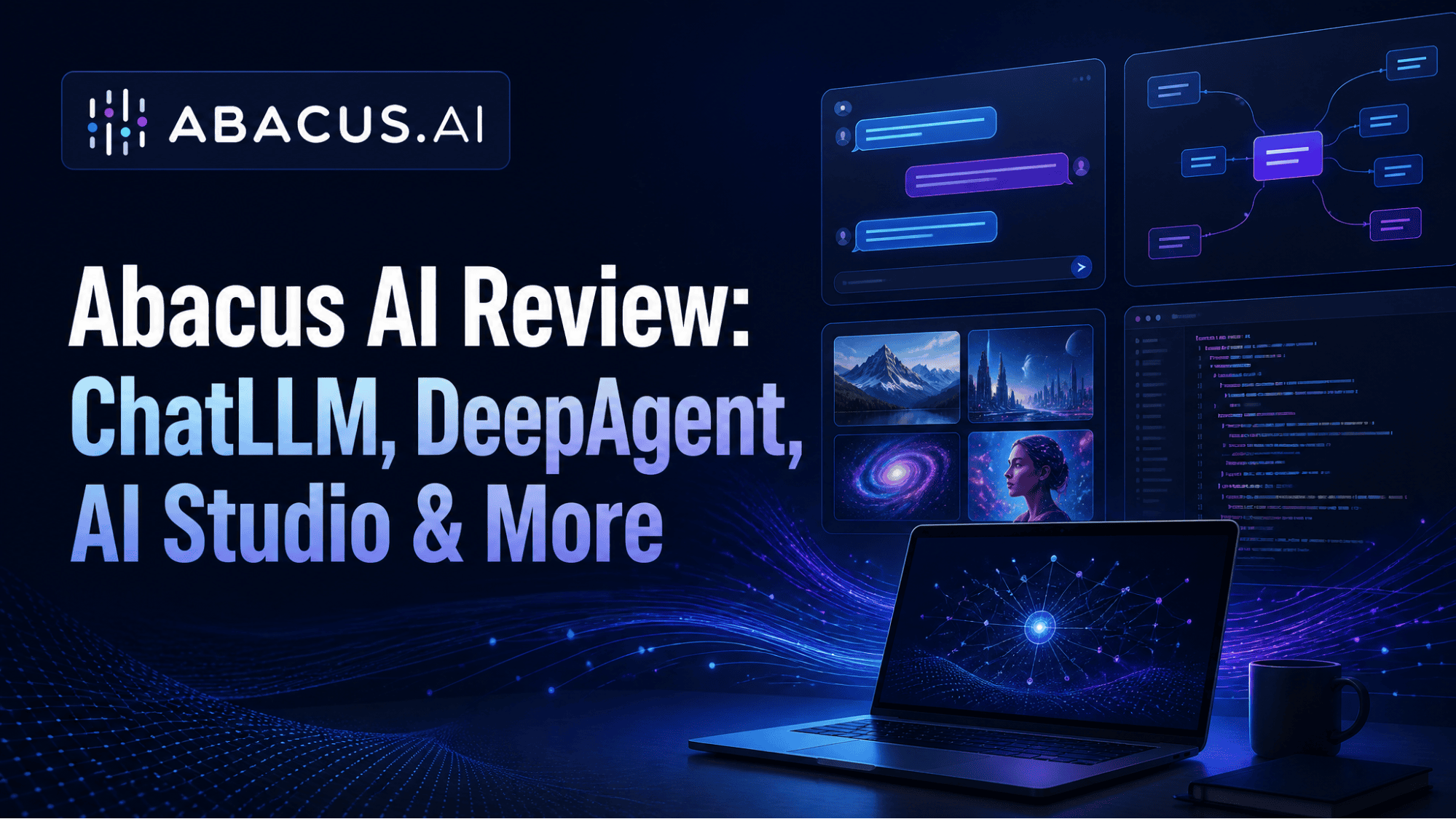
Explore Abacus AI's unified ecosystem for smarter, simpler workflows.
Abacus AI isn't just another AI toolkit; it's a serious answer to the chaos of juggling multiple subscriptions. This review breaks down how its ecosystem, from ChatLLM to DeepAgent, consolidates over 100 models and a full developer suite into one workflow. We're impressed by the focus on cost-effectiveness for teams, and the depth here invites real exploration. For a broader perspective on how AI tackles complex problems, our piece on AI Models Complete Turing's Codebreaking Legacy offers a fascinating parallel.

From Patience to Impact: 8.5 Years of Machine Learning Insights
Eight and a half years in machine learning teaches you that the models are the easy part. The real work is patience, optimism, discipline, and learning to trust the people building with you. This reflection from Towards Data Science doesn't oversell the wins; it sits in the messy, human reality of the craft. If you are early in your own path, this is a grounding read. And for another angle on structured thinking, explore the Forrester function piece we published alongside it.

Discover how Buzz brings humans and AI agents into one conversation.
Jack Dorsey is taking on Slack with Buzz, a group chat platform built for teams and their AI agents to work side by side. It's a bold move that puts humans and automation in the same conversation, not separate corners. We've been exploring this territory before, like in our piece on questioning AI clones, and Buzz feels like a natural next step. For teams tired of juggling tools, this could simplify how work actually gets done. Worth a closer look.

Unlock AI's true ROI by empowering teams, not just individuals
Atlassian's research points to a truth most organizations haven't caught yet: AI delivers value at the team level, not just for individuals. Dr. Molly Sands and her team found that while 89% of executives see individual speed improving, only 6% can name clear ROI. That gap is telling. The teams that succeed share context, redesign workflows, and build a learning culture. It's a practical, human-centered approach. For more on questioning AI's limits, see "Talking to My AI Clone Taught Me to Question the Tech."