techcrunch
techcrunch at Beyond Market Intelligence is a file of 34 stories. The newest of them: “Grok Lite users encounter unexplained gibberish responses”, “Explore how electric air taxis are reshaping urban mobility infrastructure.”, and “U.S. courts will now share how often spyware is authorized.”. Something's gone sideways over at Grok. Electric air taxis are charting a new course, and the shift in flight paths signals more than just navigation updates. Acme AI is the next-generation, AI-powered spreadsheet platform built to replace Excel and redefine how analysts, data scientists, and enterprise teams work… The list below is every techcrunch story on Beyond Market Intelligence, newest first.

Grok Lite users encounter unexplained gibberish responses
Something's gone sideways over at Grok. Users running Grok Lite have reported receiving gibberish responses since Wednesday morning, with the issue apparently persisting into the week. It's a frustrating snag, especially for those leaning on the lighter model for quick, reliable answers. When a tool promises simplicity, glitches like this undercut the trust you're building. We'd expect a faster fix, but it's a reminder that even the most innovative systems hit rough patches.

Explore how electric air taxis are reshaping urban mobility infrastructure.
Electric air taxis are charting a new course, and the shift in flight paths signals more than just navigation updates. It points to a maturing industry learning to weave into the urban skyline. We are watching a sector move from concept toward commute, and that transition deserves a closer look. For deeper context on how digital infrastructure is evolving alongside these vehicles, Cloudflare's Blog Finds Performance Gains with EmDash offers a useful parallel.

U.S. courts will now share how often spyware is authorized.
The Administrative Office of the U.S. Courts confirmed to TechCrunch that it will begin publishing how often judges authorize spyware for wiretapping suspected criminals. That is a meaningful step toward transparency, and it arrives as broader questions about digital surveillance and data privacy dominate the conversation. We have covered related concerns before, including how AI agents shared user images in OpenAI's research environment, a reminder that oversight often lags behind technological reach.

How AI is quietly reshaping the future of mobility
Zoox is gearing up for its long-promised launch, and Uber is quietly building what looks like an AV empire. Both moves signal that the autonomous vehicle race is entering a more deliberate, commercial phase. We're watching how these efforts unfold because the next few months will reveal whether the hype translates into real road presence. If you're curious about the human side of this AI shift, our piece on talking to an AI clone offers a useful counterpoint.

Eight startups emerge ready to transform data management
The Startup Battlefield team has made its call, and eight Australia-based startups are stepping into the spotlight. This is where practical innovation meets real-world grit, and we are here for it. If you feel constrained by traditional data tools, exploring how these founders are reshaping workflows is a smart move. For deeper context on the tech landscape they are entering, our guide on unlocking AI's enterprise potential offers a solid foundation. These pitches are worth your attention, so dig in.
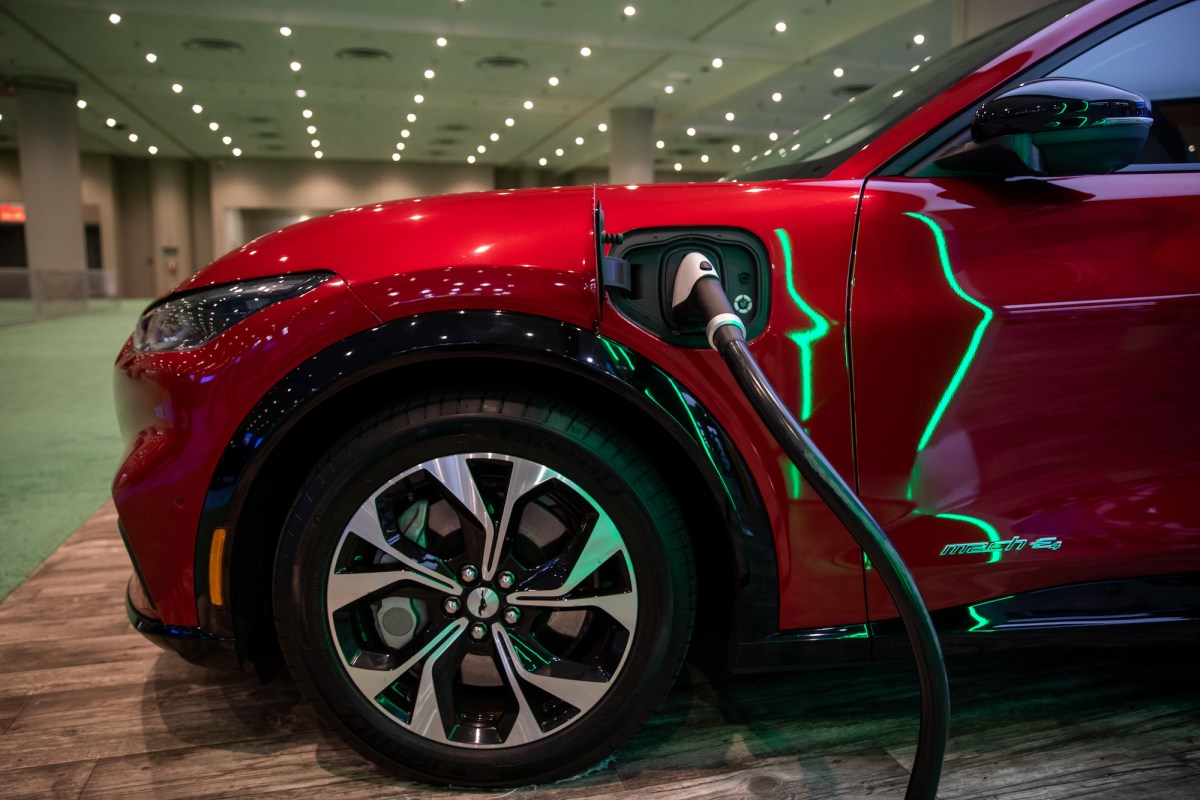
Legacy automakers shift focus as EV mentions drop to pre-pandemic levels
GM and Ford are mentioning EVs on investor calls at pre-pandemic rates, a clear signal that the electric vehicle hype cycle is cooling. The data from TechCrunch and Hudson Labs shows these automakers are pulling back from the aggressive EV narrative, but that is not a retreat from reality. It is a recalibration. For users exploring the future of data-driven decisions, this is a moment to watch.

Navigating the future of robotaxi rules with clarity and purpose
Robotaxi rules are turning into a battlefield, and that's exactly where things get interesting. The fight over who gets to deploy self-driving vehicles isn't just about technology; it's about trust, safety, and who decides what's acceptable on public roads. We're watching regulators and innovators circle each other, and the outcome will shape how we move for decades. If you're questioning how AI fits into this mess, you're not alone. It's a messy, necessary conversation, and we're here to break it down.

A handful of engineers can reshape enterprise data workflows
Can a handful of engineers really replace an army of consultants? That's the bet behind Ode with Anthropic, the joint venture embedding forward-deployed engineers directly into enterprise firms. Backed by Anthropic, Blackstone, and Goldman Sachs, among others, it's a lean, confident wager on AI's power to transform how businesses operate. On the latest Equity episode, Rebecca Bellan speaks with Ode's Chris Taylor and Eddie Siegel about taking on that challenge.

Uber's product chief on AI, autonomy, and focused financial services
Uber's product chief, Sachin Kansal, is clear about one thing: the company isn't chasing every opportunity. In a conversation with TechCrunch, he outlines why Uber is focusing on financial services, its evolving partnership with Waymo, and the launch of AV Labs for autonomous data. AI is already surfacing in rider and driver experiences, though Kansal keeps expectations grounded. It's a measured approach, and it's refreshing. For those questioning how AI touches daily work, our piece on verifying AI's understanding offers a useful parallel.