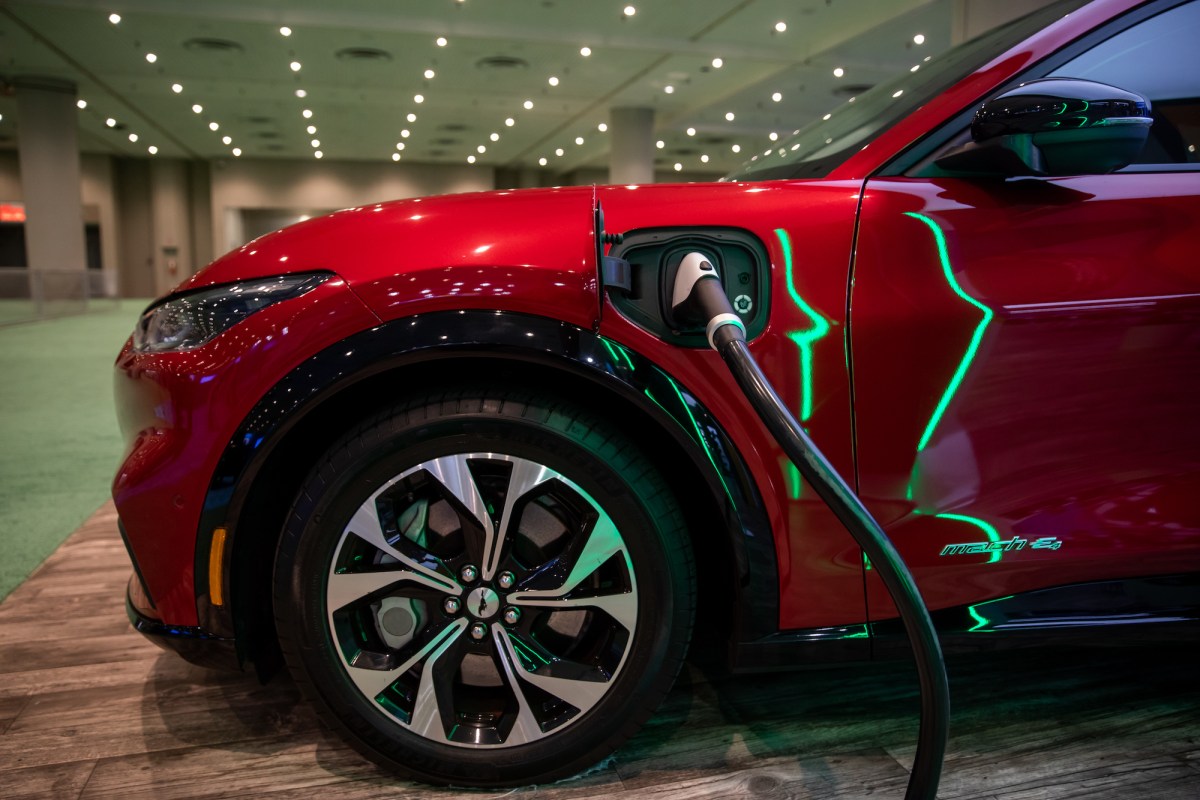
The numbers are in, and they tell a quieter story than the headlines. According to new data from TechCrunch and Hudson Labs, GM and Ford are now mentioning electric vehicles on their investor calls at roughly the same rate they did before the pandemic. That is a striking shift for an industry that spent the last few years positioning electrification as its defining priority. The silence is not an absence of strategy; it is a recalibration. When the market rewards caution over hype, the language on those earnings calls follows suit.
For our readers who track the intersection of data and decision-making, this is a case study in how metrics can mislead if you ignore context. A simple word count of "EV" on a transcript feels like a reliable signal, but it is really a lagging indicator of sentiment. What changed is not the technology or the regulatory pressure; it is the financial math. Interest rates rose, competition for battery materials intensified, and the cost of capital went from an afterthought to a board-level obsession. Executives are not abandoning electrification. They are learning to talk about it in a way that does not scare off investors who want to see a path to margin, not just a narrative about market share. This is the same practical lesson we explore in Share Real-World Data Science Projects: A Path to Interview Prep, where the emphasis is on showing your work rather than just claiming competence.
The honest take here is that the pivot away from loud EV talk is a sign of maturity, not retreat. For years, the conversation was dominated by aspirational announcements and ambitious production targets. That served a purpose: it reset expectations and forced legacy automakers to invest in capabilities they had ignored for decades. But there is a difference between leading with a vision and managing a portfolio. The current tone on investor calls reflects a more realistic assessment of where the consumer is, what the charging infrastructure can actually support, and how quickly battery costs will keep falling. It is the difference between promising a revolution and delivering a reliable product roadmap.
What should you do with this information? If you are building tools or services for the automotive sector, pay attention to where the conversation is moving next. The keyword is no longer "electric"; it is "efficient." Automakers are going to focus on software-defined vehicles, supply chain resilience, and manufacturing yield. They are also going to be more selective about which models get funded, which means opportunities will cluster around companies that help them solve specific problems rather than chase the broad theme of electrification. For founders and data professionals looking to connect with this shift, events like the Unlock Growth: Connect with Investors and Founders in Boston gathering are where those conversations start to happen off the record.
The detail worth watching in the coming quarters is not the total number of EV mentions. It is the proportion of those mentions that reference profitability, production efficiency, or consumer adoption curves. If those terms rise while the raw count stays flat, you will know the industry has moved past the hype cycle and into the hard work of execution. That is the moment when the data becomes useful, and it is exactly the kind of signal that separates informed strategy from guesswork. The future is not being announced on a stage; it is being negotiated in the language of unit economics.