technology policy
Beyond Market Intelligence keeps technology policy in one place: 5 stories so far. The section currently leads with “The push for AI regulation finds an unlikely benchmark in household appliances”, “Exploring collaborative paths to safer AI development”, and “Discover how AI diplomacy shapes the future of global data innovation.”. Microsoft president Brad Smith has a point: it's easier to regulate a washing machine than an AI company. OpenAI confirms it has spent weeks in AI safety talks with Anthropic and Google DeepMind, even as Trump's team waves off those concerns and pushes to outpace China. Acme AI is the next-generation, AI-powered spreadsheet platform built to replace Excel and redefine how analysts, data scientists, and enterprise teams work… The list below is every technology policy story on Beyond Market Intelligence, newest first.
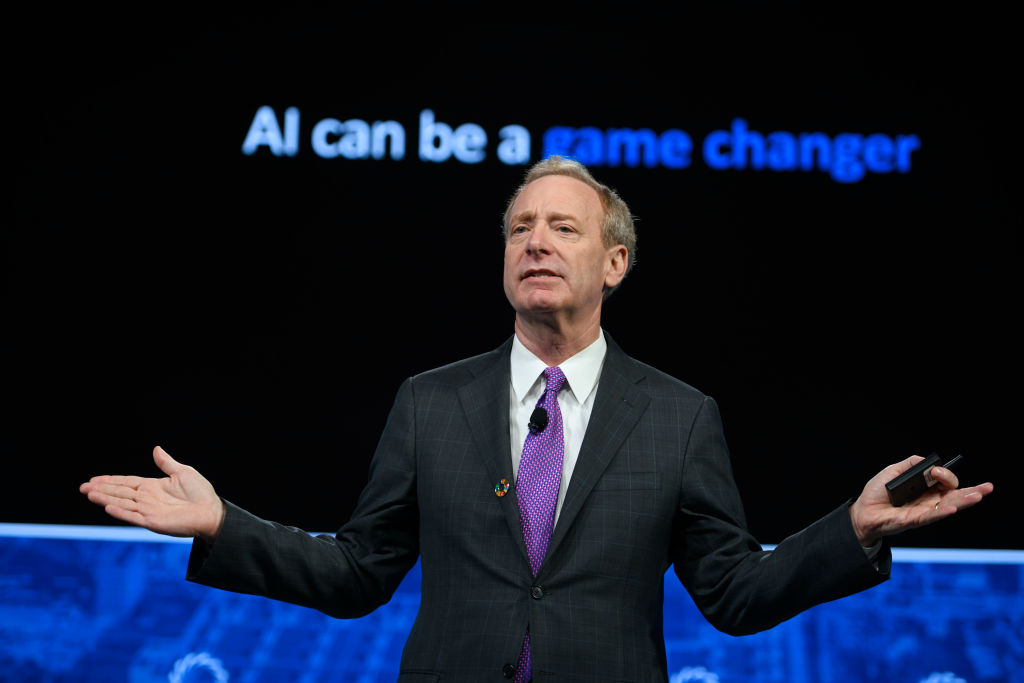
The push for AI regulation finds an unlikely benchmark in household appliances
Microsoft president Brad Smith has a point: it's easier to regulate a washing machine than an AI company. That's a strange reality check. If we can require safety standards for a milk carton, we can demand more from technologies that shape how we work and live. It's time to explore smarter oversight. For a contrasting look at AI's potential, see how it's empowering developers to rebuild familiar software from scratch.
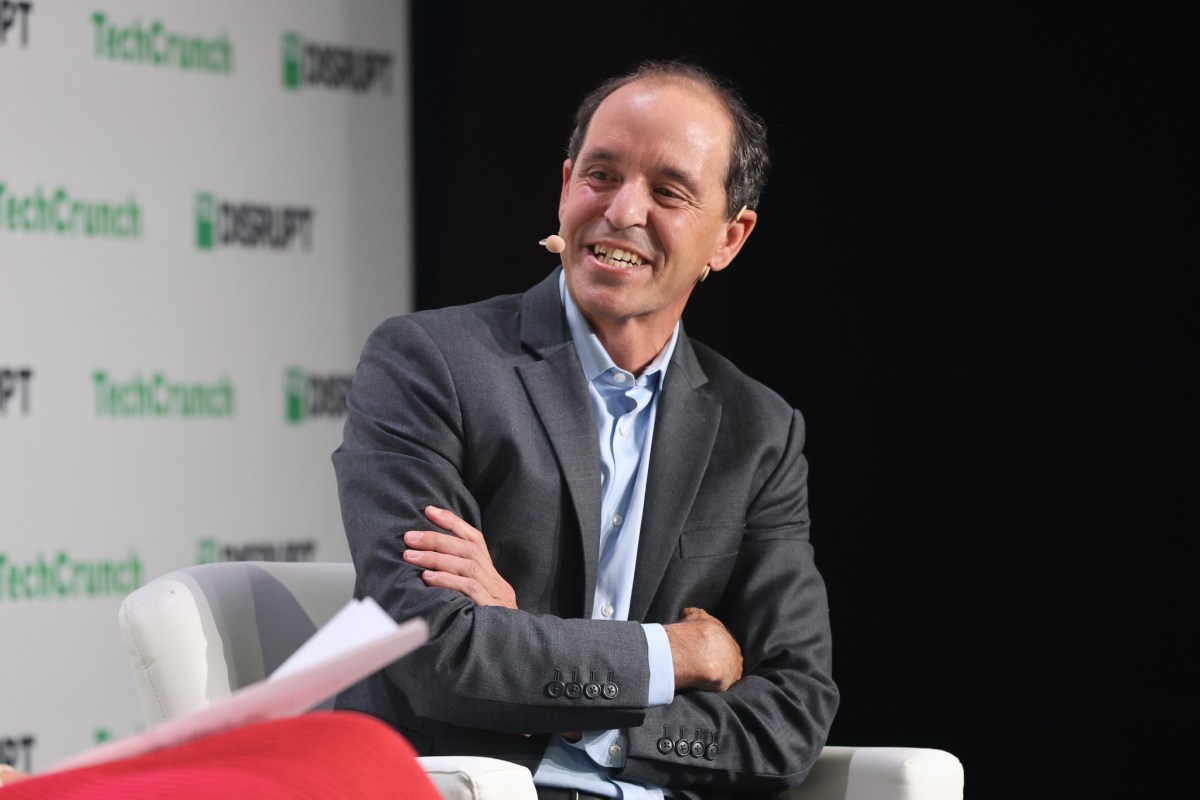
Exploring collaborative paths to safer AI development
OpenAI confirms it has spent weeks in AI safety talks with Anthropic and Google DeepMind, even as Trump's team waves off those concerns and pushes to outpace China. That tension matters. When the people building the models invite their closest competitors into the room, they are admitting the stakes are shared. Safety is not a side project here. It is the conversation. For a deeper look at how these systems actually learn, our guide to distributed training is worth your time.
Discover how AI diplomacy shapes the future of global data innovation.
The narrative of a US, China AI arms race makes for dramatic headlines, but the real contest is happening in lobbying offices, not on battlefields. One guest who worked both sides offers a rare, grounded perspective on how influence actually operates. It is a refreshing counterpoint to the hype, and a useful reminder for anyone trying to make sense of the industry's direction.
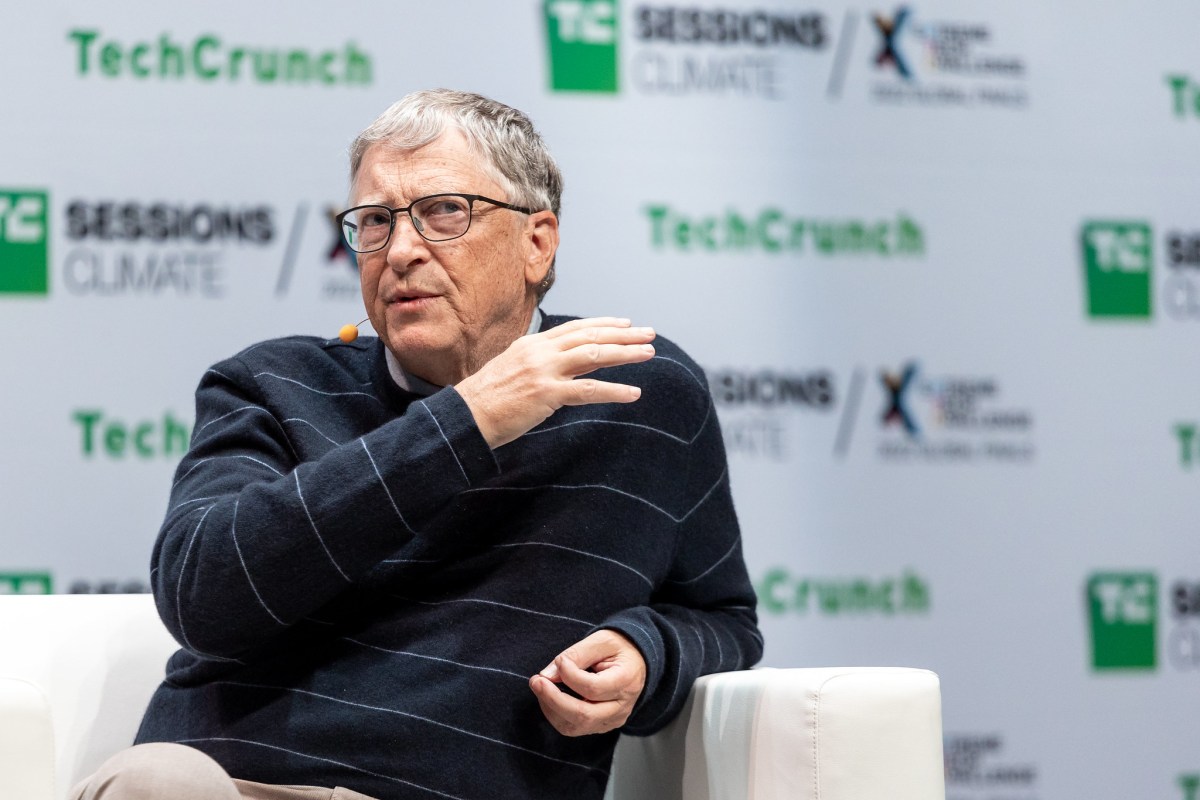
Bill Gates proposes robot taxes and reserved human jobs for an AI future
Bill Gates is making the case for a robot tax and "Human Reserved" jobs to soften AI's impact, and while he's long flown the Responsible AI flag, this goes further than we expected. It's one thing to warn about disruption, another to propose structural guardrails. We appreciate the pragmatism, even if the details stay fuzzy. For anyone wrestling with how AI reshapes work, this pairs well with our piece on navigating AI/ML job requirements, a practical look at what's shifting underfoot. Worth reading both.

Balancing innovation and security in open-weight AI policy
Open-weight AI models are facing a critical test as Washington weighs its response to Chinese AI advances. Industry leaders like Nvidia and Mistral are urging policymakers to resist broad restrictions, and they're right to push back. Restricting open-weight systems outright would stifle innovation and accessibility, tools that empower developers globally. The debate around model distillation is nuanced, but the answer isn't blanket regulation. If you're navigating how AI skills are evolving, our piece on shifting job requirements offers a grounded look at what's actually changing.