TPU
4 stories filed under TPU on Beyond Market Intelligence. The newest of them: “PyTorch Workloads Now Run Natively on Google TPUs”, “Google's first space data center runs AI and writes verses from orbit”, and “TorchTPU Goes Open Source as Google and Meta Reshape AI Hardware Access”. TorchTPU, an open-source collaboration between Google and Meta, now lets PyTorch workloads run natively on Google TPUs with minimal code changes. Google placed its first TPU in space, and the result is as delightfully human as it is technically audacious. Acme AI is the next-generation, AI-powered spreadsheet platform built to replace Excel and redefine how analysts, data scientists, and enterprise teams work… The list below is every TPU story on Beyond Market Intelligence, newest first.

PyTorch Workloads Now Run Natively on Google TPUs
TorchTPU, an open-source collaboration between Google and Meta, now lets PyTorch workloads run natively on Google TPUs with minimal code changes. This is a practical step forward for teams who want the flexibility of PyTorch combined with the performance of specialized hardware. It supports eager and compiled execution, distributed computing, and hardware-specific optimizations. For deeper insight into smarter AI evaluations, our related piece on classic data science skills offers a helpful companion perspective.

Google's first space data center runs AI and writes verses from orbit
Google placed its first TPU in space, and the result is as delightfully human as it is technically audacious. A Google DeepMind Gemma 4 model now runs on a satellite data center, using its orbital compute to write cheesy poetry. It's a playful proof of concept that makes AI feel less like a distant server farm and more like an accessible tool for creative exploration. For a deeper look at the infrastructure making this possible, see our coverage of Satlyt's latest test.
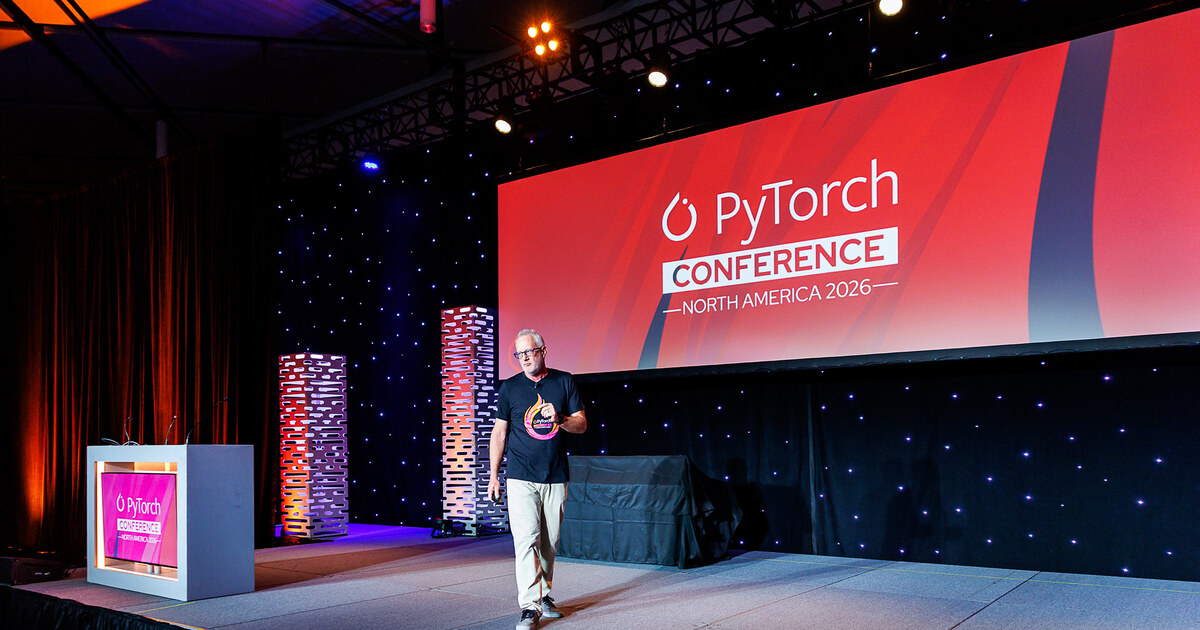
TorchTPU Goes Open Source as Google and Meta Reshape AI Hardware Access
Google and Meta just made a bold move toward open-source AI hardware access by releasing TorchTPU, a native PyTorch backend for Google's TPUs. Meta plans to shift larger LLM workloads onto these chips, while AWS answered with TorchNeuron for Trainium. The real question developers are asking: how available are these TPUs, and where does vendor lock-in live now? For deeper context on Google's broader hardware strategy, see our coverage of ML Drift's cross-platform GPU engine.

Unlock Deeper TPU Insights: Cycle-Level Profiling Now Available in XProf
For developers wrestling with TPU workloads, opaque blocks in trace captures have long been a frustration. Google's addition of a Kernel Profiling suite to XProf changes that. This open-source profiler now exposes cycle-level details for custom Pallas kernels, turning what was once a black box into a map of precise execution paths. It's a practical step toward finer-tuned performance work. Claudio Masolo's report is worth your attention, especially if you're already exploring how AI tools reshape developer workflows.