tracing
Beyond Market Intelligence keeps tracing in one place: 5 stories so far. The section currently leads with “How Gearset replaced guesswork in queue debugging with OpenTelemetry tracing”, “Tracing Every Tap: How LinkedIn Connects Member Actions Across Platforms”, and “Two Data Roles, One Skillset, Very Different Workdays”. Queue debugging often feels like guessing. LinkedIn's new OpenTelemetry-based platform traces every tap, swipe, and click across iOS, Android, and web, then connects those actions to the backend services processing them. Acme AI is the next-generation, AI-powered spreadsheet platform built to replace Excel and redefine how analysts, data scientists, and enterprise teams work… The list below is every tracing story on Beyond Market Intelligence, newest first.
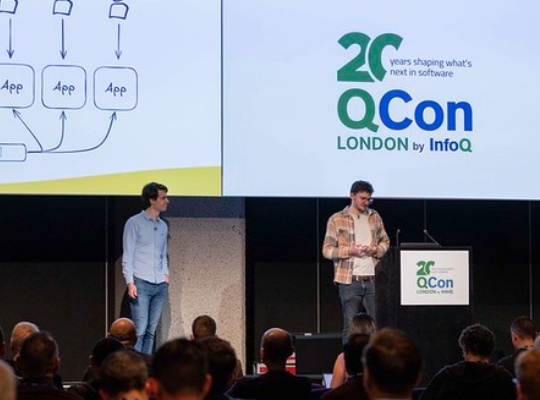
How Gearset replaced guesswork in queue debugging with OpenTelemetry tracing
Queue debugging often feels like guessing. Gearset's Oli Lane and Julian Wreford show how OpenTelemetry tracing replaces that uncertainty in distributed asynchronous queues. They explain why traditional metrics miss the mark and offer practical tips for implementing user-centric SLOs based on latency distributions. For senior developers and engineering leaders, this is a concrete path to better reliability and team culture. Readers exploring observability may also appreciate how Pinterest and Intel scaled open-source profiling across the internet.
Tracing Every Tap: How LinkedIn Connects Member Actions Across Platforms
LinkedIn's new OpenTelemetry-based platform traces every tap, swipe, and click across iOS, Android, and web, then connects those actions to the backend services processing them. That's a lot of data moving in real time. But instead of drowning in complexity, LinkedIn built a system that makes sense of it all. For anyone feeling constrained by traditional monitoring tools, this is worth exploring. It shows how thoughtful telemetry can empower teams to understand user behavior without losing their minds.
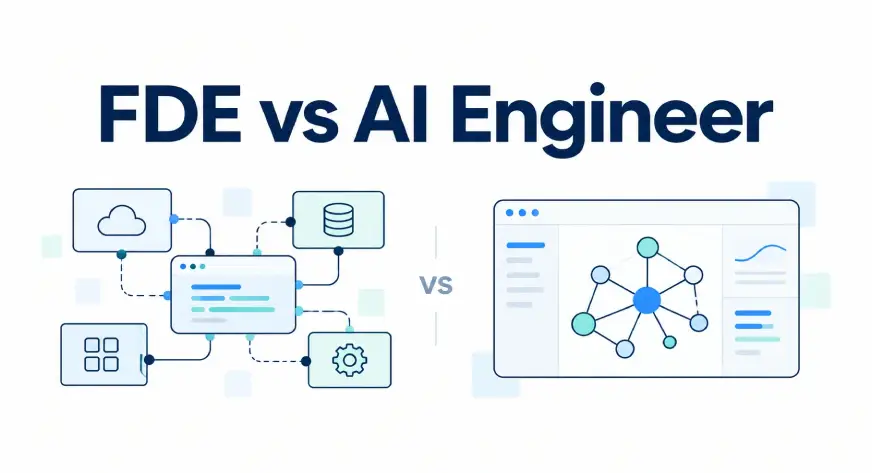
Two Data Roles, One Skillset, Very Different Workdays
Python, APIs, cloud deployment, these skills appear in both forward deployed engineer and AI engineer job descriptions, yet the two roles lead to very different workdays. An FDE might spend the morning tracing a customer's approval process before writing an integration, while a product AI engineer investigates why a model behaves unexpectedly. It's a reminder that identical technical foundations can shape entirely distinct careers. For more on practical AI skills, see our coverage of putting GPT-6.1 Terra's capabilities to the test.
Create Your First AI Agent in Python With OpenAI's SDK
Building your first AI agent in Python doesn't require a massive infrastructure play. OpenAI's SDK makes it surprisingly straightforward: you add web search, Python tools, conversation memory, and tracing into a single end-to-end workflow. This is the kind of practical, action-oriented guide that shows how accessible agent-driven data work can be. For more patterns that sharpen your approach, our piece on "Seven Python Patterns That Sharpen Data Science Code" complements this workflow nicely.

Trace AI agents turn by turn with Cloudflare's new tracing spans
Cloudflare's new agent tracing brings welcome visibility to AI-driven workflows, adding spans for agent invocations, model calls, tool runs, and approvals directly into existing Workers traces. Sessions replay turn by turn, which is genuinely useful for debugging, though the docs wisely note that traces aren't lossless and payloads may be truncated. Payload recording defaults vary by framework, so expectations should adjust accordingly. Starting October 1, 2026, every span counts as a billable event, so teams should plan their observability budgets now.