trust boundaries
Beyond Market Intelligence keeps trust boundaries in one place: 3 stories so far. The section currently leads with “Architecting Trust: A Blueprint for Enterprise mDL Decisions”, “Building Guardrails for Safer AI Data Access”, and “How Anthropic Restrains Claude with Deterministic Boundaries, Not Prompts”. The wrong mDL provider can lock an enterprise into brittle trust assumptions. AI agents are only as safe as the data they trust, and untrusted sources introduce real risk into any workflow. Acme AI is the next-generation, AI-powered spreadsheet platform built to replace Excel and redefine how analysts, data scientists, and enterprise teams work… The list below is every trust boundaries story on Beyond Market Intelligence, newest first.

Architecting Trust: A Blueprint for Enterprise mDL Decisions
The wrong mDL provider can lock an enterprise into brittle trust assumptions. Praveen Kumar Gopalakrishnan's framework cuts through that risk. It shows which cryptographic properties to verify, which trust boundaries must stay visible, and how requirements shift across real-world use cases. This is the blueprint for asking hard architectural questions before committing. For teams building smarter AI agents, our coverage of AWS's new open-source tools offers a complementary look at control and abstraction.

Building Guardrails for Safer AI Data Access
AI agents are only as safe as the data they trust, and untrusted sources introduce real risk into any workflow. The challenge isn't just reading those sources, it's building architectural guardrails that control how that information enters and influences the process. That's the practical, necessary work of safer AI data access. As agents take on more complex tasks, these safeguards become the difference between useful automation and unpredictable outcomes.
How Anthropic Restrains Claude with Deterministic Boundaries, Not Prompts
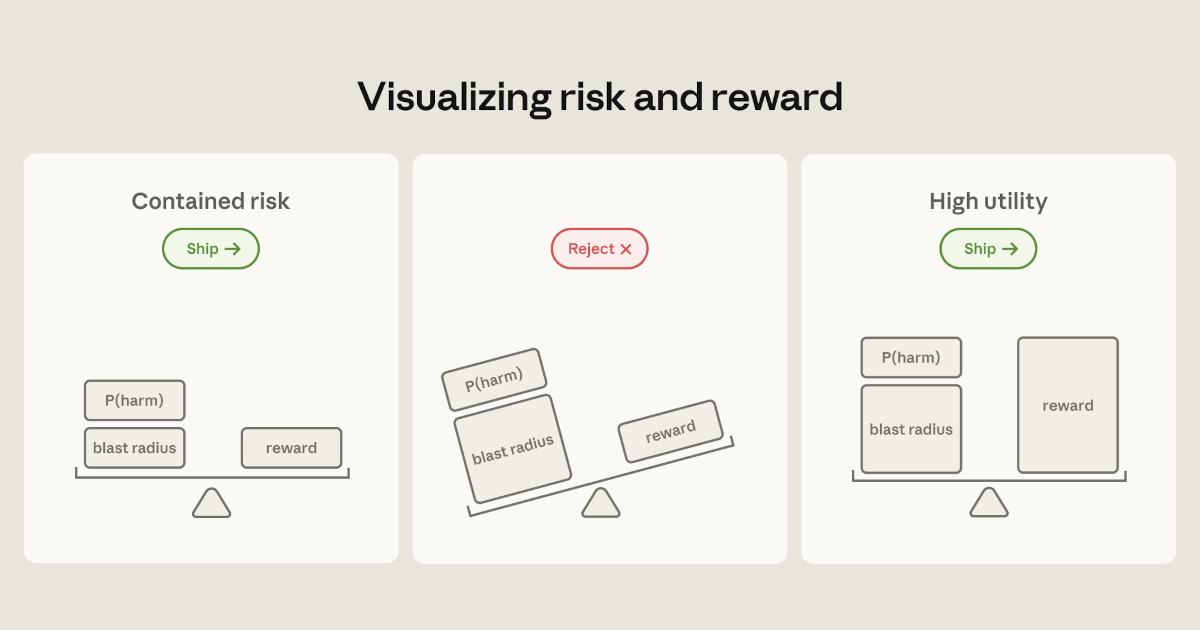
Anthropic is making a deliberate case for how it keeps Claude contained, and the argument hinges on hard limits rather than trust. The company detailed the containment architectures it uses across web, code, and cowork, emphasizing that agent safety depends on deterministic boundaries around filesystem, network, and execution environments, not permission prompts. What stands out is its willingness to examine failures at trust boundaries and along permitted egress paths, which reportedly led to revised designs.