Versioning
Beyond Market Intelligence keeps Versioning in one place: 3 stories so far. The section currently leads with “Streamline Your Monorepo: Changesets v3 Simplifies Releases and Reduces Size”, “Declare Your Data Intent: Flexible Workflows Without the Bottleneck”, and “Team memory alone can't fix AI agents that confidently get context wrong”. Monorepo maintenance just got lighter. Declarative specifications are the quiet workhorse behind flexible data workflows, and AWS is proving it. Acme AI is the next-generation, AI-powered spreadsheet platform built to replace Excel and redefine how analysts, data scientists, and enterprise teams work… The list below is every Versioning story on Beyond Market Intelligence, newest first.

Streamline Your Monorepo: Changesets v3 Simplifies Releases and Reduces Size
Monorepo maintenance just got lighter. Changesets v3.0, released August 11, 2026, slims down installations and rebuilds its CLI to tackle the versioning and changelog friction that has long frustrated JavaScript teams. The shift in peer dependency management directly answers recurring complaints, though upgrading does require some configuration updates. It's a focused move toward simpler contributor workflows, not a flashy overhaul. For more on how modern tooling is reshaping developer experience, our piece on Alibaba's OpenCodeReview for AI-assisted code review offers a complementary look.
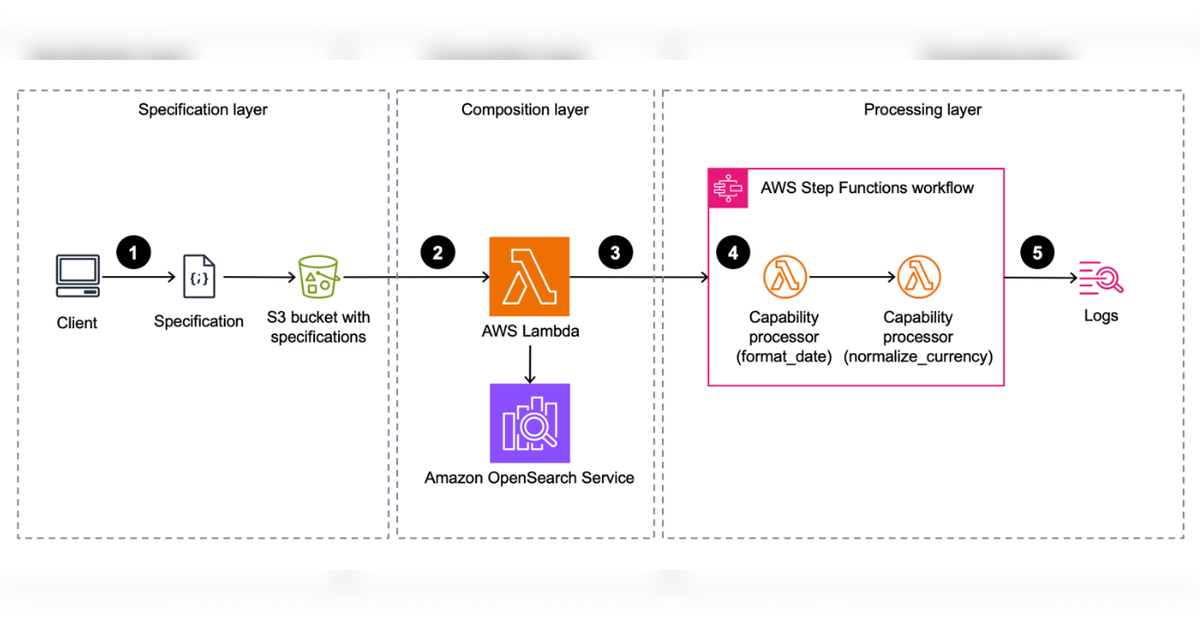
Declare Your Data Intent: Flexible Workflows Without the Bottleneck
Declarative specifications are the quiet workhorse behind flexible data workflows, and AWS is proving it. By separating intent from processing logic, this approach lets teams define what they need while reusing proven capabilities, with validation catching issues before execution runs. The payoff is tangible: dataset onboarding shrinks from weeks to days, without sacrificing traceability or governance. It is a practical, human-centered answer to a complex problem.

Team memory alone can't fix AI agents that confidently get context wrong
Tencent's Team Memory lets a team of agents share one context hub, but the launch leaves a critical question open: what happens when the shared memory is wrong? A single bad fact no longer costs one user a repeated explanation, it propagates across every agent that reads the pool. That governance gap is exactly what practitioners flagged within hours. The access tiers handle who reads what, not how falsehoods get corrected or retired.