web content
web content at Beyond Market Intelligence is a file of 3 stories. The newest of them: “How AI quietly reshaped a third of the modern web”, “Turn Web Pages into Smart Q&A Engines with AI”, and “Explore how overlooked web software exposes critical infrastructure to risk.”. A third of web pages published since ChatGPT's launch now show signs of AI authorship. Most tutorials make web scraping sound harder than it needs to be. Acme AI is the next-generation, AI-powered spreadsheet platform built to replace Excel and redefine how analysts, data scientists, and enterprise teams work… The list below is every web content story on Beyond Market Intelligence, newest first.

How AI quietly reshaped a third of the modern web
A third of web pages published since ChatGPT's launch now show signs of AI authorship. That's a striking signal about how quickly synthetic content has woven itself into the web's fabric. It raises a pressing question: how do we keep our data meaningful when machines are editing so much of what we read? This isn't about shaming the tools; it's about staying clear-eyed.
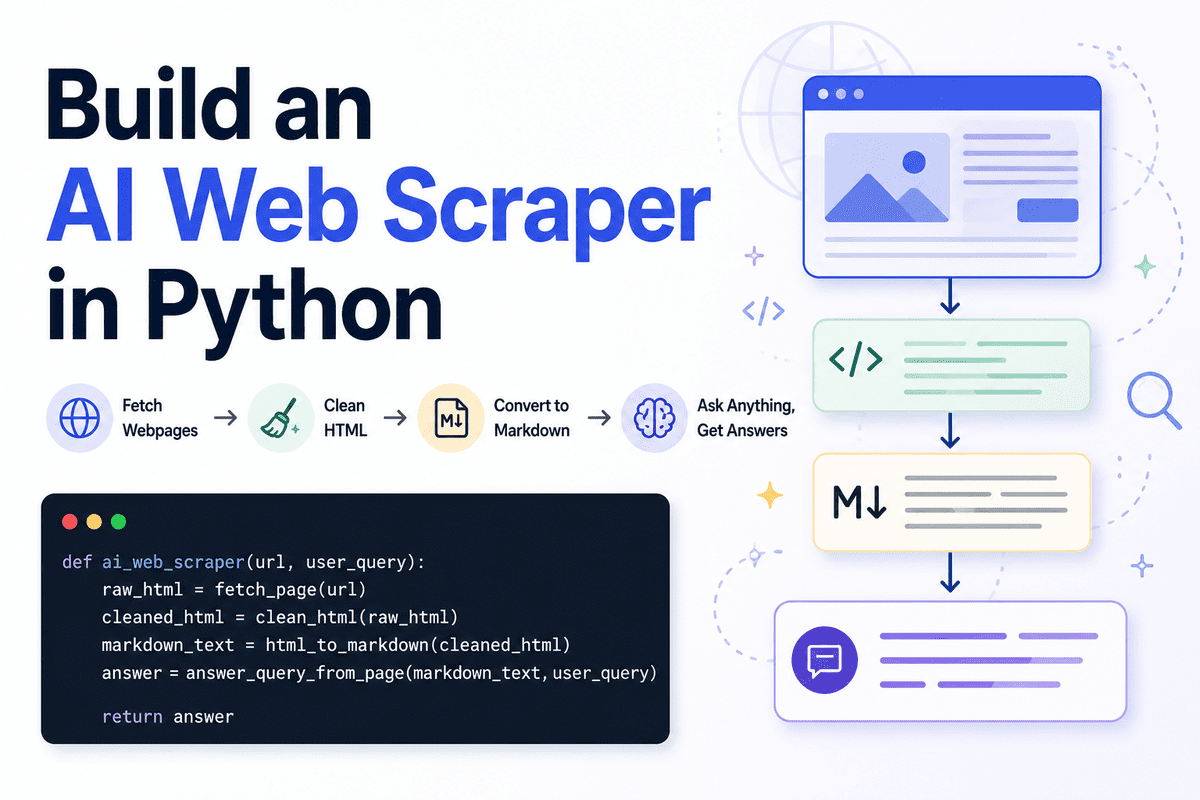
Turn Web Pages into Smart Q&A Engines with AI
Most tutorials make web scraping sound harder than it needs to be. This one strips away the noise: clean the HTML, convert it to Markdown, and let an LLM answer focused questions. The payoff is real, especially when you want answers without burning through tokens on messy page structures. It's a practical, no-nonsense approach that respects your time and your budget. If you're tired of wrestling with raw scraped data, this method feels like a quiet win.

Explore how overlooked web software exposes critical infrastructure to risk.
A scan of the Polish web has exposed serious vulnerabilities in courts, hospitals, and airports, with researchers identifying common points of failure in the software used to organize and display web content. That means attackers could have run riot through government websites, a sobering reminder that the tools we rely on daily often hide the biggest risks. It's a familiar pattern, one we explored with AI agents sharing user images, and it underscores why proactive security must be a default, not an afterthought.