web development
web development at Beyond Market Intelligence is a file of 11 stories. The newest of them: “Cloudflare's Blog Finds Performance Gains with EmDash, Its New CMS”, “jQuery's Legacy Shows How Accessible Tools Empower Web Innovation”, and “Explore how Astro's Sätteri transforms build speed with Rust-powered Markdown.”. When Cloudflare moved its blog off WordPress, it didn't just switch platforms; it built its own CMS, EmDash, and open-sourced it. When jQuery arrived in 2006, it handed developers a bridge across the browser wars. Acme AI is the next-generation, AI-powered spreadsheet platform built to replace Excel and redefine how analysts, data scientists, and enterprise teams work… The list below is every web development story on Beyond Market Intelligence, newest first.
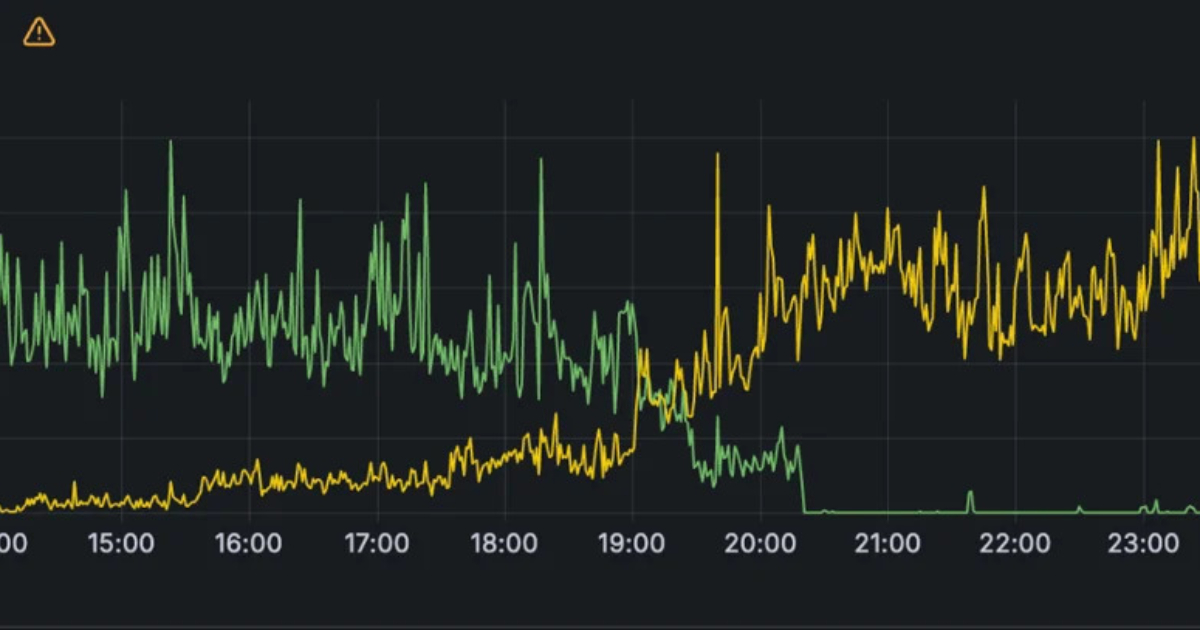
Cloudflare's Blog Finds Performance Gains with EmDash, Its New CMS
When Cloudflare moved its blog off WordPress, it didn't just switch platforms; it built its own CMS, EmDash, and open-sourced it. The payoff is clear: the system handles up to 7,000 requests per second while improving caching and performance. That's a practical win for a team managing heavy traffic. It's a reminder that sometimes the best tool is the one you create yourself. For more on how organizations are building internal infrastructure, check out our piece on Perplexity's CobbleDB migration.

jQuery's Legacy Shows How Accessible Tools Empower Web Innovation
When jQuery arrived in 2006, it handed developers a bridge across the browser wars. John Resig's library made HTML manipulation, events, and Ajax approachable when the web felt fragmented. It didn't just solve problems; it invited a generation to build without fear. Its decline alongside modern frameworks isn't a failure, but a legacy. Most of the web still runs on its shoulders. That staying power matters. For more on how legacy tools shape today's skill demands, explore our related piece on navigating AI/ML job requirements.

Explore how Astro's Sätteri transforms build speed with Rust-powered Markdown.
Astro's new Sätteri processor is worth paying attention to if you've felt the drag of slower builds. Built in Rust, it speeds up Markdown and MDX processing by up to 61% for Astro 7.0, which is a meaningful leap for teams juggling content-heavy sites. What stands out is its balance: flexible JavaScript plugins and native Markdown features, all while staying compatible with the unified ecosystem. It's a practical step forward, not hype.

Explore a faster, more intuitive home for data science readers and writers
We rebuilt the TDS website and contributor portal from the ground up, and we're eager for you to see what that means for your daily reading and writing rhythm. Speed improves, navigation clears, and the publishing process feels less like a hurdle. This is about removing friction so your ideas carry the day. For more on how we think about performance and structure, our coverage of Cloudflare's EmDash migration offers a useful parallel. Explore the new space, and let us know what you discover.

Nuxt 4.5 streamlines SSR with faster HTML flushing and a refined builder experience
Nuxt 4.5 is here, and the headline is experimental SSR streaming that flushes the HTML shell instantly, giving Time to First Byte a meaningful nudge. That's a practical win for perceived performance. The move to Vite 8 and a new Rspack 2 builder signals a clear commitment to faster, more flexible tooling. A stable error code system and fresh composables round out the release. For teams eyeing faster load times, this is worth exploring.

Kitesurf lets agents run browser tasks with less overhead, more control.
Cloudflare's Kitesurf takes a leaner path for automated browsing, running browser components in isolated WebAssembly and Rust environments on Workers. It speaks Chrome DevTools Protocol, so Playwright and Puppeteer can drive it without the resource weight of a full Chromium build. That's a practical step for teams juggling heavy workloads. We've seen similar infrastructure bets pay off elsewhere, like Perplexity's CobbleDB migration, and Kitesurf feels like another thoughtful push toward efficiency. It's worth exploring if your automation stack needs a lighter touch.

Vite+ Beta Unifies the Web Toolchain Into One Simple Command
Vite+ arrives as a unified web toolchain, and that single command approach is exactly what developers have been waiting for. VoidZero's beta combines runtime, package management, and frontend essentials into one streamlined workflow. Hot-reloading, format checking, and testing all live behind that command, which should cut through the usual configuration clutter. It's open source, too, and the team is leaning on community feedback to shape what comes next. For a developer tired of stitching tools together, this feels like a practical step forward.

Empower the next generation of creators with free student web tools.
WordPress.com is giving the next generation of creators a serious head start. Its new Education plan hands teachers the tools to provide students with free domains, plugin support, and professional site-building resources. That is a practical way to remove cost barriers before a career even begins. We like seeing legacy platforms invest in accessibility rather than just talking about it. For more on how modern teams are moving beyond traditional setups, check out Cloudflare's Blog Finds Performance Gains with EmDash, its new CMS.

Discover how Gemini 3.7 Flash empowers smarter coding and agentic workflows
Gemini 3.7 Flash arrives with coding and agentic workflows at the center, and a price cut that makes it hard to ignore. For the next few months, developers can run it at half the standard rate, a direct bet that Google's efficiency gains will translate into lower operating costs. We think that's the right wager, especially for teams running high-volume agents. The real test isn't the leaderboard; it's whether the model reduces retries and manual oversight in production.
Astro 7 delivers faster builds with native Rust tooling and smarter processing.
Astro 7 is built for speed, and the numbers show it: builds up to 61% faster thanks to a rewritten Rust compiler and native tooling. Markdown processing gets a significant boost, while stricter HTML rules keep output clean. It's a thoughtful push for content-driven sites that want less JavaScript overhead. We've seen this pattern before with Perplexity's CobbleDB migration, and the focus on performance over flash feels right. If you're wrestling with slow builds, this is worth exploring.

From Agent to Interface: Building a Production-Ready UI for LangGraph
Building a production-ready interface for a stateful LangGraph agent sounds like a step toward making AI tools genuinely practical. Creating a Streamlit UI matters because a powerful agent is only useful if people can actually interact with it. The focus here is on accessibility, turning complex backend logic into something approachable. It is a reminder that thoughtful design carries equal weight to the technology underneath.