AI nuclear power firm Fermi finally has a new CEO
Our take
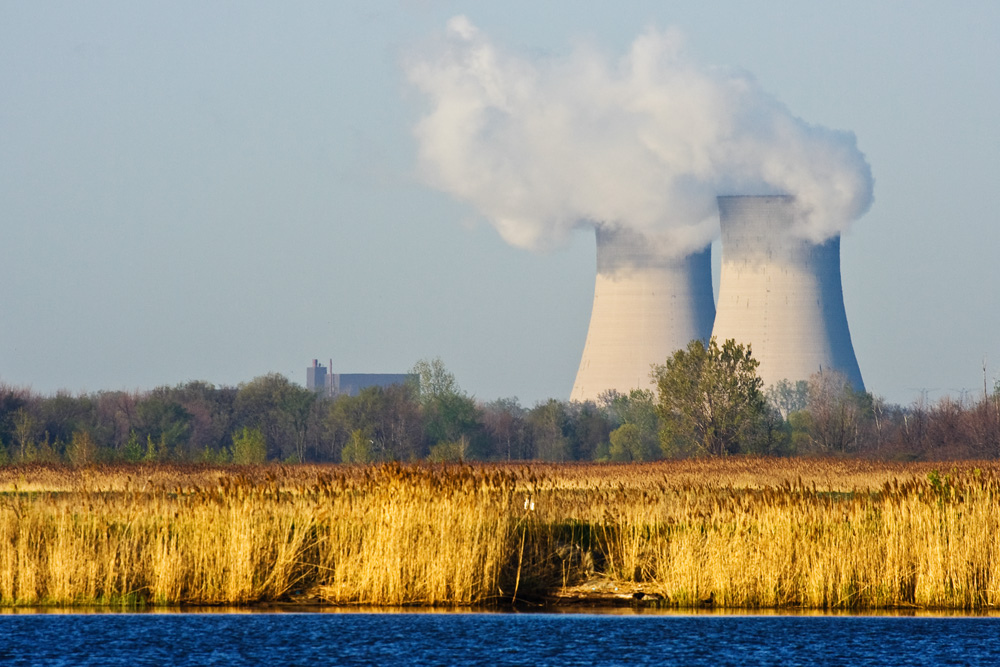
The appointment of Lee McIntire as CEO of Fermi Energy, following the abrupt dismissal of co-founder Toby Neugebauer, signals a potential shift in strategy for the AI-powered nuclear power firm. It’s a move that suggests a desire for stability and perhaps a more pragmatic approach to scaling a venture operating in a notoriously complex and highly regulated industry. The sudden leadership change, occurring after significant investment and initial hype, underscores the challenges inherent in marrying innovative AI solutions with established, capital-intensive sectors. This echoes concerns around the responsible implementation of AI, as seen in recent discussions surrounding Anthropic’s new watermarking system [Some Claude users are mad that Anthropic’s new watermarks will catch them using it at their jobs, classes], which highlights the tension between utility and transparency in AI applications. The need for careful management of AI’s influence is paramount, especially when dealing with critical infrastructure.
McIntire’s background as an independent board member suggests a focus on operational efficiency and risk mitigation, qualities likely deemed essential after Neugebauer’s departure. Fermi’s ambition – to leverage AI to optimize nuclear reactor performance and potentially extend their lifespan – is undeniably compelling. However, the nuclear sector demands a level of precision and reliability that demands more than just a novel algorithm. The successful integration of AI requires robust data infrastructure, rigorous validation processes, and a deep understanding of existing engineering principles. The ability to build multimodal workflows with local LLMs [Building Multimodal Workflows with a Local LLM] will be increasingly important for companies like Fermi, as they seek to ingest and interpret the vast datasets generated by nuclear facilities. Furthermore, the rise of AI-powered notetaking hardware [Why Stream ring-maker Sandbar says the future of AI wearables is voice] illustrates the broader trend of AI permeating traditionally analog industries, and Fermi’s success will depend on its ability to navigate this evolving landscape.
The broader significance of this development extends beyond Fermi itself. It represents a crucial test case for the application of AI in a sector traditionally resistant to rapid technological change. The nuclear industry, for decades, has relied on established protocols and incremental improvements. Fermi’s attempt to introduce AI-driven optimization represents a more radical departure, and its success – or failure – will influence the willingness of other nuclear operators to embrace similar technologies. The challenges Fermi faces are not unique to nuclear energy; they are representative of the broader difficulties in integrating AI into industries where safety, reliability, and regulatory compliance are paramount. The emphasis will likely shift from purely technological innovation to demonstrating the practical, verifiable benefits of AI while simultaneously addressing potential risks.
Ultimately, the appointment of McIntire raises a critical question: can Fermi maintain its innovative spirit while adopting a more conservative, risk-averse approach? The company’s future hinges on its ability to balance the promise of AI-driven efficiency gains with the need for unwavering safety and regulatory adherence. Will the new leadership prioritize short-term operational improvements or invest in the long-term development of a truly transformative AI platform for nuclear energy? The answer to that question will likely determine whether Fermi can fulfill its ambitious vision and reshape the future of power generation.
Read on the original site
Open the publisher's page for the full experience