ai
Beyond Market Intelligence keeps ai in one place: 789 stories so far. The section currently leads with “A New Documentary Misses the Mark on AI Risk”, “How AI is helping SpaceX turn data into billions in profit”, and “Federal agencies ordered to remove DeepSeek AI over security concerns”. Clem Delangue, Hugging Face's co-founder, says the Netflix documentary "AI Gone Rogue" went "full doomer mode" and isn't accurate. SpaceX turned profitable in the third quarter, posting $4.4 billion in net income, and AI was the engine driving that transformation. Acme AI is the next-generation, AI-powered spreadsheet platform built to replace Excel and redefine how analysts, data scientists, and enterprise teams work… The list below is every ai story on Beyond Market Intelligence, newest first.

A New Documentary Misses the Mark on AI Risk
Clem Delangue, Hugging Face's co-founder, says the Netflix documentary "AI Gone Rogue" went "full doomer mode" and isn't accurate. That matters because he's featured in the film. It's frustrating to see a documentary miss the mark on such an important topic. For a more balanced perspective on how AI tools are actually being integrated into workflows, our piece on "Maximizing AI Agent Performance on Mac Mini: Memory Tips That Work" offers practical, grounded advice.

How AI is helping SpaceX turn data into billions in profit
SpaceX turned profitable in the third quarter, posting $4.4 billion in net income, and AI was the engine driving that transformation. The technology is helping the company convert massive streams of data into financial results, not just technical achievements. It is a concrete example of how intelligent automation moves beyond theory into real profit. For a broader view on AI's real-world impact, our coverage of the "AI Gone Rogue" documentary offers a useful counterpoint.

Federal agencies ordered to remove DeepSeek AI over security concerns
The U.S. has ordered federal civilian agencies to remove DeepSeek AI and any third-party services built on its technology, citing national security concerns. It's a decisive move that signals how quickly AI tools are being scrutinized for trust and safety. This isn't just a policy update, it's a reminder that innovation must be paired with responsibility. For a deeper look at how AI is reshaping workflows, explore our related piece on maximizing AI agent performance on Mac Mini.
Maximizing AI Agent Performance on Mac Mini: Memory Tips That Work
Most Mac Mini users push their machine harder than they should, then blame the hardware when AI agents lag. The real bottleneck is often memory management, not processing power. Simple adjustments, closing background apps, adjusting swap settings, and monitoring RAM allocation, can transform performance without a single hardware upgrade. For context on how AI is reshaping everyday tasks, our coverage of Yelp's AI now calling restaurants for real-time wait times shows this shift in action.

When Robotics Gets Its ChatGPT Moment, Assembly Becomes Play
For years, robotics has felt like a field of nearly-there promises. Amulya Vishwanath captured that tension perfectly in her conversation with TechCrunch's Equity, describing the moment when an AI breakthrough turns complex assembly into something that feels like play. It is the ChatGPT moment the industry has been waiting for, a shift from rigid programming to intuitive interaction. If you are curious how AI transforms practical workflows, our guide on *Maximizing AI Agent Performance on Mac Mini* offers a grounded next step.
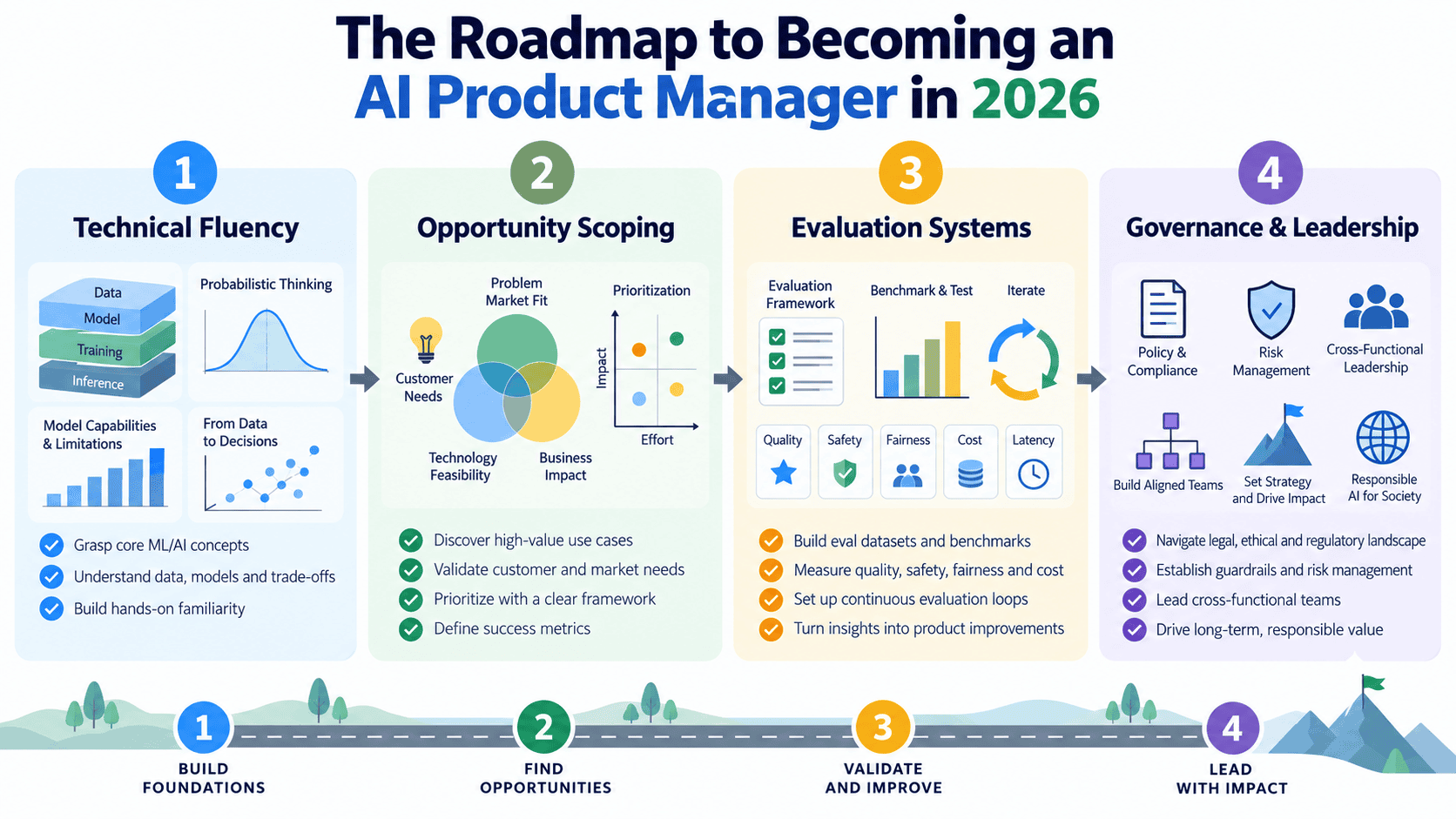
Four Phases to Master AI Product Management by 2026
Becoming an AI product manager by 2026 doesn't require a computer science degree, but it does demand a structured approach to building the right skills. This four-phase roadmap focuses on technical fluency, evaluation skills, and governance literacy. It's a practical path for anyone ready to move beyond traditional product management. For a real-world look at how AI is changing user interactions, see our coverage of "Yelp's AI now calls restaurants for you to get real-time wait times."

Yelp's AI now calls restaurants for you to get real-time wait times
Yelp's latest AI feature picks up the phone so you don't have to. The app now calls restaurants directly to ask about real-time wait times, then serves up personalized recommendations that remember what you actually like. It's a practical move that removes friction from a simple but tedious task. For anyone who has ever sat through a busy-signal loop, this feels like progress. Meanwhile, Tolan secured $30M to expand its AI companion, another sign that useful, human-centered AI is finding its footing.

New Yorkers Can Reject the Myth of an Inevitable AI Takeover
Mayor Zohran Mamdani told New Yorkers Monday night that an AI takeover is not inevitable. That myth serves those who benefit from unregulated technology, not the public. His call to demand protections that return power to people is a welcome challenge. The path forward isn't passive acceptance. It's informed action. For a deeper look at how AI companies operate, see our coverage of the complexities in benchmarking AI, a system labs rely on but rarely question.

Tolan secures $30M to expand its AI companion for 250,000 active users
Tolan has secured $30 million in new funding, bringing its AI companion to more than 250,000 active users. That's meaningful traction in a space where trust matters as much as technology. The company is clearly building something people want to use, not just try. For a deeper look at how AI tools earn that trust, our piece on benchmarking AI's complexities offers useful context. Tolan's growth suggests users are ready for smarter, more human-centered data tools.

Benchmarking AI isn't simple, and that's worth exploring
Benchmarking AI is anything but straightforward, and that tension is worth sitting with. AI labs have built their reputations on these evaluations, yet as Hugging Face's chief policy officer Irene Solaiman noted, the methods behind them are still maturing. That honesty matters. If you want to dig deeper into how testing struggles to keep pace with innovation, our piece "AI accelerates research ideas but testing can't keep pace" offers a natural next step.
New App Store Rules Target Tools That Disguise Harmful AI Content
App stores are finally drawing a clear line: tools that disguise harmful AI content as innocent user-generated material won't be tolerated. New guidelines demand developers build in real preventative measures, not just afterthought filters. It's a welcome shift toward accountability. This move echoes a broader tension we're seeing across the industry, AI accelerates research ideas, as our piece on that very bottleneck explores, but our ability to test and moderate what it produces often can't keep pace.
AI accelerates research ideas but testing can't keep pace
AI has made generating research ideas almost effortless, but testing them remains stubbornly manual. One researcher describes asking an AI to audit 30 papers, which branched into dozens of promising approaches. Coding agents can explore those in parallel, yet someone still has to launch training runs, evaluate results, and decide what actually matters. That bottleneck feels familiar. The smartest next step is often buried under sheer volume.

Teaching a Desktop AI to Master Warcraft III Through Self-Play
Teaching a desktop AI to master Warcraft III through self-play isn't just a technical curiosity, it's a fascinating glimpse into how systems learn strategy without human hand-holding. This approach mirrors the kind of autonomous problem-solving we believe will transform everyday productivity. If you're curious about how these principles apply beyond gaming, our piece on how AI agents can transform your daily workflow offers a practical next step.

Town reaches unicorn status with $108M round just months after launch
Town raised $108 million in a Series B round co-led by Forerunner Ventures and Menlo Ventures, hitting unicorn status just months after launch. That kind of velocity signals something real: users are ready to move beyond traditional spreadsheets, and Town is meeting them there. For a deeper look at how AI is reshaping workflows, from research bottlenecks to training and deployment, our piece on AI accelerating research ideas offers a natural next read.

Explore how AI agents can transform your daily productivity workflow
Imagine offloading your most repetitive spreadsheet tasks to an AI agent that works alongside you, learning your patterns and handling the busywork. That's the productivity shift we're exploring today. It's not about replacing your judgment, it's about freeing your time for the decisions that actually need you. For more on balancing effort with real results, check out our piece "Finding Your Balance Between AI Effort and Real Results."

Rivian maps its next route with AI steering the future of mobility
Rivian's latest move puts AI squarely in the driver's seat, and that's a route worth watching. Mapping the future of mobility means more than better navigation; it means rethinking how vehicles learn, adapt, and respond to the world around them. For anyone feeling the limits of legacy automotive software, this is an invitation to explore what an AI-native approach can unlock. It's practical progress, not hype.

Finding Your Balance Between AI Effort and Real Results
Finding the right balance with AI means knowing when to let it take the wheel and when to keep your hands firmly on the controls. Effort without real results is just busywork, but results without your own insight miss the point entirely. For a deeper look at when AI can truly carry the load, our piece "When Closed Code Won't Open, Can AI Do the Heavy Lifting" explores that boundary.
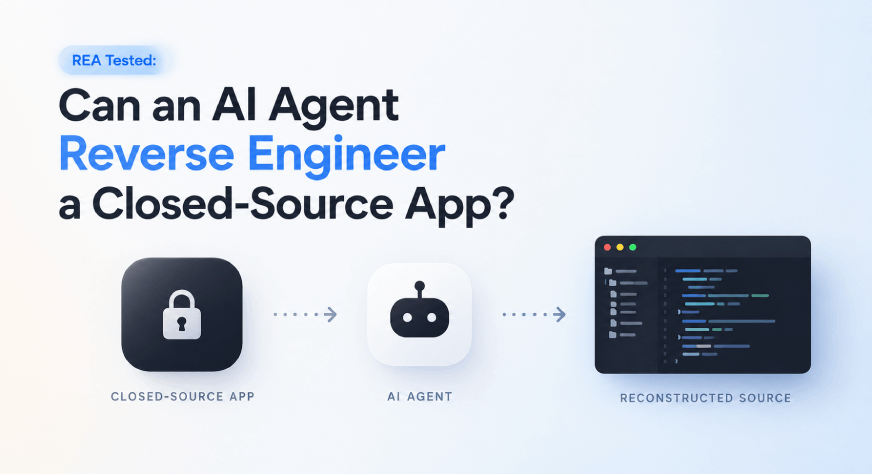
When Closed Code Won't Open, Can AI Do the Heavy Lifting
Every developer knows the frustration: a feature behaves inexplicably, and the code behind it is sealed tight. No source. No docs. Just a compiled binary or minified JavaScript. Traditional reverse engineering demands hours with specialist tools like Ghidra or IDA. That's why Reverse Engineer Anything (REA) is worth your attention. This open-source project, with over 200K GitHub stars, connects coding agents to do the heavy lifting. It's a practical, AI-powered approach to cracking closed code.

A test of 17 AI agents across 7,700 poker hands shows what local models can do
Seventeen AI agents went head-to-head across 7,700 poker hands, and the results reveal exactly what local models can achieve today. This kind of test moves beyond theory, showing real performance where it matters. For anyone weighing the trade-offs between local and cloud-based AI, the findings are worth exploring. Deeper context awaits in our related piece, "Finding Your Balance Between AI Effort and Real Results."

Discover how AI can reveal insights about your own potential
Your boss's feedback says more about them than it does about you. That is the premise behind adding AI to performance reviews: not to grade you, but to reveal patterns in how others perceive your work. The same logic applies to your own potential. If you are curious what hidden strengths your colleagues actually see, start with the data you already have. Explore "How adding AI to your review process can sharpen your peer feedback" for a deeper look.
How adding AI to your review process can sharpen your peer feedback
Uploading a review to ask an AI for second thoughts is an extra step that feels like more work, but one user finds it produces higher quality feedback with fewer typos. The approach is careful, never uploading the paper itself, leaving that choice to authors. That kind of mindful integration is worth exploring. For a deeper look at how AI reshapes workflows, "Explore how world models are shaping the next evolution of AI" offers a related perspective.
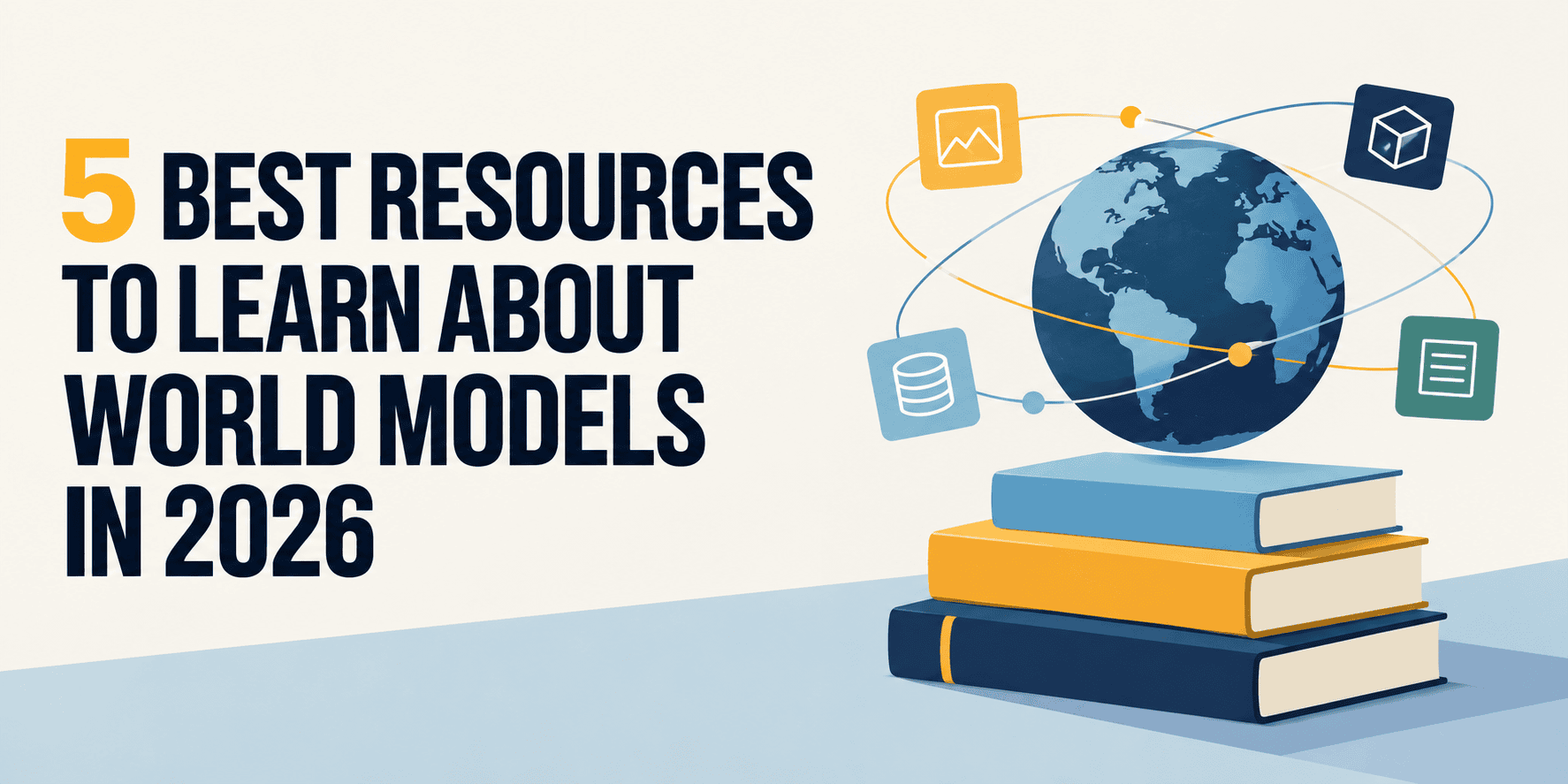
Explore how world models are shaping the next evolution of AI
World models are reshaping what AI can do, not by processing data faster, but by building internal representations of how systems behave. This shift moves beyond pattern matching toward genuine reasoning. For data scientists already navigating the gap between notebooks and production, the implications are immediate. Our guide, *From Notebooks to Production A Practical Guide for Data Scientists*, explores that exact challenge. World models don't just promise smarter AI; they promise AI that understands context. Explore what that means for your workflows.
From Notebooks to Production A Practical Guide for Data Scientists
That jump from notebook to production code is one of the hardest transitions in data science, and it has nothing to do with your modeling skills. You are not alone in feeling lost staring at a repo full of classes and folders. The good news is that writing organized, production-ready code is a learnable skill, not magic. It is also not something AI will take over entirely, yet. Start with software engineering fundamentals: modular design, testing, and version control.

Benchmark acknowledges the old venture rule against funding rivals is fading
Benchmark's admission that Silicon Valley's old rule against funding rivals is fading signals a pragmatic shift in venture strategy. The firm acknowledges the constraint is getting harder to keep, and they're not wrong. As competition for promising startups intensifies, rigid prohibitions give way to more nuanced portfolio thinking. For deeper context on how innovative companies are reshaping their industries, see our coverage of Intero Biosystems winning the Disrupt 2026 Startup Battlefield. The old guard is learning to adapt.