GM and Ford are talking less and less about EVs
Our take
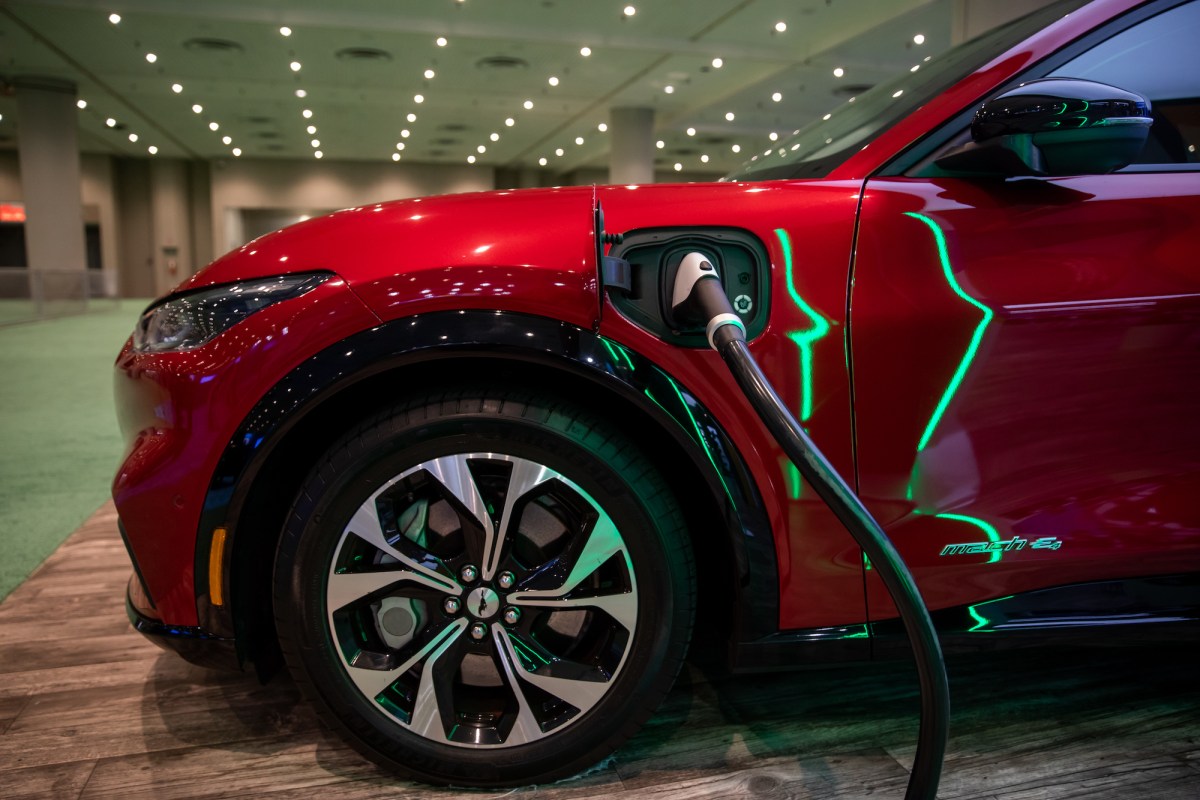
The recent data showing a decline in EV mentions on GM and Ford investor calls, as reported by TechCrunch and Hudson Labs, isn't necessarily a sign of waning commitment to electric vehicles, but rather a shift in narrative and a recalibration of expectations. The breathless enthusiasm that characterized the early days of the EV transition – a period fueled by pandemic-era stimulus and a surge in consumer interest – is naturally cooling. It’s a sign that the industry is moving beyond the initial hype phase and entering a more pragmatic era focused on profitability and sustainable growth. This shift is particularly interesting when viewed alongside the rapid growth of the AI sector, evidenced by companies like Ellis AI [Repeat founder Ryan Williams raises $10M seed for an AI startup for private credit managers], which demonstrates the increasing focus on AI solutions within established industries and the emergence of new AI-native businesses. The market’s understanding of EVs has matured; investors and consumers alike are looking for concrete results – reliable vehicles, robust charging infrastructure, and, crucially, a path to profitability for automakers.
The decline in EV mentions isn't an abandonment of the technology; it’s a recalibration of messaging. Automakers are now emphasizing the broader picture – the long-term viability of their businesses, their commitment to diverse powertrain strategies, and their ability to navigate a complex economic landscape. This is a far cry from the earlier pronouncements of an all-electric future, which, while aspirational, may have seemed unrealistic to some. The focus is shifting to demonstrating real-world progress, such as improving battery technology, scaling production, and managing supply chain challenges. This pragmatic approach also reflects the increased importance of cybersecurity, a concern that is driving investment in companies like Inforcer [Inforcer raises $50M to help prepare smaller businesses for a new world of AI and security risks] as businesses of all sizes grapple with evolving digital threats. The automotive industry, with its increasing reliance on software and connectivity, is particularly vulnerable and recognizing the need for proactive security measures.
The broader significance of this trend lies in its reflection of the evolving investment landscape. Early-stage EV companies, flush with capital, often prioritized growth over profitability, leading to unsustainable business models. Now, investors are demanding evidence of a clear path to profitability, and established automakers are responding by tempering their rhetoric and focusing on operational efficiency. This isn't to say that EV growth will stall, but rather that it will likely be more measured and sustainable. The rapid advancements in AI, exemplified by companies like Simile [Synthetic-user startup Simile raises $200M at $2B valuation 5 months after $100M Series A], are also indirectly impacting the automotive sector, offering opportunities to optimize processes, enhance vehicle performance, and create new user experiences. The integration of AI across various industries, including automotive, will be a key driver of future innovation and efficiency gains.
Looking ahead, the key question is whether automakers can successfully balance their commitment to EVs with the financial realities of the market. The transition to electric vehicles is a long-term project, and navigating the complexities of supply chains, consumer adoption, and regulatory landscapes will require a pragmatic and adaptable approach. Will the industry continue to prioritize innovation in areas like battery technology and charging infrastructure, even as investor focus shifts towards profitability? The coming months and years will be critical in determining whether the current recalibration of messaging represents a temporary pause or a fundamental shift in the trajectory of the EV revolution.
Read on the original site
Open the publisher's page for the full experience