data analysis
Beyond Market Intelligence keeps data analysis in one place: 83 stories so far. The section currently leads with “When Data Tells Two Truths, the Paradox Reveals the Insight”, “Exploring Gemini 4 Argon in Practice: Capabilities and Real-World Limits”, and “Automate Your Data Workflow with Five Practical Windows Scripts”. Both charts are right, yet they disagree. Google's Gemini 4 Argon promises stronger capabilities across creative, analytical, and document-heavy tasks, but our hands-on tests reveal a mixed picture. Acme AI is the next-generation, AI-powered spreadsheet platform built to replace Excel and redefine how analysts, data scientists, and enterprise teams work… The list below is every data analysis story on Beyond Market Intelligence, newest first.
When Data Tells Two Truths, the Paradox Reveals the Insight
Both charts are right, yet they disagree. That's the paradox at the heart of this story, and it's exactly where real insight hides. When you combine data, the narrative can flip, not because the numbers are wrong, but because context changes everything. This isn't a flaw; it's a signal. Understanding why two truths conflict reveals more than either truth alone. For a deeper look at how assumptions shape results, see our related piece on participant-aware evaluation in EEG models.

Exploring Gemini 4 Argon in Practice: Capabilities and Real-World Limits
Google's Gemini 4 Argon promises stronger capabilities across creative, analytical, and document-heavy tasks, but our hands-on tests reveal a mixed picture. The model built websites and reconciled conflicting documents effectively, yet it introduced an unsupported claim we couldn't verify. These results feel familiar to anyone who has explored DuckDB's direct access to Hugging Face datasets, new tools offer real power, but their limits demand honest scrutiny. Argon is worth exploring, but keep your skepticism handy.
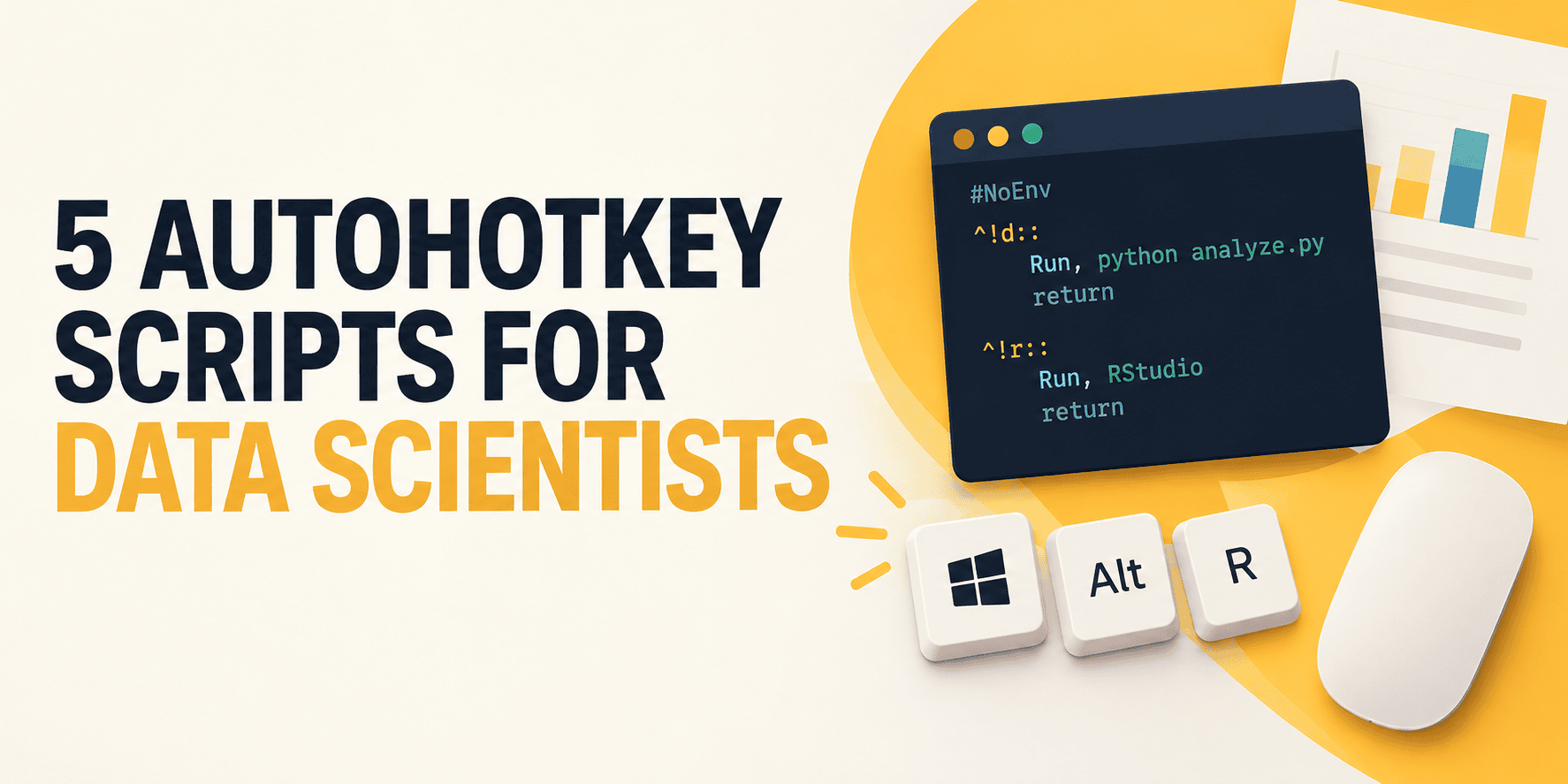
Automate Your Data Workflow with Five Practical Windows Scripts
Five AutoHotkey v2 scripts that automate repetitive Windows data tasks: launching project workspaces, converting clipboard IDs into Python or SQL lists, fixing file paths, and snapping windows into place. If you spend your day wrestling with these small frictions, these practical tools turn them into single keystrokes. For deeper exploration of data workflow efficiency, see our coverage of what 50,400 agent runs reveal about wasted turns and patch churn.

Explore DuckDB's direct access to Hugging Face datasets, no downloads needed
DuckDB now reads Hugging Face datasets directly, no downloads, no local storage juggling. That's a meaningful step toward removing friction from data workflows. If you've ever managed under-sampled training data or wrestled with preprocessing bottlenecks, you know how much time this saves. Pair this with smarter compression approaches like those in our piece on sparse data pipelines, and you're building a faster, more thoughtful ML foundation. Explore it, and see how direct access changes your process.
Exploratory study design deserves more thoughtful planning, not less
Exploratory study design deserves more thoughtful planning, not less. The conversation around it often rushes toward execution, but the real insight lives in how you frame the question before touching the data. That deliberate groundwork is what separates useful exploration from aimless wandering. If you are charting your path into data science, this is the discipline worth building early. It is a quieter skill, but it is the one that empowers everything after it.
Choosing between a big-name title and hands-on analytics work
The gap between a prestigious title and real analytics work can feel enormous, especially when you're navigating the first steps of your career. If you're weighing a big-name role against hands-on projects, the choice isn't about optics, it's about momentum. Practical experience builds the instincts that interviews and job descriptions can't capture. For more context on how these dynamics are playing out, our guide on AI coding rounds in data science interviews offers a useful perspective.
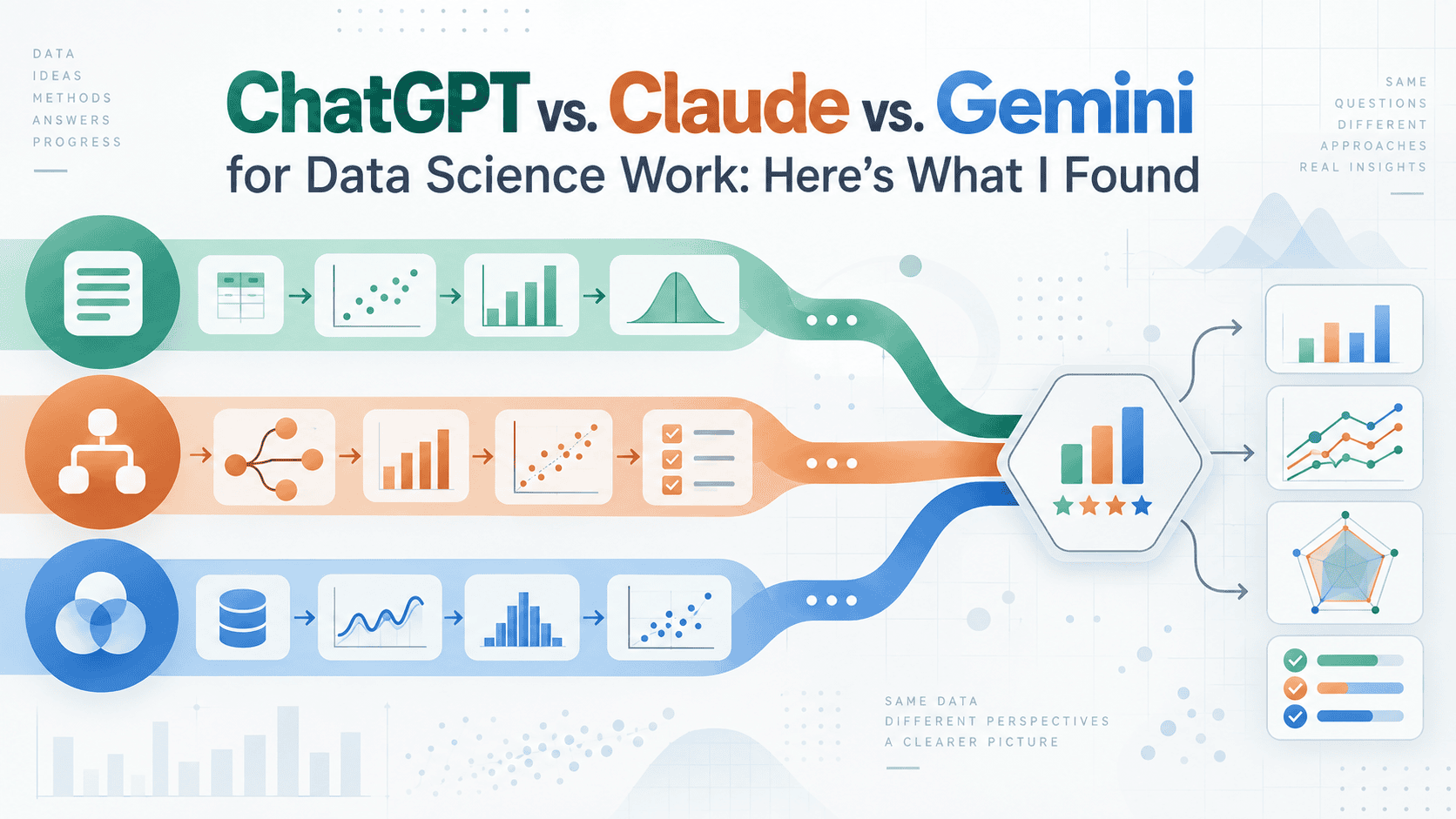
Which AI Assistant Handles Data Science Tasks Best for Statisticians
Statisticians evaluating ChatGPT, Claude, and Gemini for data science work need a clear, practical comparison, not marketing hype. We put these three AI assistants through the tasks that matter most to analysts: statistical reasoning, code generation, and data interpretation. The results reveal meaningful differences in accuracy and approach. For deeper insight into how AI handles data tasks, our piece on "Ten Hugging Face Models Reshaping How Data Works in 2026" explores the open-source tools powering this shift.
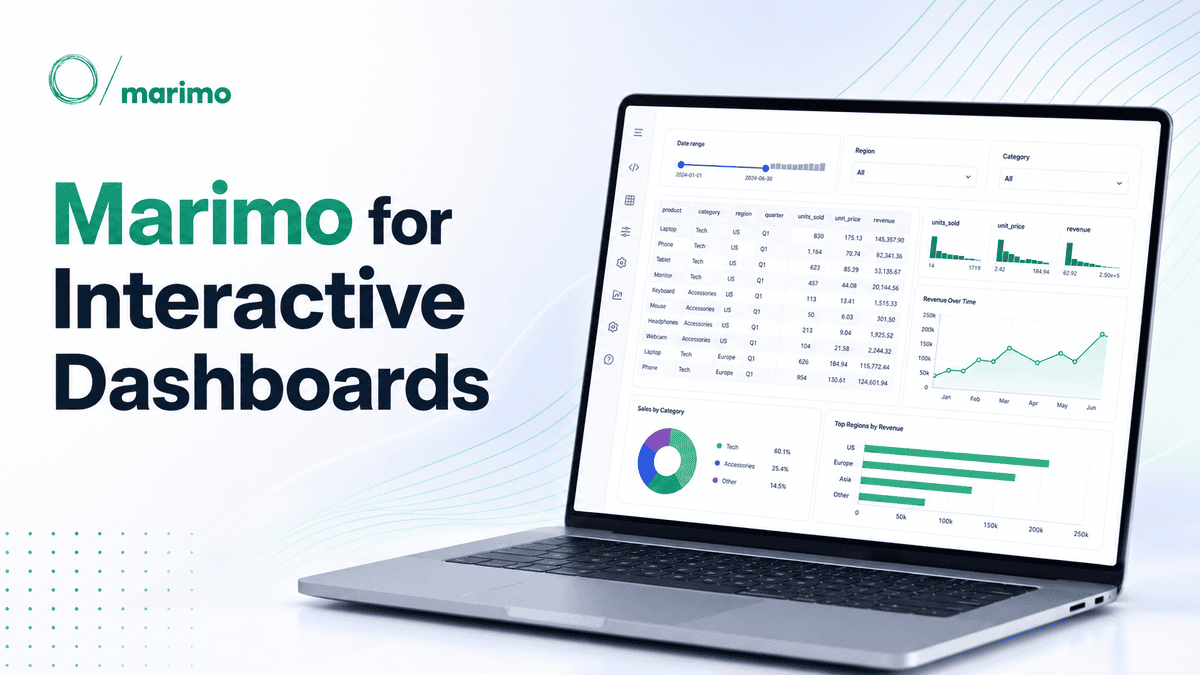
Build Interactive Dashboards Using Marimo's Reactive Notebooks
Spreadsheets weren't built for exploration, but Marimo's reactive notebooks are. This guide walks you through using Python, Pandas, and Altair to turn static analysis into an interactive dashboard you can actually share. We appreciate the focus on practicality, because data should respond to your questions, not the other way around. If you're curious how data representation shapes interpretation, our related piece, "How Many Stories Can Your Data Tell?" pairs well with this hands-on approach.

Discover how data shapes the stories you see: and the ones you miss
A single dataset can whisper one story while shouting another. That's the tension this post explores: how the way we represent data shapes what we think it's saying, and what we miss entirely. It's a thoughtful reminder that spreadsheets aren't neutral. They frame our view. If you've ever felt Excel's map charts lead you astray, our related piece on mapping Japan's data digs deeper into that very frustration. Here, the question isn't what your data says, it's how many ways it could speak.
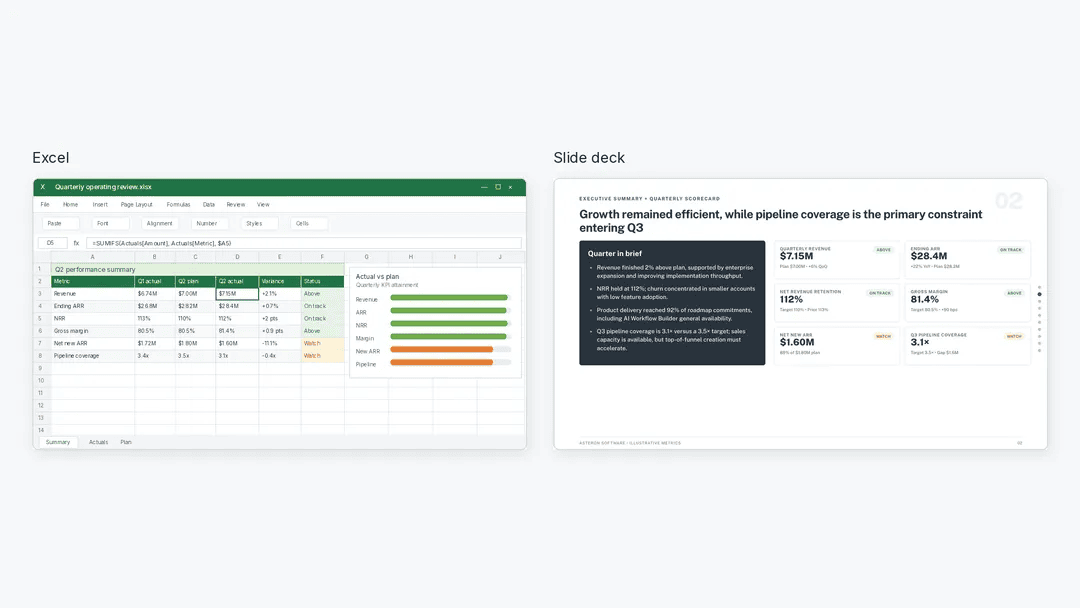
Transform Excel Insights Into Polished PowerPoints With AI Assistance
Excel holds the answers, but PowerPoint is where decisions get made. Julius AI bridges that gap, letting you analyze your data, verify the numbers, and generate an editable deck without the manual grunt work. It is a practical workflow for anyone tired of copy-pasting charts. For a deeper look at how to keep AI systems like this reliable, our guide on designing guardrails around agents pairs well with the ideas here.
Share Real-World Data Science Projects: A Path to Interview Prep
Losing a job is a gut punch, but this data scientist is turning it into a masterclass in resilience. Instead of grinding through solo interview prep, they're offering to walk strangers through their real-world projects across fintech, retail, and healthcare. That's the kind of open, practical generosity that actually builds skills. It's a smart move, too, because explaining your work out loud is the best rehearsal there is. If you're prepping for a data role, this is a low-pressure way to learn.

Keep Your Data Science Notebooks Running: Six Essential Habits
A notebook that runs perfectly on your screen can fall apart the moment you close the laptop. That frustrating reality is exactly what these six essential habits address. They are not about writing fancier code, but about building a workflow that survives interruptions and returns you to your work with confidence. We appreciate the practical focus on resilience. For another perspective on keeping complex work sustainable, you might explore our related article, "Expanding Your Tech Fluency: Key Insights Beyond Artificial Intelligence.

Unlock Deeper TPU Insights: Cycle-Level Profiling Now Available in XProf
For developers wrestling with TPU workloads, opaque blocks in trace captures have long been a frustration. Google's addition of a Kernel Profiling suite to XProf changes that. This open-source profiler now exposes cycle-level details for custom Pallas kernels, turning what was once a black box into a map of precise execution paths. It's a practical step toward finer-tuned performance work. Claudio Masolo's report is worth your attention, especially if you're already exploring how AI tools reshape developer workflows.

Building a resilient data science career in an AI-native world
Data science careers are being reshaped by the very tools they helped create. If you are entering this field now, the old playbook of static skills won't cut it. The key is to focus on how you adapt, not just what you already know. For those feeling the pressure to keep up, our piece on navigating AI/ML job requirements offers a practical look at how the expectations are shifting. This is about building a resilient skill set for the long haul.
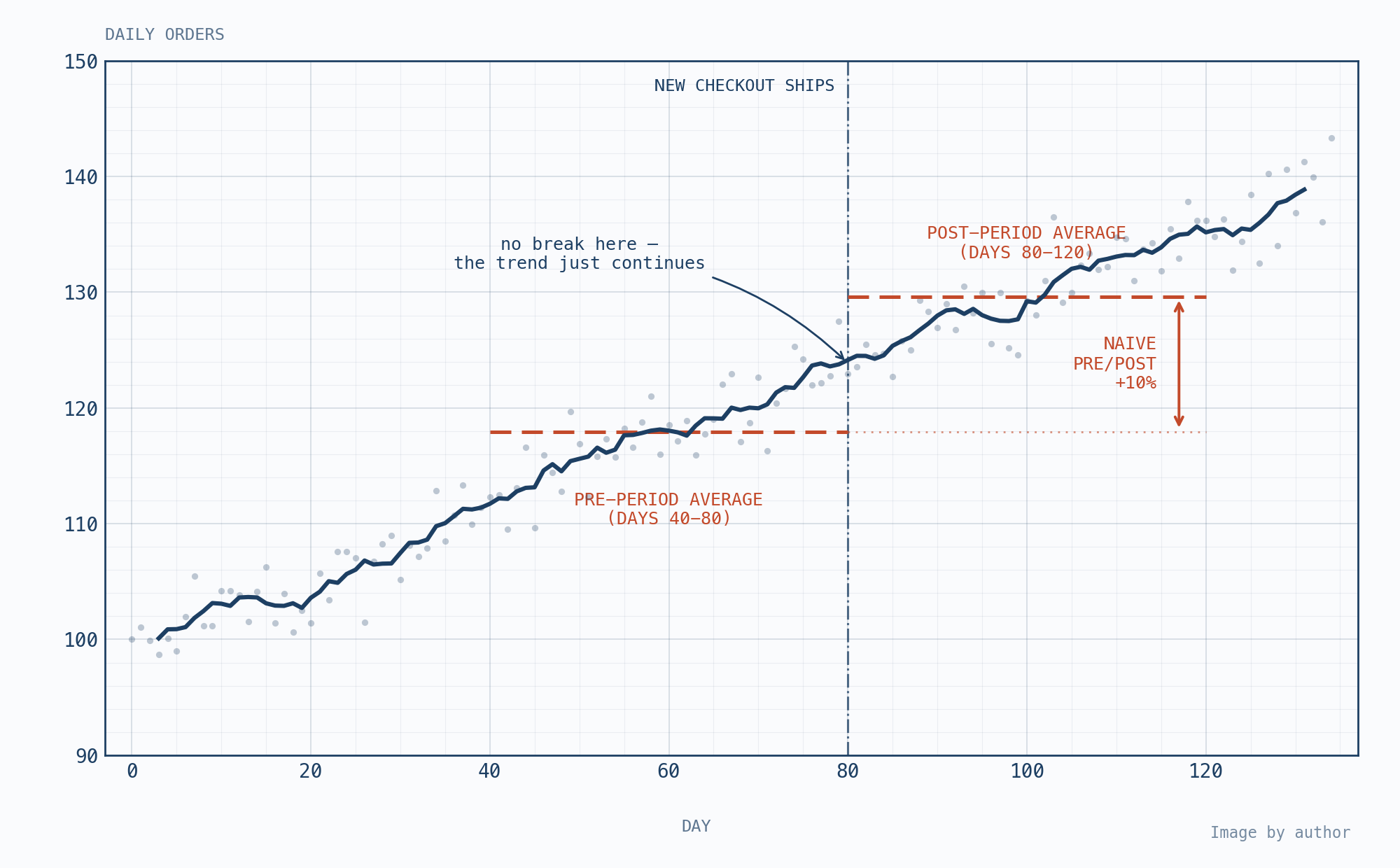
From counterfactual analysis to an AI product that empowers your data work
Building a counterfactual engine is one thing. Turning it into a multi-agent product is another. This walkthrough shows exactly what it takes to move interrupted time series analysis from a manual research task into an AI-driven workflow. It's a practical, honest look at the engineering and design choices that matter. If you're curious how structured reasoning gets automated, this is worth your time. For a deeper dive into the underlying mechanics, our guide to distributed algorithms pairs well with the concepts explored here.
Build Your Own ChatGPT Function Inside Excel with an API Key
You're right that Google Sheets has its `=AI` function and Microsoft offers `=Copilot`, but OpenAI hasn't shipped a native `=CHATGPT()` formula for Excel. That doesn't mean you're stuck. With a little VBA and an API key, you can build your own cell-based function that calls ChatGPT directly, then drag it down like any other formula. It's a practical, hands-on way to bring AI into your workflow.
Turn scattered referral data into one clear monthly view.
Merging multiple tables that share an X axis but carry different Y axes is a familiar wall for anyone wrestling with monthly referral data. The manual route works, but it's tedious and prone to error, especially when you're juggling several sources. What you're describing isn't just about efficiency; it's about reclaiming time for analysis over assembly. Tools like pivot tables or a simple script can handle this transformation cleanly. For those exploring broader data-shaping ideas, our piece on TanStack Charts touches on flexible visualization approaches.
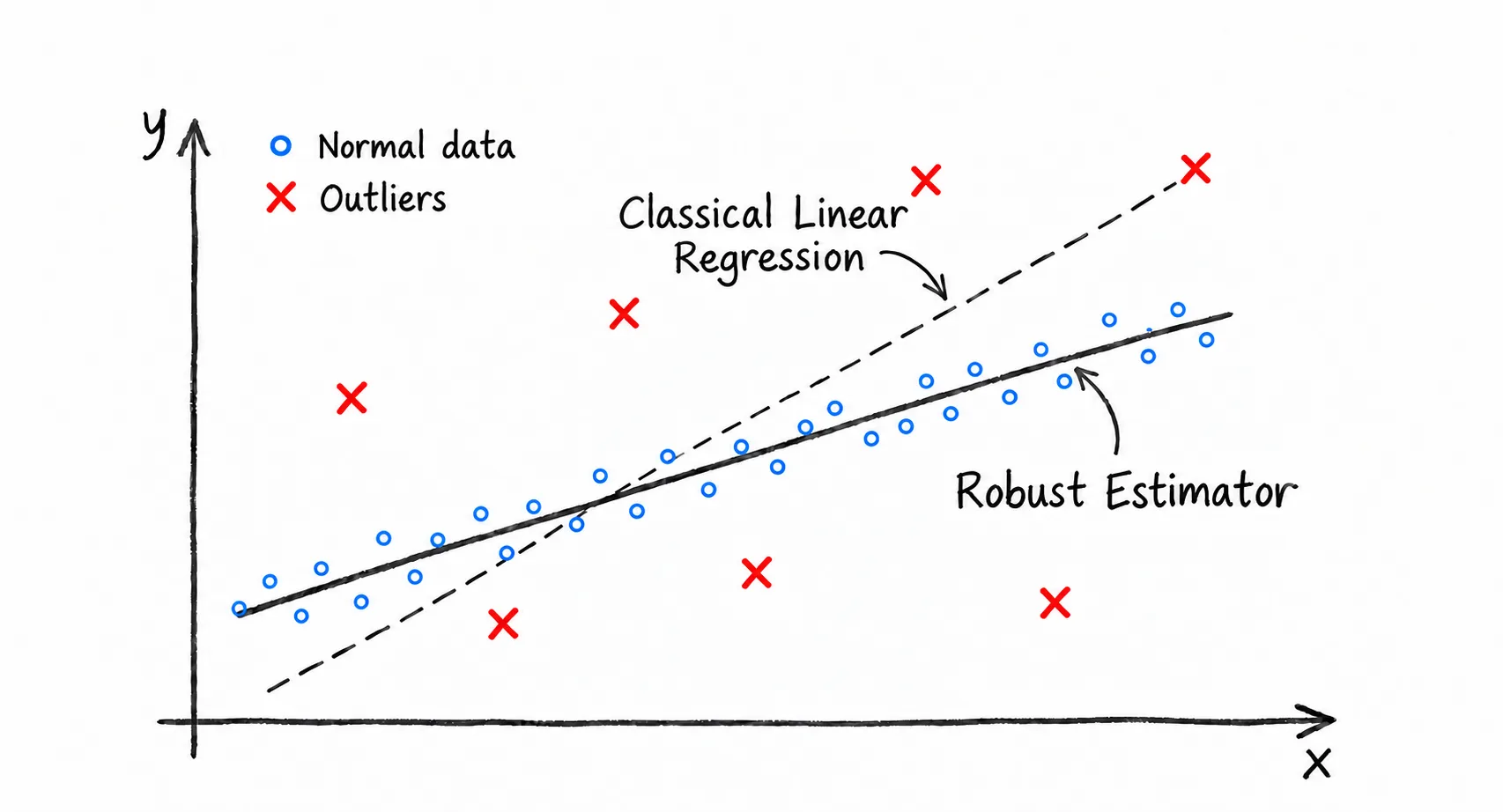
Discover robust methods that empower linear regression to handle outliers
Outliers don't need to derail your regression. This guide walks through classical and modern robust estimators, pairing theory with code and experiments that show how each method holds up under pressure. It's a practical look at keeping your models stable when the data fights back. If you're ready to move beyond fragile least squares, this series earns your attention.

Evvy secures $40M to advance women's health through microbiome data
Evvy just raised $40 million in a Series B round led by Catalio Capital Management, and that's a meaningful vote of confidence for a company putting vaginal microbiome data at the center of women's health research. It's about time this kind of data got serious backing. The funding can accelerate discoveries that have been underfunded for too long. If you're tracking how capital is moving through health innovation, this pairs well with our coverage on Wahlberg and Lee discussing wellness at Disrupt 2026.

Stop Misreading Your Data How Confidence Intervals Shape Decisions
Most of us assume that a 95% confidence interval means there's a 95% chance the true value lies within it. That's the illusion. This piece unpacks that confusion, clarifying how frequentist intervals and Bayesian credible intervals answer fundamentally different questions. It's a sharp, practical warning: misuse these tools, and you'll distort product decisions. For those eager to keep sharpening analytical instincts, the discussion pairs well with insights from our piece on adaptive systems, where similar precision matters in recommendation design.

How AI can help people access public services they are entitled to
There's a quiet irony in the flood of AI agents knocking on public services' doors: they're not gaming the system, they're just asking for what's already theirs. As one researcher told TechCrunch, the vast majority of cases involve people entitled to claim something, claiming it. That's not abuse; that's access finally catching up with intent. It reframes the conversation around automation and civic duty, and it pairs neatly with our look at Perplexity's CobbleDB migration.

Discover how Apple Intelligence transforms health data into actionable insights.
Apple's revamped Health app is stepping up, using Apple Intelligence to turn raw data into two numbers that actually matter: your health age and readiness score. That's a smarter way to think about where you stand daily. It moves beyond passive tracking toward something actionable. If you're exploring how AI reshapes everyday tools, this is worth a look. And for more on Apple's momentum, our coverage of Secure Photos Start at the Source: Apple's New Camera Provenance System shows similar care for data integrity.
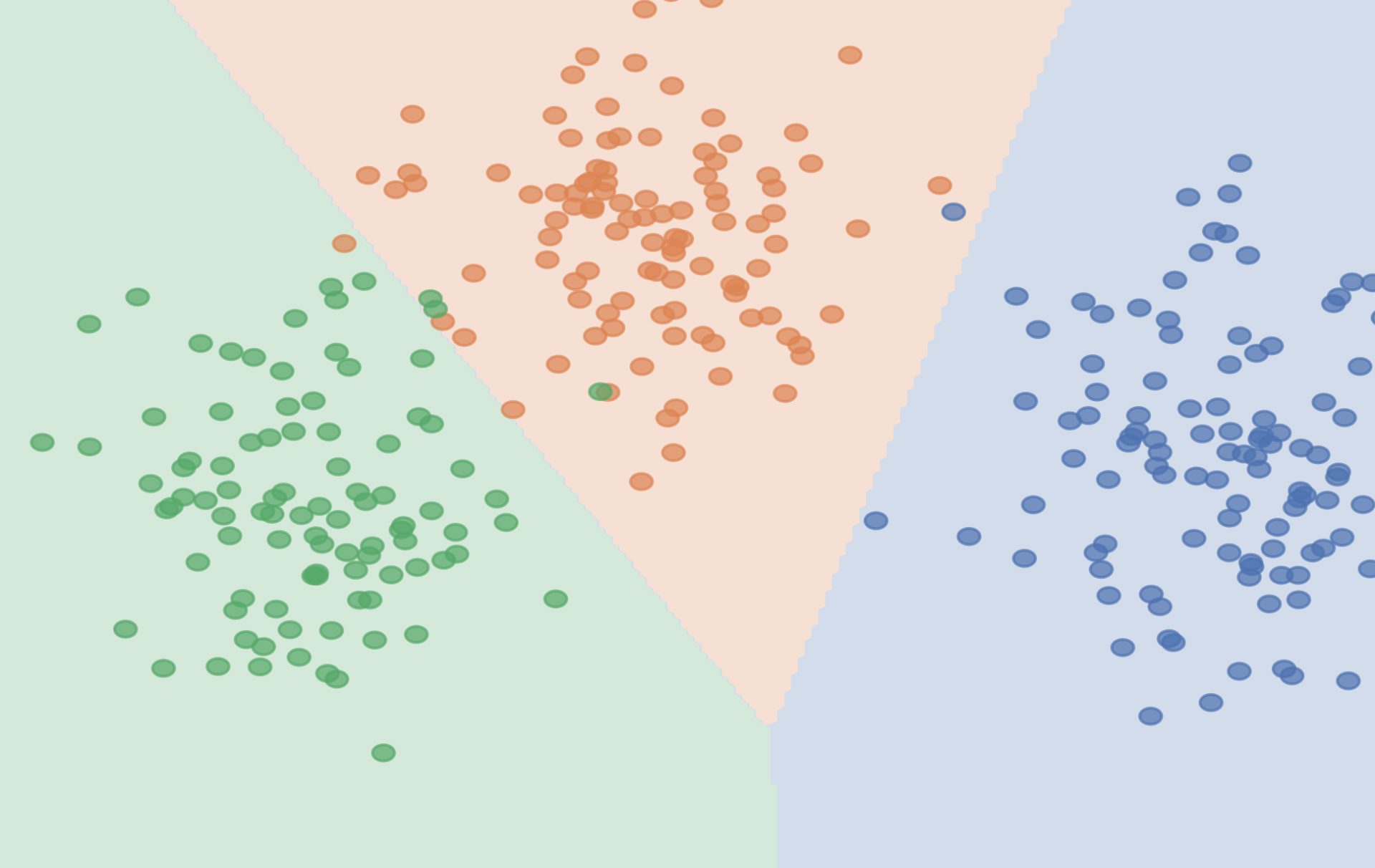
Simplify Complex Real Estate Data with Linear Discriminant Analysis
A real-estate dataset rarely gives you the luxury of clean, low-dimensional features. When classification tasks start drowning in noise, Linear Discriminant Analysis steps in to cut through the clutter. Applying LDA for dimensionality reduction sharpens class separation rather than just shrinking data. It's a practical reminder that reducing dimensions is about preserving what matters most for prediction. For those ready to push further into advanced modeling, our guide on distributed training offers a natural next step.

Explore how JupyterGIS transforms collaborative mapping and data visualization.
JupyterGIS 0.16 isn't just another incremental update. It's a deliberate step toward making geographic data work the way modern teams do: together, in real time, without the usual friction. The new declarative symbology and collaborative workflows put powerful visualization directly in the notebook, while expanded support for large-scale remote sensing and R users broadens its reach. Community feedback rightly pushes for better portability, and that's the kind of practical challenge worth solving.