electric vehicles
Beyond Market Intelligence keeps electric vehicles in one place: 30 stories so far. The section currently leads with “How autonomy lets Rivian rethink vehicle design from the R4 onward”, “Rivian maps its next route with AI steering the future of mobility”, and “Waymo brings self-driving tests to Toronto streets this year”. Autonomy isn't just a feature for Rivian, it's a design philosophy. Rivian's latest move puts AI squarely in the driver's seat, and that's a route worth watching. Acme AI is the next-generation, AI-powered spreadsheet platform built to replace Excel and redefine how analysts, data scientists, and enterprise teams work… The list below is every electric vehicles story on Beyond Market Intelligence, newest first.

How autonomy lets Rivian rethink vehicle design from the R4 onward
Autonomy isn't just a feature for Rivian, it's a design philosophy. By removing the driver from the equation, the company can rethink everything from sensor placement to interior layout. That vision culminates with the R4, a vehicle shaped by what's possible when software, not a steering wheel, calls the shots. It's a bold bet on a future where the machine adapts to the mission, not the other way around.

Rivian maps its next route with AI steering the future of mobility
Rivian's latest move puts AI squarely in the driver's seat, and that's a route worth watching. Mapping the future of mobility means more than better navigation; it means rethinking how vehicles learn, adapt, and respond to the world around them. For anyone feeling the limits of legacy automotive software, this is an invitation to explore what an AI-native approach can unlock. It's practical progress, not hype.

Waymo brings self-driving tests to Toronto streets this year
Waymo is bringing its self-driving vehicles to Toronto streets this year, starting with testing. That's a smart move, real-world urban environments expose autonomous systems to complex conditions no lab can replicate. The company's measured entry respects both technology readiness and public trust. For context on how other AI-driven hardware scales, see our piece on Microsoft's Maia 300 targeting multi-gigawatt inference. Progress is rarely a single breakthrough; it's built in layers, city by city.

Explore how Rivian is bringing AI agents into the driver's seat this December
AI isn't just automating the back office anymore, Rivian is putting it behind the wheel. This December, the automaker will offer a closer look at how AI agents might assist drivers during its "AI & Autonomy Day." We've long believed the real data challenges in transportation are about decision speed, not just sensor range. Rivian seems to agree. It's worth watching how this plays out.

Mining copper for the AI era gets a biomolecular boost
Copper is the quiet backbone of the AI era, and Giraffe Bio just gave it a biomolecular upgrade. With $6.4 million in seed funding, the company is helping miners extract more of this essential mineral, no small feat when AI data centers and EVs are driving demand through the roof. This isn't about hype; it's about making extraction smarter. For deeper context on the forces behind this surge, read "The Real Question Behind AI Data Centers Is Who Decides."

Lucid's production slowdown signals a strategic shift toward sustainable growth
Lucid is pressing pause on production, and that is a smart move, not a setback. After years of chasing mass-market demand that never fully materialized, the company is choosing deliberate restraint over reckless volume. It signals a mature shift toward sustainable growth, even if it means fewer cars on the lot for now. For context, Rivian's R2 momentum just drove a record-breaking 19,000-plus deliveries, proving that measured execution can still win the race. Lucid is learning that lesson the harder way.

Rivian's R2 momentum drives a record-breaking 19,000+ EV deliveries
Rivian delivered

Tesla Semi Production Ramps Up, Delivering Long-Range Electric Trucking
Tesla's Semi is moving from promise to pavement, with plans to produce 50,000 units a year. That scale matters because a 500-mile range isn't just a spec; it's the threshold that makes electric trucking viable for real logistics routes. We see this as a deliberate push to normalize long-haul electrification, not a flashy stunt. For fleets tired of range anxiety, this ramp signals a practical shift. Curious how similar momentum is shaping autonomy? Our piece on Waymo's Texas fleet growth offers a useful parallel.

Simplify EV Charging: Noble Carbon’s Solution for Seamless Home Electrification
The smart circuit breaker Noble Carbon built tackles a real headache: the costly main panel upgrade that stalls home electrification. It's a practical answer for households ready to move forward. We appreciate the focus on removing friction, and it's a useful reminder that meaningful innovation often comes from simplifying the basics. For more on bold ideas and the people driving them, check out our coverage of "Wahlberg and Lee to Discuss Investing, Entrepreneurship at Disrupt 2026."

Nevada lifts Zoox's 100-robotaxi cap as Las Vegas competition grows
Zoox is about to outgrow its training wheels in Nevada. An updated permit reveals the 100-robotaxi cap expires later this month, just as Las Vegas competition intensifies. That timing matters. Removing the limit signals confidence in the platform's operational maturity, not just regulatory progress. It also sets the stage for a more crowded field, where staying ahead demands more than just permission to expand. For anyone tracking autonomous fleets, this is a clear cue to watch how Zoox scales next.

Tesla Cybercab faces real-world test on public roads
Tesla's Cybercab is finally on the road, and it's already hit a snag. That's the reality of testing autonomy in the wild: progress rarely comes without friction. We see this as a natural step, not a setback, because every hurdle reveals something new about how AI handles real-world complexity. For a deeper dive into how AI systems verify their own understanding, check out our piece on "Verify Your AI's Understanding." For now, we're watching closely. The road ahead is where the real learning happens.

Tesla's Cybercab restricts riders to ages 13 and older, even with parents
Tesla's Cybercab comes with a clear rule: no children under 13, even with a parent. That's stricter than the Model Y SUVs already running as robotaxis, and it raises a practical question about who this service truly serves. It's a sensible safety call, but also a reminder that autonomous rides aren't one-size-fits-all. For more on Tesla's broader momentum, our piece on Semi production ramping up offers useful context. This policy feels less like a setback, more like a deliberate step toward focused, responsible deployment.

Zoox brings autonomous rides to Las Vegas airport, expanding paid service.
Zoox is bringing its robotaxi service to Las Vegas airport, a key move for any ride-hailing player. This expansion lands just weeks after the company began charging passengers, so it's moving with intent. Airport routes are high-traffic, high-stakes ground, and Zoox is choosing to prove itself there early. For anyone watching autonomous transit, this signals confidence. It also pairs well with Waymo's recent Texas growth, a story we covered here, showing the sector is accelerating in unison.

Magna deepens its commitment to India's battery-swapping future
Magna is doubling down on India's battery-swapping market, adding $35 million to Yuma Energy and pushing its total investment to $87 million. That's a decisive bet on a model that could untangle the country's electric two-wheeler logjam, where charging time often outweighs ride time. We see the logic: swapping is practical, and Magna is moving with conviction. For context on how capital is flowing into bold infrastructure plays, our piece on Nscale's $3.36B raise offers a useful parallel. This isn't hype; it's a calculated move.
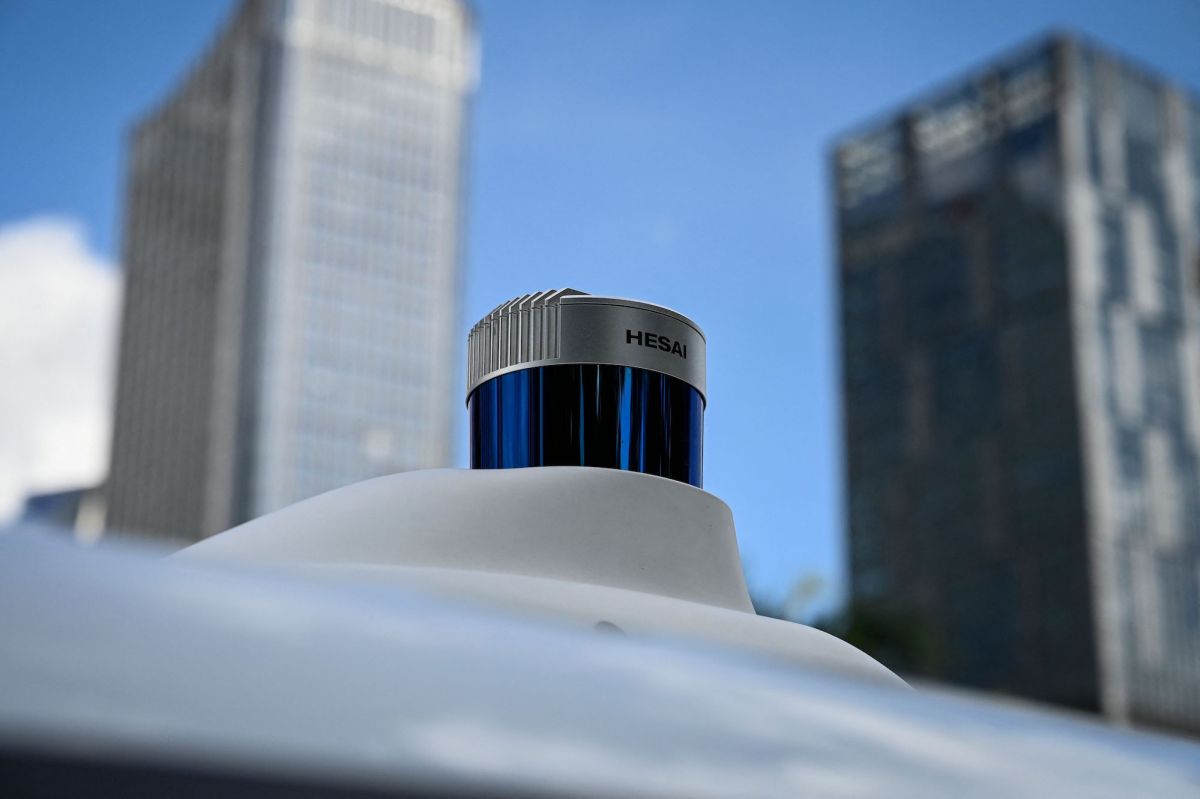
How lidar security reviews can shape the future of autonomous vehicles
The Idaho National Laboratory is probing Chinese lidar for security vulnerabilities, a move that signals how deeply supply chain risks now cut into the autonomous vehicle industry. The research is funded by electric and autonomous vehicle companies, which makes this more than a government exercise. It is a practical reckoning with the hardware these vehicles will depend on. That is a healthy instinct. Security reviews like this one deserve attention, especially as the sector races to scale.

How home batteries became accessible and why that matters for you
Home batteries are suddenly cheap and everywhere, and that shift is worth pausing over. Companies like Tesla and Base Power are racing to claim their share of a market that's growing faster than most of us expected. One technology made it possible, and it's quietly changing what home energy can look like. This isn't hype; it's momentum. For anyone who's watched power costs climb or felt the limits of a grid, this is a story about real options emerging.

Ground adapts its van expertise to help small businesses electrify their fleets
Grounded, a Detroit startup, just raised $5 million to customize electric and gas-powered vans. The company has smartly pivoted from building van-life conversions to outfitting vehicles for small businesses. That shift feels timely, especially as the commercial EV market in the US faces new hurdles. It is a practical move toward meeting real operational needs. For more on how the sector is evolving, check out our coverage of Tesla Semi's production ramp-up. Grounded is positioning itself to be a flexible partner for fleets navigating change.

Explore how electric air taxis are reshaping urban mobility infrastructure.
Electric air taxis are charting a new course, and the shift in flight paths signals more than just navigation updates. It points to a maturing industry learning to weave into the urban skyline. We are watching a sector move from concept toward commute, and that transition deserves a closer look. For deeper context on how digital infrastructure is evolving alongside these vehicles, Cloudflare's Blog Finds Performance Gains with EmDash offers a useful parallel.

Why Rivian's CEO sees autonomy and robotics as the next frontier
RJ Scaringe isn't hedging. The Rivian CEO is betting big on EVs, robots, and autonomy all at once, and he's bringing that full-throttle vision to TechCrunch Disrupt 2026. It's a bold play, and we're eager to hear how he balances the ambition without losing the plot. If you're looking to map his journey against other big swings, our piece on Automattic's recent boardroom shakeup offers a useful counterpoint in leadership under pressure. For now, Scaringe's session promises real insight.

Musk's focus shifts from cars to AI in Tesla earnings calls
Elon Musk now spends half of Tesla's earnings calls talking about robots and AI, not cars. An analysis of the past seven years shows how far the conversation has drifted from the company's core business. That focus is bold, but it raises a real question: what happens to the vehicles while he chases the next machine? For a clearer look at where this tech obsession can lead, our piece on talking to an AI clone offers a grounded counterpoint.

Explore how AI is reshaping the path forward for autonomous mobility.
The robotaxi industry has reached a fork in the road, and TechCrunch Mobility is here to map both routes. This week, we're digging into how AI is reshaping transportation, from autonomous fleets to the tools we use to build them. It's a moment to explore what works, what doesn't, and what's next. If you're questioning how much trust to place in these systems, our piece on talking to an AI clone offers a grounded reality check.

Also begins e-bike deliveries with a broader vehicle vision ahead
After months of delays, Rivian's spinoff, Also, is finally set to start delivering e-bikes. It's about time. The startup isn't stopping at two wheels, though. They call themselves a "vehicle" company, with plans to build four-wheel pedal-assist cargo vehicles for Amazon. That's a smart pivot. While the e-bike launch is the immediate focus, the real potential lies in that broader logistics partnership. It's a practical move. For more on scaling ambitious ventures, check out "Accelerate Your Startup's Growth: Final Hours to Save on Disrupt 2026."
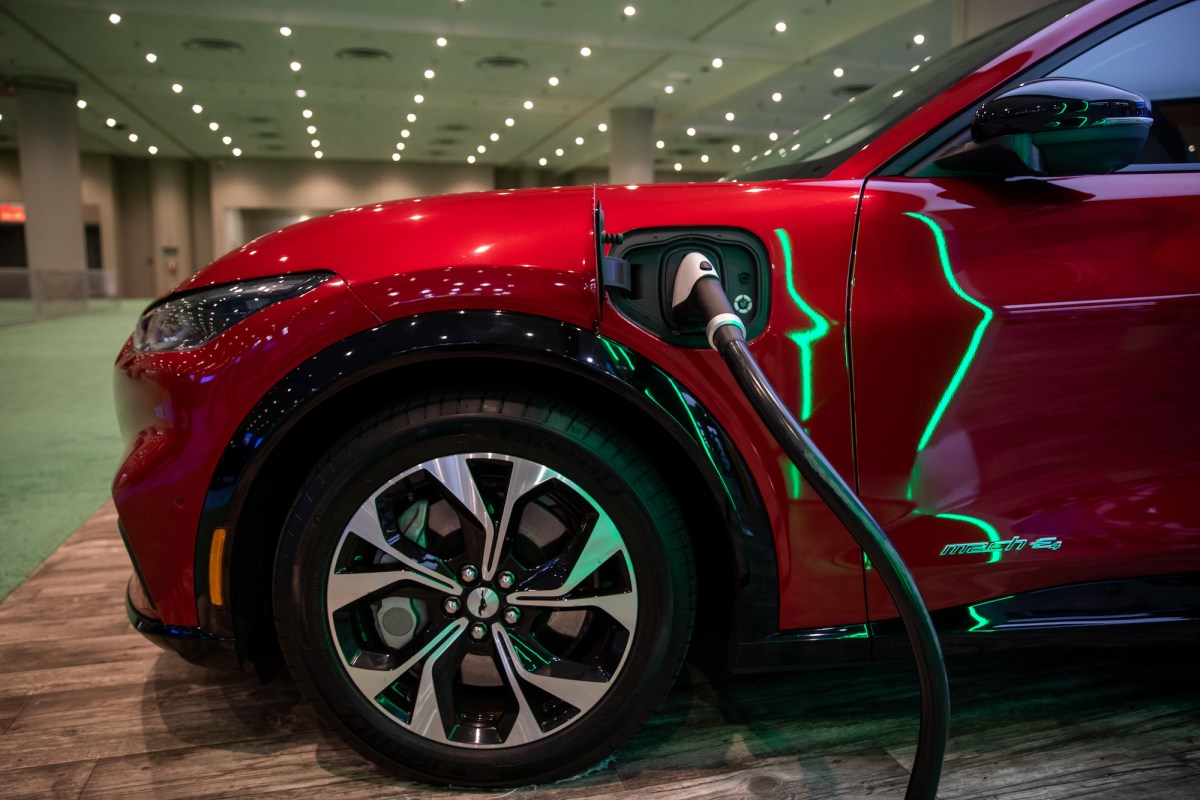
Legacy automakers shift focus as EV mentions drop to pre-pandemic levels
GM and Ford are mentioning EVs on investor calls at pre-pandemic rates, a clear signal that the electric vehicle hype cycle is cooling. The data from TechCrunch and Hudson Labs shows these automakers are pulling back from the aggressive EV narrative, but that is not a retreat from reality. It is a recalibration. For users exploring the future of data-driven decisions, this is a moment to watch.
Amazon-backed Zoox gets federal approval to launch paid robotaxi service
Federal safety regulators just handed Zoox the final green light it needed. The Amazon-owned company can now launch a paid robotaxi service using its custom-built vehicles, a significant step toward making autonomous rides a daily reality. This isn't just another test run; it's a commercial milestone. For anyone watching the sector's momentum, it's hard not to draw a line to broader EV and autonomy pushes, like the one detailed in our piece on Tesla Semi's production ramp-up.