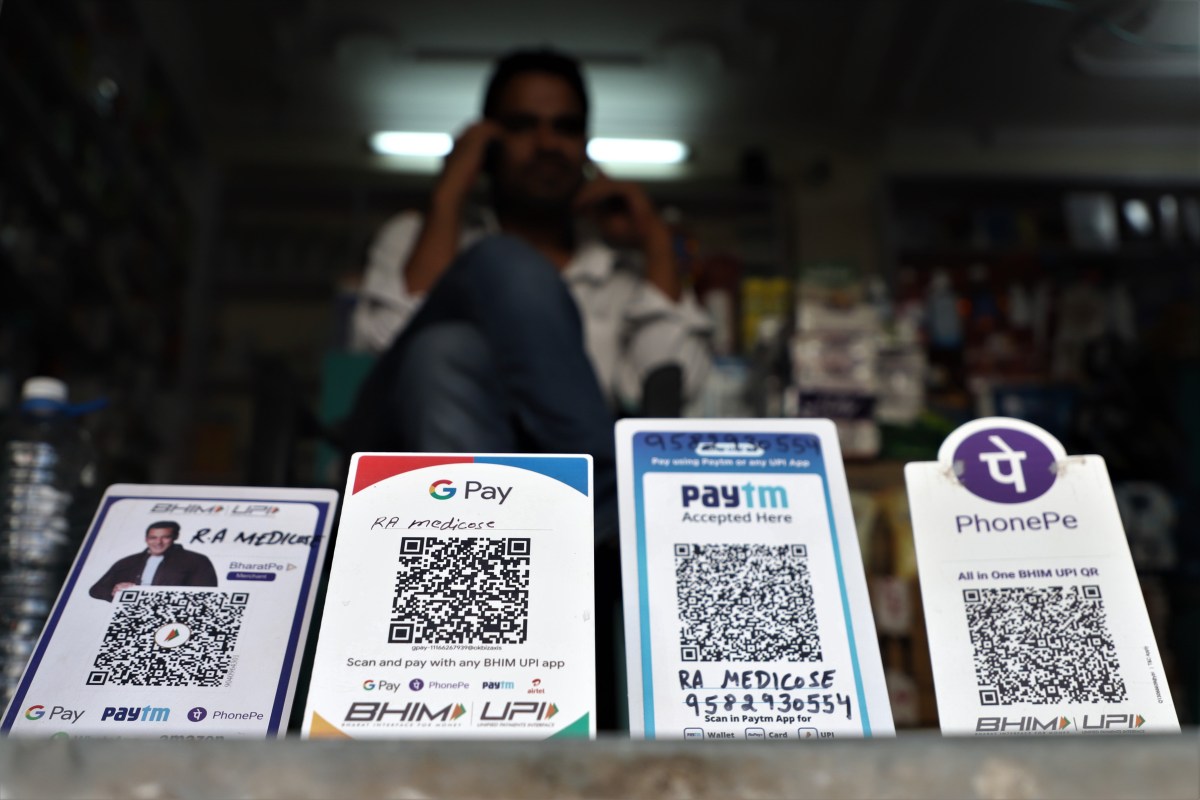
India's decision to postpone the UPI fee rollout until after the festive season tells you everything you need to know about how important digital payments have become to the country's economic rhythm. The NPCI's move is a pragmatic concession to reality: when millions of small merchants and shoppers are transacting at peak volume, introducing even a 0.4% cost is a risk no regulator wants to take. But this delay also raises a more fundamental question that India's data and payments ecosystem has yet to answer, who ultimately carries the cost of a system that has become too essential to disrupt?
This is not the first moment India has paused to weigh the consequences of its digital infrastructure's rapid expansion. As we explored in our coverage of When Data Control Becomes a National Debate in India, the tension between access, control, and ownership runs deep across the country's tech landscape. The UPI fee debate is a microcosm of that same struggle. On one side, banks and payment firms argue they need revenue to sustain a network processing billions of transactions monthly. On the other, merchants and users have grown accustomed to zero-cost transfers, and any fee, no matter how small, threatens to shift behavior in a market where margins are razor-thin. The festive season is precisely when those margins matter most. By delaying, the NPCI is acknowledging that digital payment adoption is still fragile at the edges.
That fragility extends well beyond payments. The same regulatory caution that delayed Starlink's market entry, a saga we've tracked closely, reflects a broader pattern: India's digital roadmap is shaped as much by political and social pressures as by technical readiness. In Musk presses Ambani question as Starlink's India launch stays stalled, the question of who controls access to critical infrastructure surfaced again. UPI is no different. A fee decision delayed is not a fee decision abandoned. The NPCI will have to revisit this, and when it does, the debate will be about more than pricing, it will be about whether India's most successful digital public good can generate its own oxygen without losing the trust that made it ubiquitous.
The takeaway is direct: watch what happens after Diwali. If the fee is quietly shelved, it signals that zero-cost payments are a permanent expectation, not a temporary feature. If it returns with adjustments, expect a political and commercial fight that will define the next chapter of India's digital economy. For now, the NPCI chose the path of least resistance. That is rarely the same as the path of lasting clarity.