Tesla recalls 3 million cars as part of China-wide push to stop hidden door handles
Our take
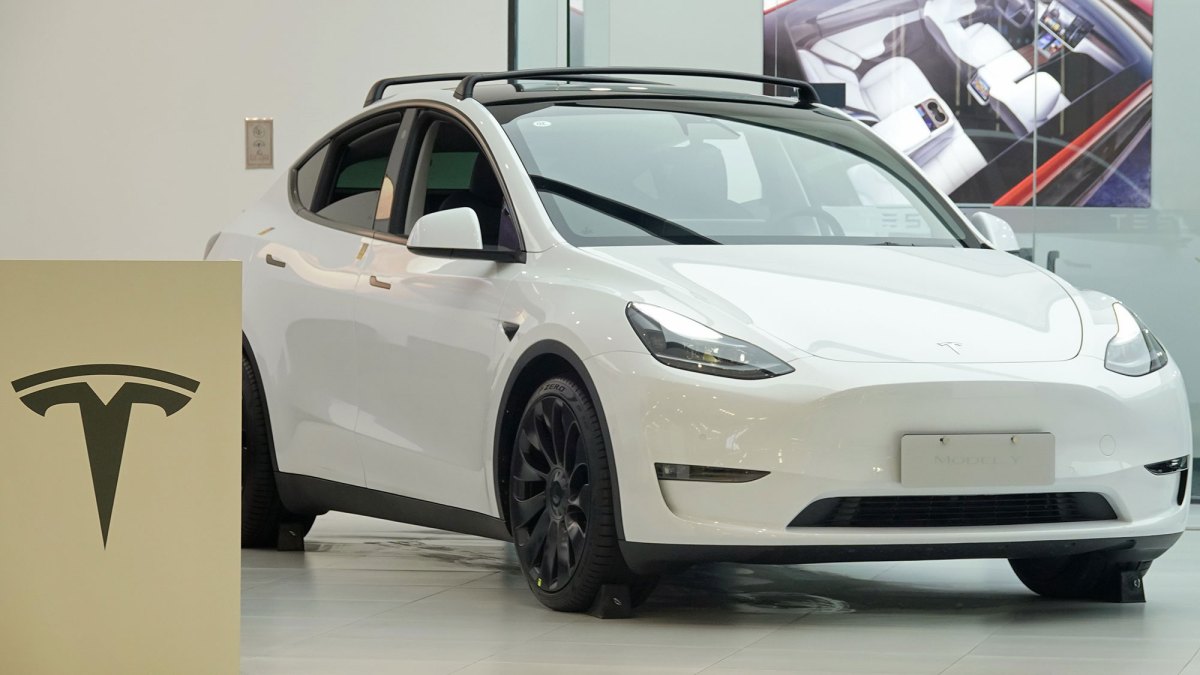
The recent recall of three million Tesla vehicles, alongside eight other automakers, to address the issue of obscured manual door releases, highlights a critical intersection of design aesthetics and user safety. While seemingly minor, this action underscores a broader trend: the increasing complexity of vehicle interfaces, often prioritized for style over intuitive functionality. It’s a reminder that even the most technologically advanced vehicles shouldn’t sacrifice basic usability, particularly when it concerns emergency egress. This isn't an isolated incident; Waymo is currently facing scrutiny from NHTSA regarding a recent child collision, and the responses to their inquiries are heavily redacted, Waymo hands over documents in NHTSA’s child collision probe, suggesting a deeper examination of autonomous vehicle safety protocols is underway. The focus on warning labels represents a pragmatic, albeit reactive, solution—a band-aid on a design flaw.
The implications extend beyond Tesla and its competitors. It reveals a potential systemic issue within the automotive industry, where designers and engineers might be overly focused on sleek, minimalist aesthetics, sometimes at the expense of clear and easily accessible safety features. This isn’t to suggest a wholesale rejection of modern design principles, but rather a call for a more thoughtful and human-centered approach. The push towards electric vehicle adoption, and the accompanying surge in home battery installations, Home batteries are suddenly cheap and everywhere. Here’s why, also demonstrates a shifting landscape where technology is interwoven into daily life, demanding a renewed focus on usability across all applications. The electric air taxi space, as explored in TechCrunch Mobility: The shifting flight path of electric air taxis, further emphasizes the need for intuitive controls and clear safety mechanisms as these new modes of transportation become more commonplace.
The recall itself shouldn't be viewed as a reflection of Tesla’s overall engineering prowess, but rather as a necessary correction to a design choice that, while visually appealing, created a potential hazard. It also serves as a valuable lesson for other automakers who might be tempted to prioritize aesthetics over functionality in their pursuit of modern vehicle design. The fact that multiple manufacturers are facing similar concerns suggests a widespread need for a reevaluation of design priorities, particularly as vehicles become increasingly complex with advanced driver-assistance systems and intricate interior layouts. The adoption of warning labels is a short-term fix, but a more lasting solution requires a fundamental shift in the design process, incorporating rigorous usability testing and prioritizing user safety above all else.
Looking ahead, it will be interesting to see if this recall prompts a broader industry-wide conversation about design standards and safety protocols. Will regulatory bodies step in to mandate clearer guidelines for essential vehicle features? Will consumers demand greater transparency and usability in vehicle design? The Tesla recall acts as a catalyst, highlighting the importance of human-centered design in a rapidly evolving automotive landscape. The question remains: will the industry learn from this experience and proactively prioritize safety and usability, or will we continue to see reactive measures addressing design flaws after they've become apparent?
Read on the original site
Open the publisher's page for the full experience