AI adoption
AI adoption at Beyond Market Intelligence is a file of 19 stories. The newest of them: “What Legacy Digital Shifts Can Teach Us About Smarter AI Adoption”, “Unlock AI’s Enterprise Potential: Navigating Adoption and Ethical Considerations”, and “See Through the Hype of Your AI Feature's Adoption Numbers”. Paul Boag revisits his own book, *Digital Adaptation*, to argue that the best guide to AI adoption is already written in the history of digital transformation. Enterprise AI is moving fast, and this conversation cuts through the noise. Acme AI is the next-generation, AI-powered spreadsheet platform built to replace Excel and redefine how analysts, data scientists, and enterprise teams work… The list below is every AI adoption story on Beyond Market Intelligence, newest first.
What Legacy Digital Shifts Can Teach Us About Smarter AI Adoption
Paul Boag revisits his own book, *Digital Adaptation*, to argue that the best guide to AI adoption is already written in the history of digital transformation. The lessons are there, if we choose to learn them. Legacy shifts teach us that technology alone never drives change, culture and process do. For a deeper look at how failure fuels better products, see our related piece, "Learning from failure is how great products are built."

Unlock AI’s Enterprise Potential: Navigating Adoption and Ethical Considerations
Enterprise AI is moving fast, and this conversation cuts through the noise. Meryem Arik, Clara Higuera Cabañes, and Jeff Smith tackle the rush toward adoption without losing sight of what matters: reliability and ethics. They frame this as an industrial moment, where the pressure to stay competitive can outpace careful implementation. It's a grounded look at how software engineering fits into this shift.
See Through the Hype of Your AI Feature's Adoption Numbers
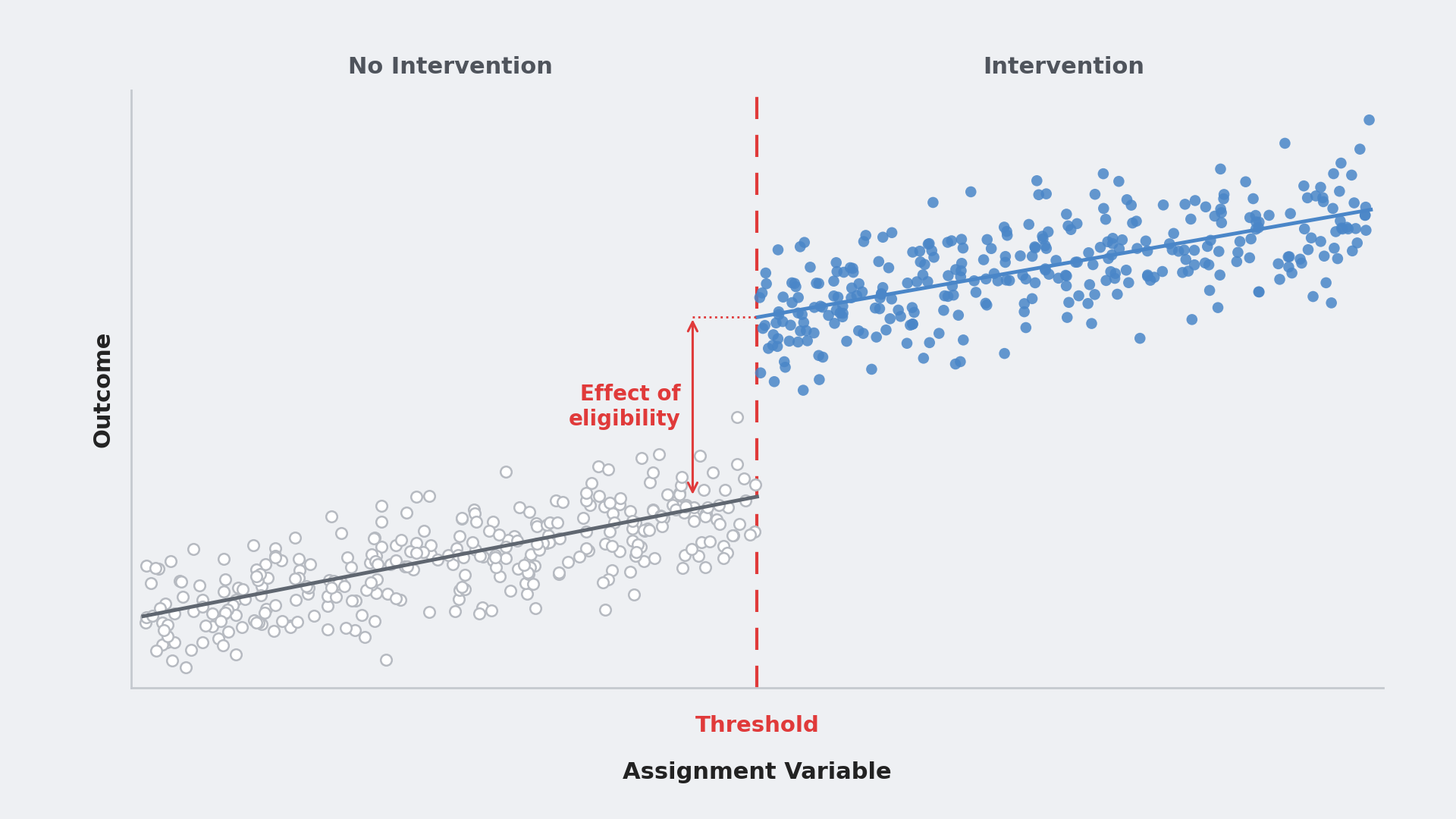
When a team opts into an AI feature, the lift you measure isn't just the tool's effect. It's a selection effect, a reflection of who chose to engage. This guide offers a practical framework for estimating what that opt-in feature actually did, even without randomization. It's a sharp, honest look at a messy problem. For practitioners ready to dig deeper into the mechanics of modern AI systems, our guide to distributed algorithms pairs well with this mindset.

As AI costs drop, employee adoption signals a smarter shift
August's data shows AI spend per employee dipping at top firms, even as token costs fall and cheaper models flood the market. That's not the adoption curve hyperscalers banked on. It's tempting to call it summer doldrums, but the signal is worth reading straight: enterprises are pausing, not retreating. They're weighing efficiency against experimentation. For teams navigating this, the real work isn't chasing volume, it's building guardrails that make AI sustainable.

AI-Powered Engineering: How Platforms Can Adapt and Empower Developers
Platform teams are no longer just infrastructure keepers. They are the ones deciding how AI-assisted engineering actually takes shape. In this discussion, Stéphane Di Cesare, Davide de Paolis, Stephen Cihak, Camila Macedo, and Renato Losio get into the real trade-offs: where standardization helps, where it stifles, and how to build guardrails without strangling developer autonomy. It is a practical look at shifting workflows. For a deeper angle on how AI changes the skills we expect, check out "Navigating AI/ML Job Requirements."

Google Cloud and Accenture team up to accelerate enterprise AI adoption
Google Cloud's new Accenture partnership is a calculated bet that forward-deployed engineers, not just flashy models, will close the AI adoption gap. It's a pragmatic move, acknowledging that deployment bottlenecks are where good ideas stall. Pair this with our guide, "Verify Your AI's Understanding: A Simple Check for Tax Season," and you'll see the same theme: execution is the real differentiator. This isn't about hype; it's about showing up where the work happens.

Reduce Uncertainty Before Agents Speed Up Your Data Workflows
Agentic AI moves fast. Too fast to skip the hard part. Before you let it run, you need to be sure you're solving the right problem. This practical framework helps you slow down, reduce uncertainty, and get clarity before the acceleration begins. It's a smart, grounded read. For more on how agents handle tasks, check out *Bridging Retrieval and Action* to see the mechanics in action.
AI agents expand your workflow, not replace your role
The narrative that AI agents are quietly absorbing our jobs misses what's actually happening. We're seeing more work, not less, as these tools take over the tedious parts and leave us with richer, more complex problems to solve. It's a shift in effort, not a reduction of it. If you're exploring how this infrastructure is being built, our piece on Anthropic's bet with Akamai's cloud offers useful context.
Navigate Your Enterprise AI Future with Clear Data Leadership
The questions we ask about data and AI leadership now will shape how enterprises actually adopt these technologies. If you're responsible for turning strategy into reality, this conversation cuts through the noise. It's not about hype; it's about making practical choices that stick. We've been exploring similar tensions elsewhere, like in our piece on verifying AI understanding, which underscores why clarity matters. So, step in. The answers won't wait, and neither should you.

OpenAI's next step brings AI agents from developers to everyday users
OpenAI is bringing AI agents out of the lab and into the mainstream, aiming to handle everything from coding to daily tasks. The question isn't whether the technology works, but whether people will trust it enough to hand over the reins. That's a human hurdle, not just a technical one. As these agents move from software engineers to the masses, the stakes grow. For deeper context on the risks, our piece on AI agents sharing user images is worth a look.

Fickle enterprise loyalty signals a shift in how AI spending flows.
New data shows OpenAI gaining ground with business users as Anthropic holds its own, but the real story is how willingly companies switch between them. Each new model release prompts another flop, and that volatility should worry both investors. Enterprise AI spending looks less sticky than the hype suggests. For a deeper look at how these tools shape user trust, check out "Talking to My AI Clone Taught Me to Question the Tech." The takeaway: loyalty is provisional when every lab keeps raising the bar.

The path ahead for AI is acceptance, not just adoption
The promise was that AI would win us over by now, yet it hasn't. As the technology becomes harder to avoid, consumers are growing more wary, and Silicon Valley is discovering that widespread adoption doesn't guarantee acceptance. That gap between usage and trust is the real story here. It's not about capability; it's about connection.

Explore how teams balance AI progress with human-centered engineering in 2026
The 2026 Engineering Culture Trends Report zeroes in on something easy to overlook: the humans behind the algorithms. Ben Linders and his panel of QCon speakers and InfoQ contributors tackle AI adoption maturity, shifting team structures, and the roles that are transforming as a result. It is a grounded look at what changes when engineering cultures evolve. For a deeper dive into the enterprise side, our related article, "Unlock AI's Enterprise Potential," pairs well with this discussion.

Move Beyond Token Metrics to True AI-Driven Delivery
Engineering leaders are pouring money into AI, yet software delivery often stalls. That's the puzzle Lizzie Matusov, CEO of Quotient, tackles head-on. She argues that soaring spend misses the mark when teams chase vanity metrics like token usage. Instead, she introduces a research-backed maturity framework to help leaders identify where adoption gets stuck, align their organizations, and focus on real bottlenecks across the development lifecycle. It's a grounded, practical call to move from activity to measurable outcomes.

Mature platform engineering unlocks sustainable AI value for enterprises.
Perforce's 2026 Platform Engineering Report makes one thing clear: maturity in this space now separates AI experiments from operational wins. The report's findings suggest organizations that treat platform engineering as a strategic discipline are better positioned to turn AI adoption into lasting value. That's a practical, grounded perspective we can get behind. For a related look at how AI behaves in practice, our piece "Talking to My AI Clone Taught Me to Question the Tech" offers a useful counterpoint worth exploring.

June raises $20 million to make AI deployment simpler and more accessible
June emerged from stealth today with a $20 million pre-seed round, a clear signal that Marc Benioff-backed investors see real potential in simplifying AI adoption. The startup's premise is refreshingly direct: the hardest part of AI isn't building it, it's deploying it without drowning in complexity. That resonates. We've explored the human side of these tools before, like in our piece on questioning AI clones, and this feels like a natural next step.

Build your own AI layer or risk losing control of your data future.
Satya Nadella's warning cuts to the heart of the AI rush: lean on a single model for everything, and you might not survive the decade. He's right to push for ownership, whether that means building your own models or layering in AI gateways to keep your prompts separate from the model itself. It's not about tech for tech's sake; it's about control and adaptability. If you're questioning how deep this dependency runs, our piece on talking to an AI clone offers a timely reality check.

Stop optimizing individuals and start designing AI for teams
Most companies treat AI as a personal productivity hack. Atlassian's Dr. Molly Sands argues that's the wrong lens. Her team's research found 89% of executives see individual speed improving, yet only 6% can point to clear ROI. That gap isn't a technology problem. It's a collaboration problem. The winning 14% of teams shared context, redesigned workflows, and built cultures that encouraged experimentation. AI doesn't create new management issues; it exposes old ones. That's a bracing, useful insight for any leader.

Embedding engineers inside enterprises to accelerate real AI adoption
Anthropic and Blackstone are betting that the next trillion-dollar AI opportunity isn't the model itself, but the messy work of making it useful inside a business. That's why Ode has launched, embedding forward-deployed engineers directly into enterprises. It's a grounded bet, and a smart one. Implementation is where adoption stalls, and where value gets unlocked. We've been questioning how AI touches our own workflows, and that kind of scrutiny matters here.