The most damning insight in Paul Boag's retrospective on digital transformation is not that organizations repeat mistakes, but that they repeat them with the same theatrical confidence. His argument that AI adoption is being treated as a technological rollout rather than a cultural shift echoes what we have long argued about product development: Learning from failure is how great products are built, and that lesson is being ignored at the enterprise level. When IT departments hand out Copilot licenses and declare victory, they are not solving a workflow problem; they are creating a morale problem.
The core of Boag's critique is uncomfortable because it is accurate. Staff are not resisting AI because they are technophobes. They are resisting because the value proposition is one-sided. Management sees productivity gains, but employees see more work squeezed into the same hours without additional compensation or time back. This is not a training issue; it is an incentive issue. If your organization cannot answer why a skeptical employee should embrace a tool that threatens their job security and adds to their workload, no amount of generic onboarding sessions will fix that. The practical move here is to stop selling AI as a productivity multiplier and start selling it as a pain remover. Identify the tasks people hate, show them how AI eliminates that drudgery, and you have a chance. Demand they adopt it to hit higher targets, and you have a rebellion.
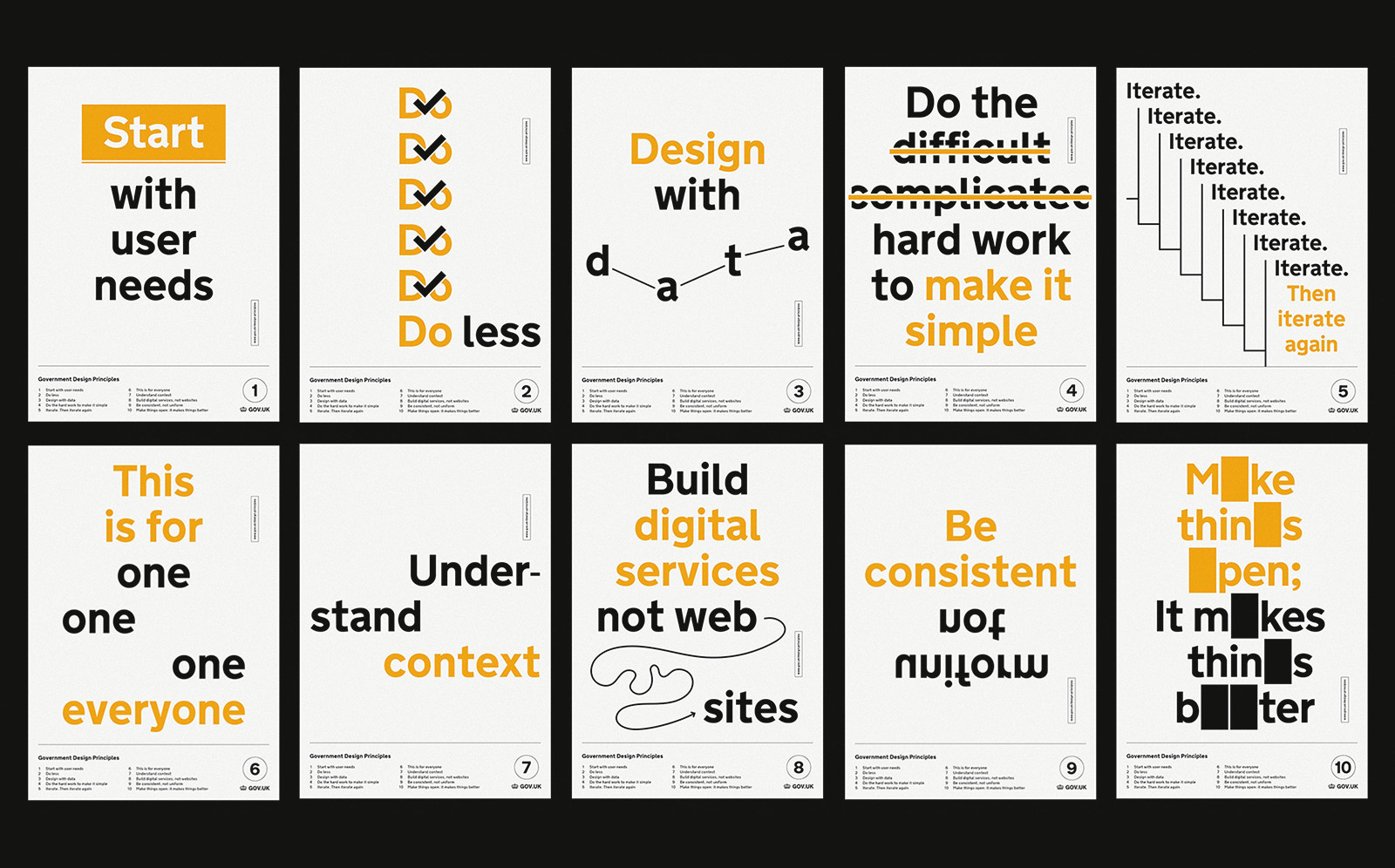
The second failure Boag identifies is the absence of psychological safety, and this connects directly to the broader challenge of AI sharpens focus but true productivity still depends on how we use it. You cannot experiment your way to better workflows if mistakes are punished. Boag's examples of staff being reprimanded for token usage or buried under governance documents are not anomalies; they are the predictable outcome of leadership that wants innovation without tolerating the messiness of learning. The organizations that succeed will be the ones that adjust KPIs during the adoption phase, create internal showcases where enthusiasts demonstrate what works, and keep governance to a set of principles that fit on a poster. That is not reckless. It is pragmatic.
The open question that should worry every leader is whether their culture can actually support this. Boag's suggestion to start with enthusiasts rather than resisters is sound, but it requires leadership to trust employees with judgment. If your first instinct is to monitor token usage or write a thirty-page policy, you have already answered the question. The specific thing to watch is your own review cycle. If annual reviews still penalize failed experiments while leadership demands AI adoption, you are not building a smarter workforce; you are building a more cynical one. The takeaway is direct: before you buy another license, rewrite your performance metrics to reward safe experimentation, and give staff the time to figure out what actually helps them. Otherwise, you are paying for a tool that will be used as an expensive email client.