AI assistant
Beyond Market Intelligence keeps AI assistant in one place: 27 stories so far. The section currently leads with “Your AI assistant now learns from your Google services to guide the drive”, “A decade-old AI vision becomes a free assistant you can download today”, and “Smarter AI Memory Saves 20x Cost Without Sacrificing Performance”. Your car is about to get a lot more personal. More than a decade ago, Eugenia Kuyda saw where AI was heading. Acme AI is the next-generation, AI-powered spreadsheet platform built to replace Excel and redefine how analysts, data scientists, and enterprise teams work… The list below is every AI assistant story on Beyond Market Intelligence, newest first.

Your AI assistant now learns from your Google services to guide the drive
Your car is about to get a lot more personal. Google is bringing Gemini's Personal Intelligence to vehicles, letting its AI assistant pull context from Gmail, Calendar, Maps, and YouTube to tailor responses while you drive. This transforms the in-car assistant from a simple navigator into a proactive guide that knows your schedule and preferences. For a deeper look at how AI assistants are evolving, see our piece on Wabi, a new app that turns a decade-old AI vision into a free, downloadable companion.

A decade-old AI vision becomes a free assistant you can download today
More than a decade ago, Eugenia Kuyda saw where AI was heading. That vision is now Wabi: a personal AI assistant, free to download, available today. No hype, no waiting, just a tool designed to work with you. It's a quiet but confident step forward for accessible AI, and it arrives alongside news that competitors like Tolan are pulling in major funding to serve their growing user base. Wabi's timing feels deliberate.
Smarter AI Memory Saves 20x Cost Without Sacrificing Performance
Pasting an entire chat history costs 20 to 31 times more than a smarter memory system, yet delivers no better results. That's the finding from testing four ways to give an AI assistant memory. The obvious approach, dumping everything in, was the worst value. For anyone building AI tools, this is the kind of practical insight that saves real money. It echoes the collaborative thinking behind our coverage of vote-based federated selection, where institutions choose features without sharing raw data.

Explore how Sigil Wen's free on-device AI redefines private data assistance
Sigil Wen, backed by a roster of Silicon Valley heavyweights, has built an on-device AI assistant that is free, fully private, and genuinely capable for everyday tasks. This isn't another cloud-dependent experiment. Wen's approach puts control back in your hands, making private data assistance accessible without compromise. For those tracking the broader push toward user sovereignty, our coverage of how LibreOffice confirms AI won't be in its default setup offers a complementary perspective on privacy-first design.

Meta's Muse AI Assistant Draws Inspiration from OpenClaw
Meta says Muse was built from scratch, yet the AI assistant carries OpenClaw's fingerprints, right down to workspace filenames and content. That honesty is refreshing. It suggests inspiration isn't a weakness; it's a starting point for something more accessible. We're watching how this unfolds, especially for users tired of rigid tools. If you're exploring how AI reshapes practical workflows, our piece on real-world computer vision deployments offers a grounded look at what's actually working.
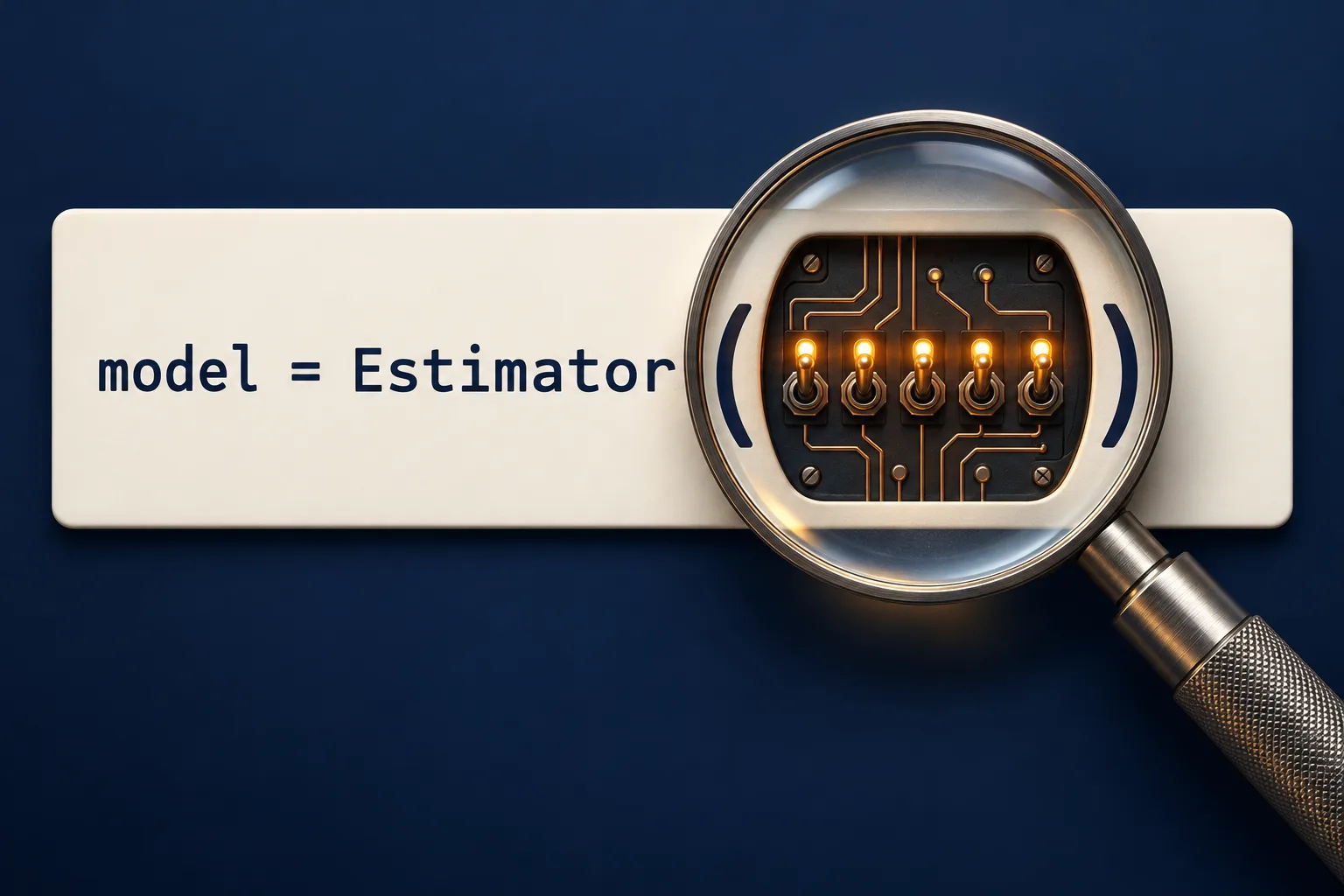
When AI Writes the Code, Do You Trust the Defaults?
AI assistants are remarkably good at writing code, but they don't always question the assumptions baked into the libraries they use. That gap is where subtle errors hide. This piece examines five scikit-learn defaults that deserve a second look before you ship. It's a practical, grounded reminder that trusting the tool isn't the same as understanding it. If you're building for production, this is worth your attention. For broader context on model deployment challenges, our related piece on real-world computer vision offers useful perspective.

From Spreadsheets to AI Assistants: A Principal Scientist's Journey
James Gung, a principal applied scientist at AWS, is opening the floor to questions about building AI services like Amazon Bedrock and Lex. His work spans agent evaluation and conversation simulation, and he's offering a candid look at the day-to-day reality behind those systems. It's a useful chance to separate the substance from the job-title noise. For anyone navigating similar roles, his perspective on interviews and career paths is worth exploring, especially when the AI job market feels muddled.
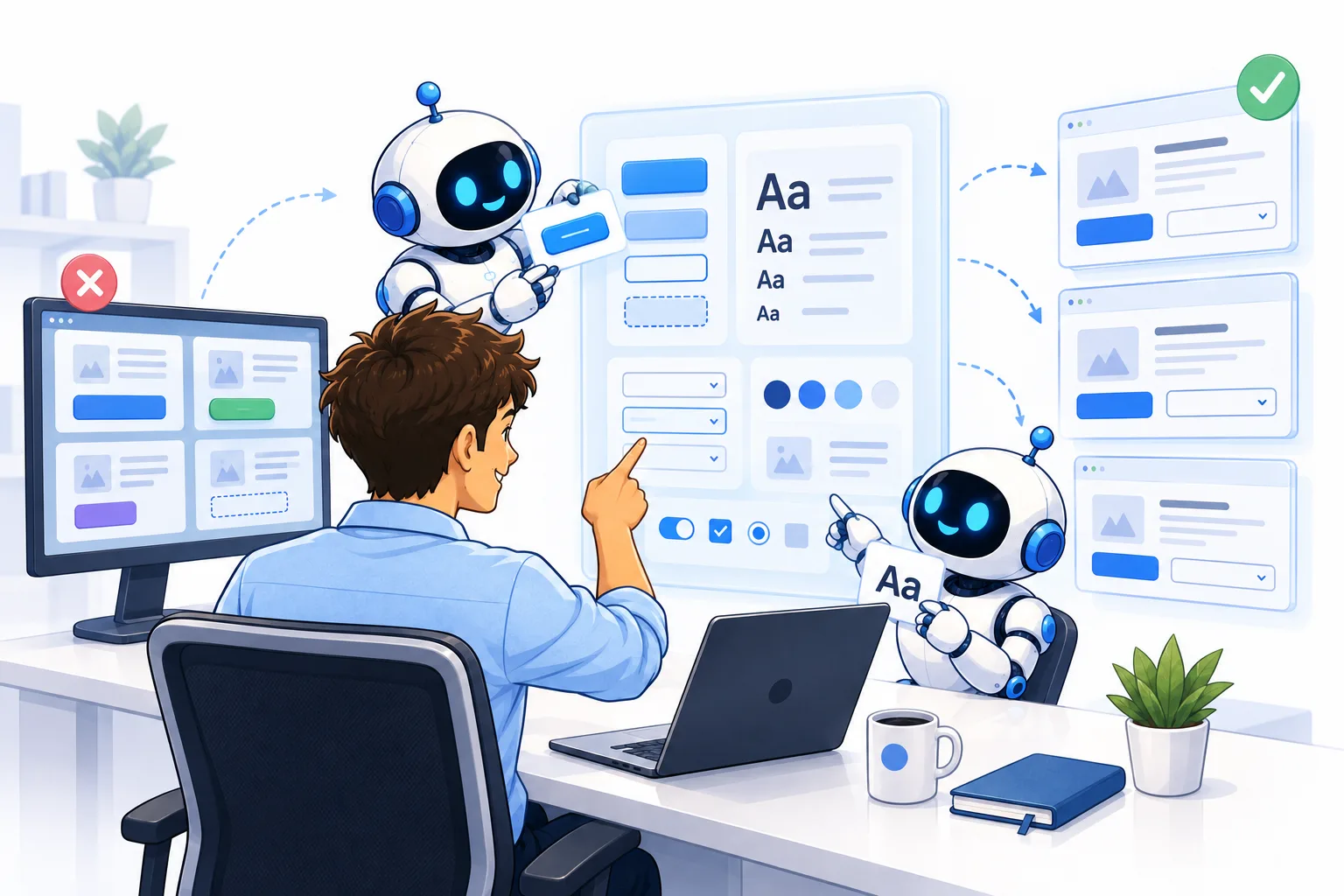
Design with precision using AI to guide your app's visual identity.
Consistent design shouldn't be a happy accident. If you're tired of patching together styles across projects, Claude Code offers a practical path to professional-looking apps without the usual friction. This guide walks through how to build design systems that actually stick, turning messy workflows into something repeatable. It's a smart, accessible approach for teams ready to move beyond manual fixes. For more on applying AI to real-world challenges, explore our piece on computer vision deployments. The takeaway? Consistency is a skill you can code.

Meet your new AI assistant that manages emails, accounts, and tasks for you.
Instinct now lives in your inbox, and that is a bigger step than it sounds. The AI agent can create accounts, reach out to businesses, and handle support requests without you lifting a finger. We like this move because it shifts the assistant from a reactive tool into a proactive operator. It is practical, direct, and genuinely useful. For more on how personal agents are scaling, check out "Meta Accelerates Muse's Growth with Expanded Promotion." The momentum across the space is worth watching.

Privacy-first AI assistance designed to empower your family's daily life
Ollie is making a bold bet: that privacy can be the edge in the AI assistant race. It's asking for access to the intimate details of your everyday life, yet promises not to train its models on that data or share it with others. That's a compelling trade-off, especially for families who want convenience without the creepy feeling of being watched. Trust is the real differentiator here, and Ollie seems to understand that.

Claude now remembers your preferences across every conversation
Claude Cowork no longer makes you repeat yourself. Anthropic is rolling out shared memory across chat and Cowork, so the context you provide in one place carries into the other. That means less time re-explaining project details and more time letting the work flow. It is a practical step toward tools that actually listen. For more on where AI interactions can get complicated, our piece "Talking to My AI Clone Taught Me to Question the Tech" offers a useful counterpoint.

Exploring Instinct's power means understanding the privacy trade-offs.
Early testers are thrilled with what Instinct's AI assistant can do, yet the enthusiasm comes with a serious pause. Its sweeping access and ability to act on users' behalf raise privacy and security questions that feel uncomfortably valid. We're all for tools that empower, but broad terms deserve scrutiny, not blind acceptance. This tension between capability and caution is worth exploring.

Google's new AI tools help students study smarter, not harder
Google's new study tools in Search and Gemini feel like a natural next step, not a flashy leap. The goal is straightforward: make Gemini the assistant students actually reach for when learning gets tough. That means simplifying the complex, which is exactly what thoughtful AI should do. It's a smart move in the ongoing race with OpenAI, and it prioritizes real outcomes over hype. For anyone juggling coursework, this could genuinely lighten the load.

Apple explores multi-million-dollar deals to bring news into Siri.
Apple is reportedly in talks to pay publishers for the right to use their news in Siri, with the WSJ noting a nine-figure budget under consideration. That's a serious commitment to making the assistant a real-time news source, not just a tool for commands. It signals a smart bet on relevance, though the details will matter. For context on how AI agents are courting business users, our piece on Meta bringing its AI helper Muse to small business owners is worth a look.

1 billion conversations show how voice is reshaping data interaction
Google's Gemini app just crossed 1 billion users, and the numbers behind that milestone are worth sitting with. Nearly two-thirds of those people are talking to the assistant directly, using voice rather than typing. That's a signal that conversational interaction is becoming the default, not the novelty. Gemini also generates over 150 million images daily, which shows how deeply creation is woven into the experience. It's a clear sign that AI is moving from background tool to active partner.

Testing Local LLMs Against a 90-Tool Personal Assistant
Twenty-seven production tasks. Two local models. One hardware upgrade. That is the experiment at the heart of this piece, and the results are telling. The question is not whether local AI can match Claude feature-for-feature, but what it truly takes to replace the brain behind a 90-tool personal agent. The answer, unsurprisingly, is nuanced. For anyone questioning their own AI dependencies, this is a grounded, practical read.

When AI builds intent, outdated checkout flows let the sale slip away
A consumer who asks an AI assistant for a product recommendation arrives with intent already settled. They have compared options, asked follow-up questions, and made a decision. Then they hit a checkout process built for someone starting cold. That handoff fails because the commerce stack was never designed to receive intent from an agent. The result is a structural gap, not a UX tweak. Rezolve Ai's research suggests this friction costs brands more than they realize. Fixing it means shifting investment from discovery to execution.

Claude Code gains autonomy to streamline your programming workflow
Anthropic is flipping the default: Claude Code's auto mode is turning on, and that means less hands-on oversight for developers who use it. It's a confident step toward letting AI handle more of the programming grind, and honestly, it feels overdue. We've seen how much headroom smart tooling can free up, and this nudges that further. If you're curious about the human side of leaning on AI, our piece on talking to an AI clone offers a useful counterpoint.

MacPaw brings on-device AI to developers with Liquid models
MacPaw is bringing its AI assistant Eney on-device, tapping Liquid AI's models to give developers in its app store a faster, more private path to inference. It's a practical move that sidesteps cloud dependency while keeping performance local. We see this as a natural step for tools that should feel responsive, not remote. For more on how adaptive systems behave in real settings, our piece "Evolve Your Recommendations: Real-World Insights on Adaptive Systems" offers useful context worth exploring.

Siri catches up, but the AI assistant race has already moved on
Siri finally gets the AI overhaul Apple promised, and it lands with a quiet thud. That's not because the upgrade lacks substance; it's because the bar has moved. A capable assistant now feels like table stakes, not a breakthrough. We've seen this pattern before, where the novelty of talking to an AI fades once you realize what it's really doing. For a deeper look at that unease, our piece on building an AI clone touches on the same tension.
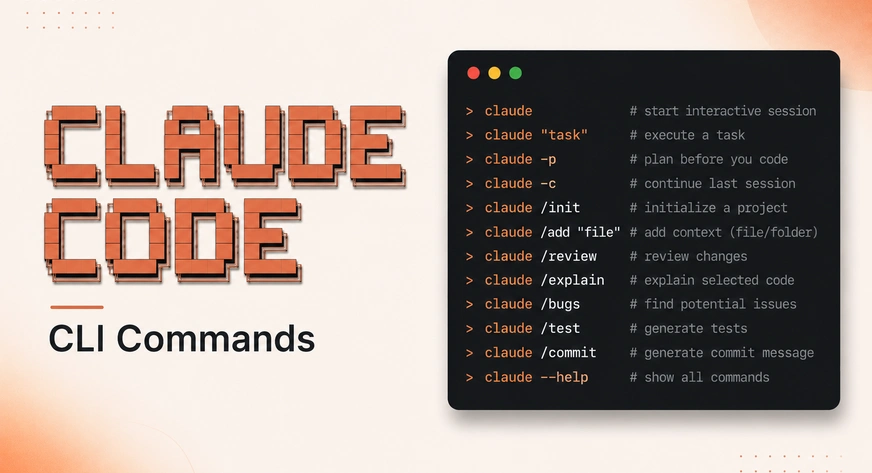
Unlock Hidden Commands to Transform Your CLI Workflow
Months of daily use, and the real power of Claude Code only surfaced by accident. This author kept restarting sessions, re-explaining the same project structure, simply because `claude --help` hides the full picture. It's a familiar frustration, and their discovery of a deeper CLI reference is a practical win for anyone tired of repetitive setup. Digging past the surface reveals a smoother workflow. For more on questioning AI's limits, our piece on talking to an AI clone offers a fitting follow-up.

Discover how an AI assistant can transform your home management experience.
Martha Stewart's new startup, Hint, is putting the "home" in home management by bundling property records, maintenance schedules, and documents into one AI-powered app. It's a straightforward pitch: your house, organized and answered. We like the focus on reducing the chaos that comes with ownership. If you're curious about the limits of interacting with AI personalities, our piece "Talking to My AI Clone Taught Me to Question the Tech" offers a useful counterpoint. For now, Hint feels like a practical step toward calmer households.

Chat with Meta AI directly inside your Threads DMs.
Threads is bringing Meta AI straight into your DMs, giving you a direct line to the assistant without leaving the conversation. It's a practical step toward making AI feel less like a separate tool and more like a natural part of how you connect. For anyone tired of juggling apps, this simplifies the flow. We've also been tracking how Meta's AI agents are evolving, and this move fits that momentum.

Explore how Attie turns social data into answers you can act on.
Attie, Bluesky's AI assistant, now steps beyond simple replies to become an open social research tool. Users can pose questions about news, trends, and conversations unfolding across Bluesky and other AT Protocol apps. It's a practical move toward making network insights more accessible, and we're here for it. If you're curious about the limits of such interactive tech, our piece on talking to an AI clone offers a thoughtful counterpoint. Explore what Attie surfaces, but keep asking sharp questions.