AI engineer
6 stories filed under AI engineer on Beyond Market Intelligence. The newest of them: “Defining harness engineering with three foundational primitives”, “Two Data Roles, One Skillset, Very Different Workdays”, and “Turn Daily AI Courses Into a Clear Path Toward Data Science”. Defining harness engineering requires clearing up the conceptual conflation that surrounds it. Python, APIs, cloud deployment, these skills appear in both forward deployed engineer and AI engineer job descriptions, yet the two roles lead to very different workdays. Acme AI is the next-generation, AI-powered spreadsheet platform built to replace Excel and redefine how analysts, data scientists, and enterprise teams work… The list below is every AI engineer story on Beyond Market Intelligence, newest first.

Defining harness engineering with three foundational primitives
Defining harness engineering requires clearing up the conceptual conflation that surrounds it. This article offers a clear conceptual model, echoed by top data scientists, so we can finally agree on a definition. It introduces three foundational primitives, focusing on the concepts that make great harnesses, not just another agent tutorial. The blunt truth: if you're not building your own harnesses today as a data scientist, you're a target for layoffs.
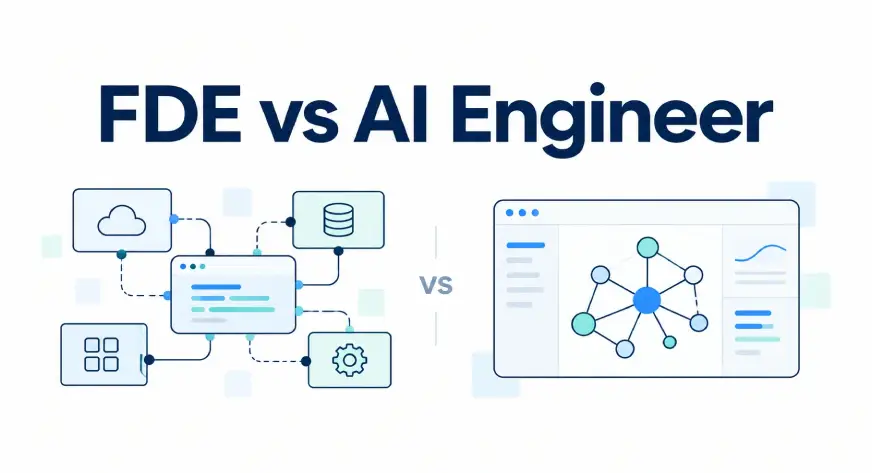
Two Data Roles, One Skillset, Very Different Workdays
Python, APIs, cloud deployment, these skills appear in both forward deployed engineer and AI engineer job descriptions, yet the two roles lead to very different workdays. An FDE might spend the morning tracing a customer's approval process before writing an integration, while a product AI engineer investigates why a model behaves unexpectedly. It's a reminder that identical technical foundations can shape entirely distinct careers. For more on practical AI skills, see our coverage of putting GPT-6.1 Terra's capabilities to the test.
Turn Daily AI Courses Into a Clear Path Toward Data Science
Turning a single course into a daily habit is a solid start, but your note-taking method is creating a bottleneck. Feeding transcripts to AI and transcribing pages of dense notes sounds productive, yet it buries the signal under volume. You need a system built for revision, not just capture. Focus on distilling each lecture into a few core concepts you can explain without looking. That active recall matters more than perfect notebooks.
Decoding 2026's AI Job Titles: What Each Engineer Actually Builds
"Senior AI Engineer" and "Machine Learning Platform Engineer" might appear in the same job posting, yet they build vastly different things. Decoding these titles matters because the gap between them defines your daily work. One role might craft recommendation algorithms; the other designs the infrastructure that runs them. As teams mature, these distinctions sharpen. For a deeper look at how modern systems handle complexity, explore our coverage of OpenTelemetry's Kubernetes telemetry milestone. Know the title, know the build.
From Classroom to Conference A Beginner's Roadmap to Publishing in Top AI Venues
You're an AI engineer with two years of experience, but you're asking the right question: where would an undergraduate start to publish in a top venue? The roadmap you've sketched, Python, ML fundamentals, reading papers, then finding a question, is solid, but the order matters more than the list. Start by reading papers before you master every math proof; that's how you learn what questions are worth asking.
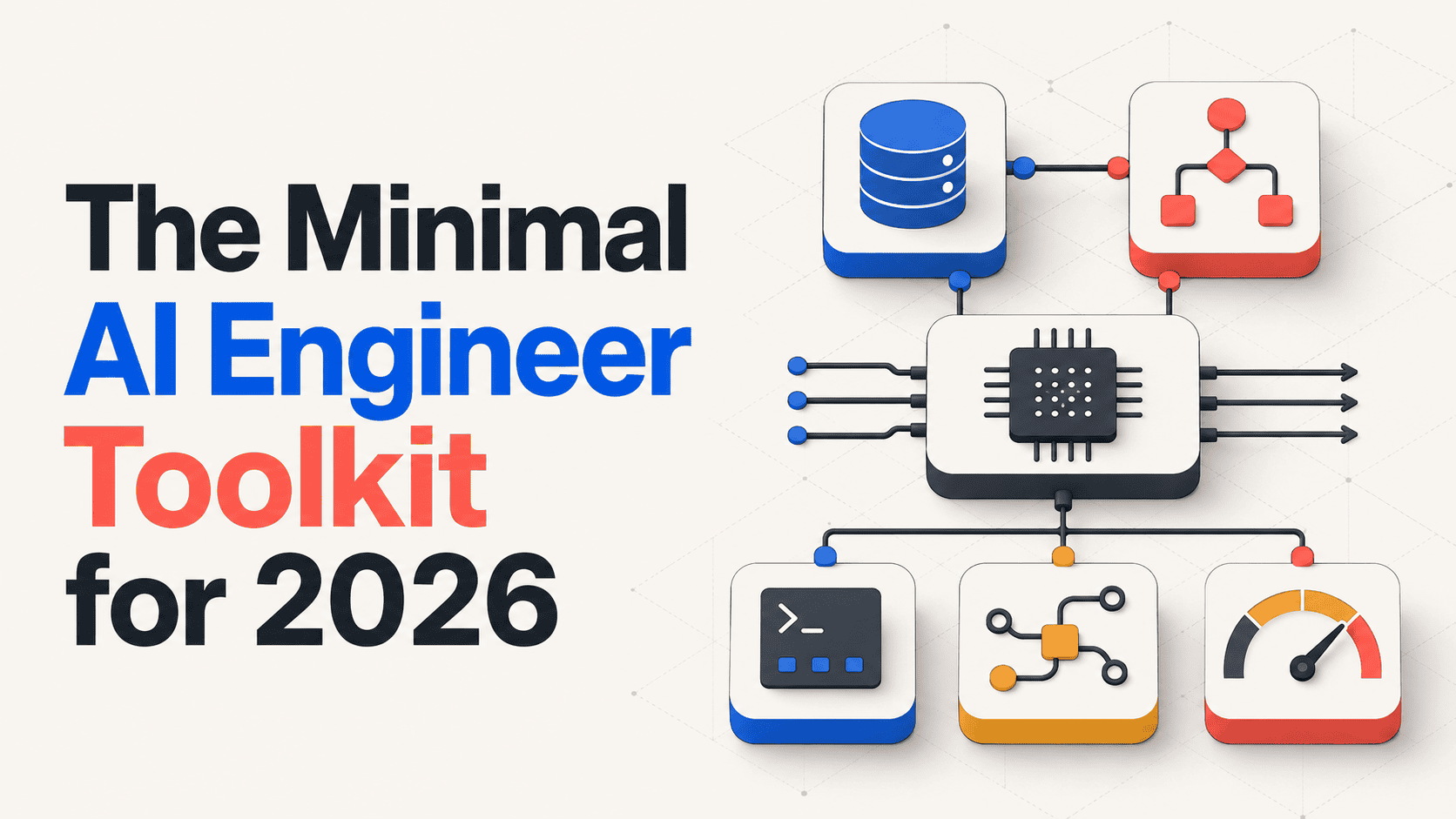
Six Tools to Empower Your AI Engineering Workflow in 2026
Building production-grade autonomous systems in 2026 isn't about hoarding the flashiest tools. It's about choosing a focused set that moves your work forward without the noise. We've identified six essential pieces for AI engineers who want to ship reliable, scalable systems, and we're confident this toolkit strips away the friction. If you're weighing priorities for the year ahead, this is a practical starting point.